18 Living Room Lighting Mistakes That Ruin the Space (and How to Fix Them)
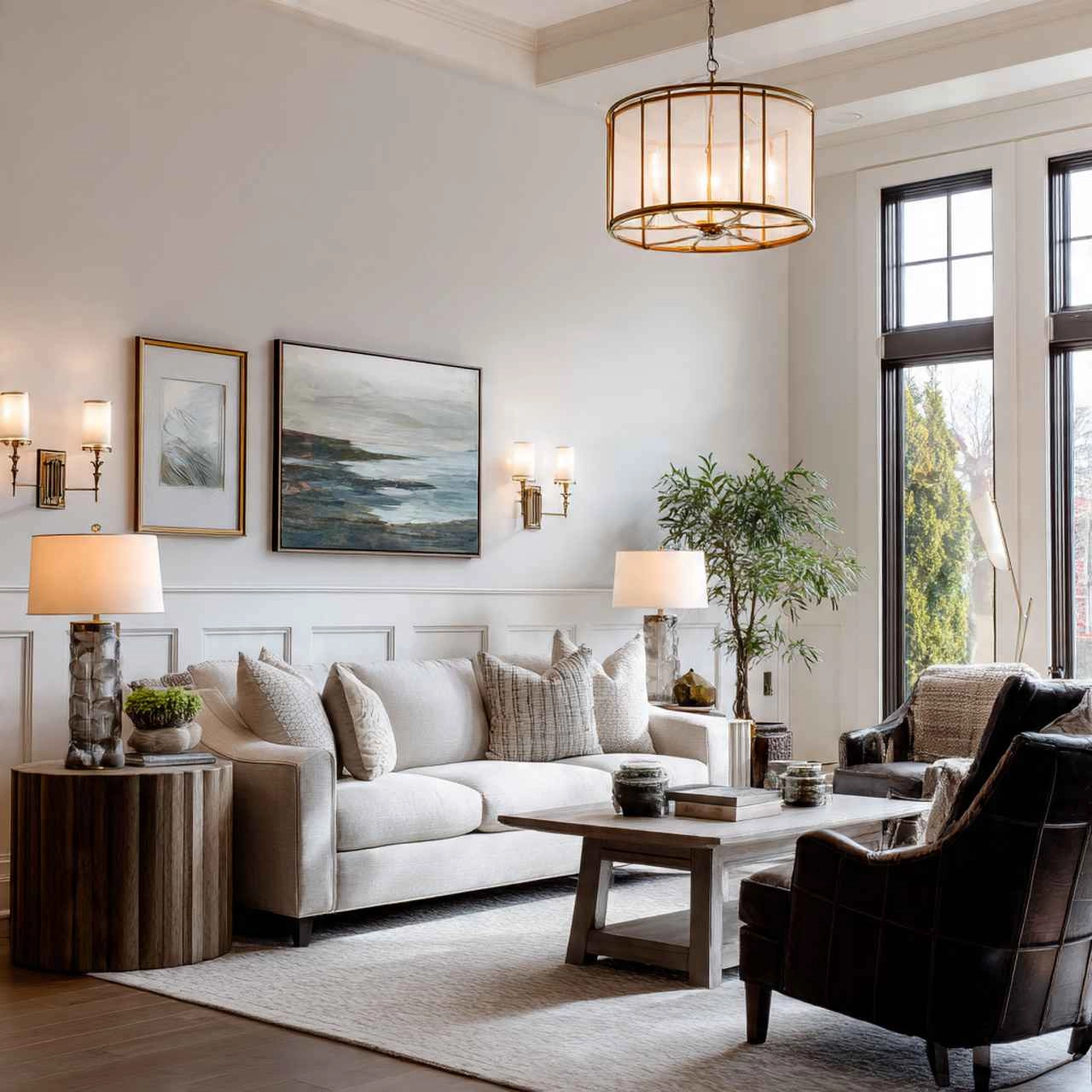
Lighting can either elevate a living room or completely ruin its look, no matter how expensive the furniture is. Many homes suffer from poor lighting choices that make spaces feel dark, flat, or uncomfortable. The good news is that most lighting mistakes are easy to fix once you know what to look for. This guide breaks down the most common living room lighting mistakes and explains how to correct them for a brighter, more balanced space.
18 Living Room Lighting Mistakes That Ruin the Space
1. Relying Only on One Overhead Light
Using a single ceiling light creates harsh shadows and uneven lighting. It makes the room feel flat and uninviting. Living rooms need layered lighting to feel comfortable. Without layers, the space lacks warmth. Always combine overhead lighting with lamps.
2. Ignoring Layered Lighting
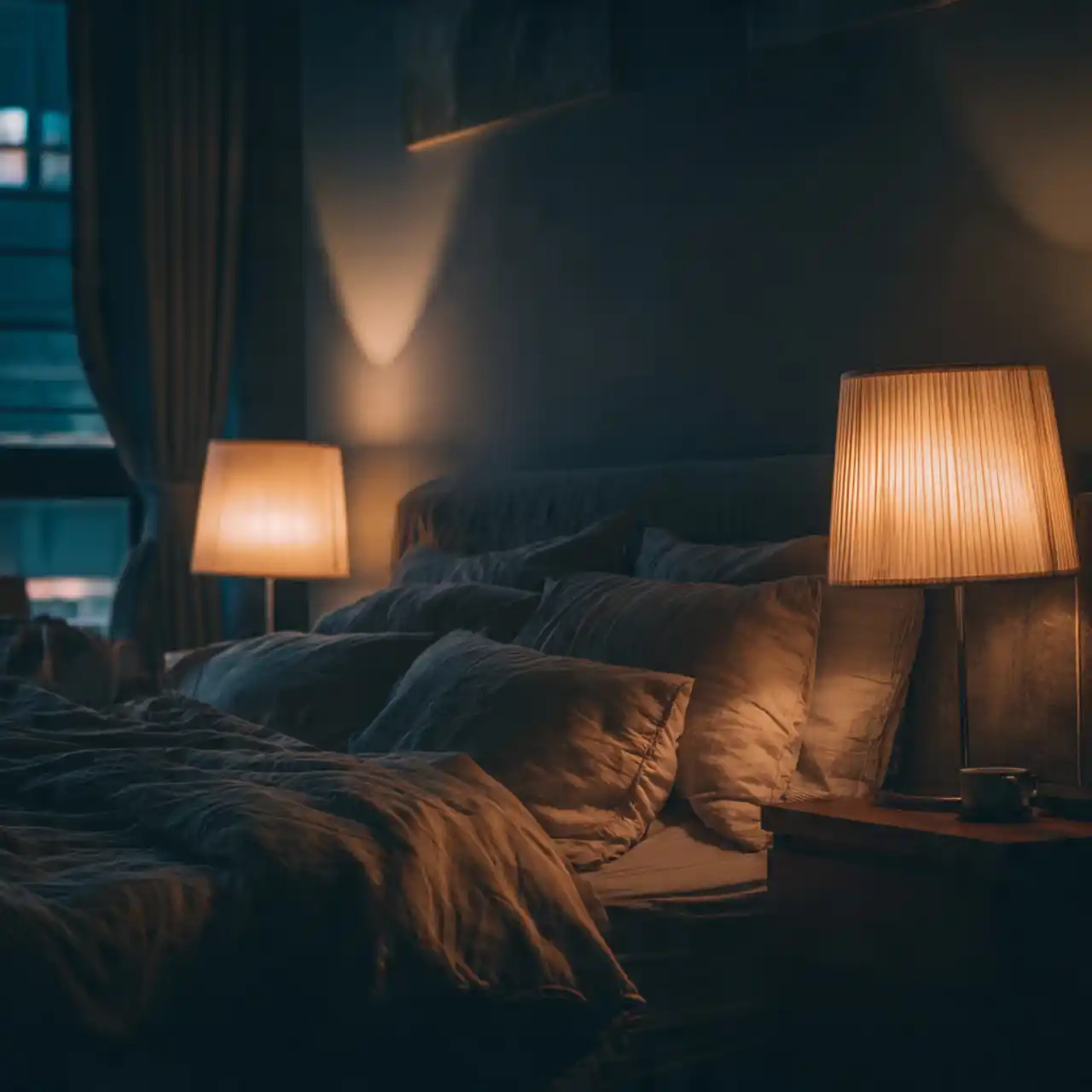
Layered lighting means using ambient, task, and accent lights together. Many living rooms miss one or more layers. This causes lighting to feel incomplete. Layers add depth and flexibility. Proper layering instantly improves comfort.
3. Choosing the Wrong Light Fixture Size
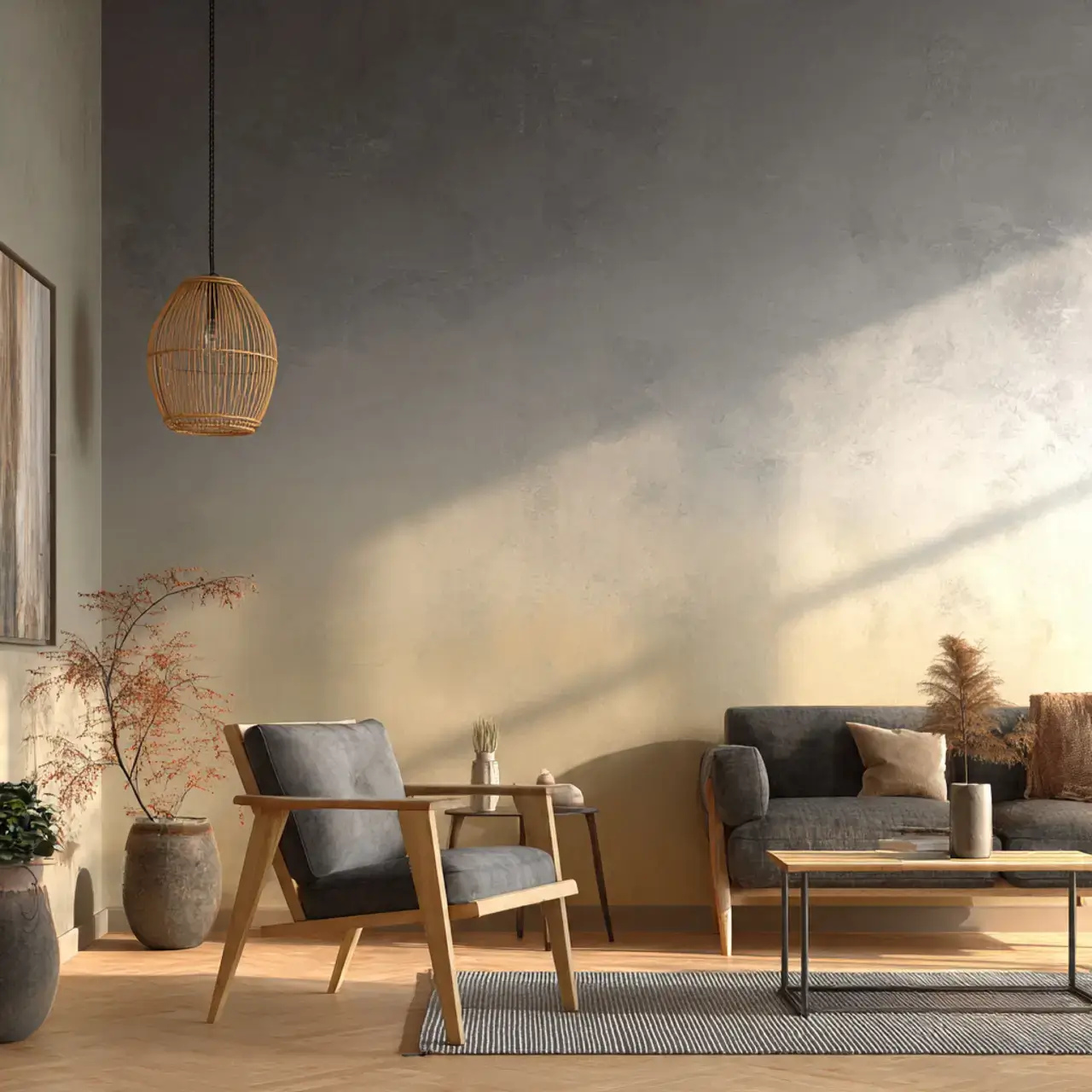
Fixtures that are too small look insignificant. Oversized lights can overwhelm the space. Scale matters more than style. A poorly sized fixture disrupts balance. Always match the fixture size to room dimensions.
4. Using Harsh White Light Bulbs
Cool white bulbs create a sterile, uncomfortable feel. Living rooms need warm lighting. Harsh light washes out colors. It also strains the eyes. Choose warm or soft white bulbs instead.
5. Poor Placement of Floor Lamps
Placing lamps randomly leads to uneven lighting. Lamps should support seating and activity areas. Poor placement creates dark corners. Lighting should feel intentional. Placement matters as much as the lamp itself.
6. Forgetting About Accent Lighting
Accent lighting highlights decor and architecture. Without it, rooms feel flat. Artwork and shelves need dedicated light. Accent lighting adds personality. It creates visual interest.
7. Blocking Natural Light
Heavy curtains or furniture blocking windows reduce brightness. Natural light is essential. Blocking it makes rooms feel smaller. Light-filtering curtains work better. Always maximize daylight.
8. Using Too Many Different Light Styles
Mixing too many fixture styles feels chaotic. Lighting should feel cohesive. Too many designs confuse the eye. Stick to one main style direction. Consistency creates harmony.
9. Not Using Dimmers
Fixed lighting limits flexibility. Dimmers allow mood control. Without them, lighting feels rigid. Dimmers improve comfort instantly. They are one of the easiest upgrades.
10. Overlooking Wall Lighting
Wall sconces add depth and softness. Ignoring them leaves walls flat. They free up floor and table space. Wall lighting adds elegance. Great for small living rooms.
11. Poorly Positioned Recessed Lights
Recessed lights placed randomly create glare. They can cast shadows where you don’t want them. Placement should follow room layout. Bad placement feels harsh. Proper spacing improves balance.
12. Choosing Style Over Function
A beautiful fixture that gives poor light is a mistake. Lighting must serve the space. Style should support function. Poor lighting affects comfort. Balance both carefully.
13. Ignoring Low Ceilings
Low ceilings need special lighting solutions. Hanging fixtures may overwhelm the room. Flush or semi-flush lights work better. Ignoring ceiling height causes visual clutter. Always design for height.
14. No Task Lighting Near Seating
Reading or relaxing areas need focused light. Without task lighting, eye strain increases. Floor or table lamps work best. Task lighting improves usability. Comfort depends on it.
15. Uneven Lighting Distribution
Bright spots and dark corners feel unbalanced. Lighting should be evenly spread. Uneven lighting makes rooms uncomfortable. Balance improves flow. Every area should feel usable.
16. Forgetting About Bulb Color Consistency
Mixing bulb colors creates visual chaos. Warm and cool bulbs clash. Consistency keeps lighting cohesive. One color temperature works best. Simple fix, big impact.
17. Overlooking Energy Efficiency
Old bulbs waste energy and money. LED lighting is efficient and long-lasting. Ignoring efficiency increases costs. Modern LEDs offer great quality. Better for long-term use.
18. Not Updating Old Fixtures
Outdated fixtures age the entire room. Even small updates refresh the space. Old designs feel heavy. Modern fixtures improve style instantly. Lighting updates are high-impact.
Final Thoughts
Lighting mistakes are common, but they’re also easy to fix. With proper layering, warm bulbs, and thoughtful placement, any living room can feel brighter and more welcoming. Focus on balance, function, and comfort rather than trends alone. Good lighting makes every other decor choice look better.