19 Patio Paver Ideas + Paver Patio Ideas Layout That Make Small Spaces Look Bigger You’Ll Love
There’s nothing like a welcoming patio to turn a tiny outdoor corner into your favorite room of the house. If your space feels cramped, you don’t need a magic wand—just clever paver ideas and a few layout tweaks. Here are 19 patio paver ideas plus layout tricks that make small spaces feel bigger, plus some practical tips to pull it off without breaking the bank.
1. Light-Colored Pavers That Reflect, Not Absorb
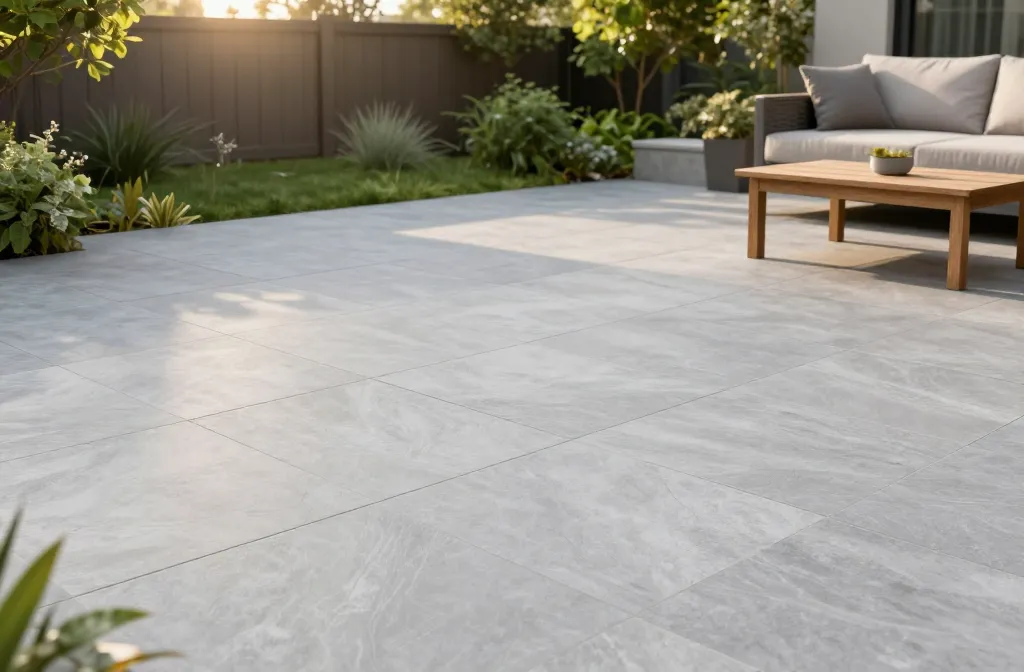
Bright, pale tones bounce sunlight around, instantly creating the illusion of more space. Think ivory, light gray, or warm tan. If you’re worried about stains, sealers help—but don’t overdo the glossy finish or you’ll得到 glare off the ceiling. FYI: matte or satin finishes hide dirt better and still look spacious.
2. Large-Format Pavers for a Seamless Look
Smaller pavers can break up a small area and read busy. Large-format pavers create a continuous surface that feels more open. If you’ve got a tight width, use 24×24 or 24×36 inches as a starting point. Pro tip: fewer joints = more air between the ground and your eye.
3. Diagonal Patterns for Dynamic Vibes
A diagonal layout can add movement and make narrow patios feel longer. Don’t overthink it—just lay the pavers at a 45-degree angle to the edges. It’s bold, but not chaotic. If you’re worried about cutting waste, plan a simple, repeatable tile pattern that minimizes off-cuts.
4. Herringbone for Classic Charm
Herringbone looks fancy without trying too hard. It adds texture and interest while guiding the eye along the space. If you’ve got a tight budget, use it as an accent in a small area (like a seating zone) rather than across the entire patio.
5. Perimeter Borders to Frame the Space
A clean border defines the patio edge and keeps the area feeling intentional. Use a contrasting color or texture for the border, but keep it slim to avoid visually shrinking the space. Borders act like picture frames for your outdoor room.
6. Multi-Level Layouts Create Depth
Even a step or two can carve out distinct zones—dining, lounging, and greenery. Elevation changes distract from the size and create the perception of breadth. Just make sure your transitions are smooth and safe for foot traffic.
7. Floating Decks or Raised Areas
A small raised deck near the house can visually separate the space and make the patio feel larger by contrast. Use the same paver family for cohesion, but vary the finish or add a different texture on the top to create a subtle distinction.
8. Incorporate Narrow Side Pathways
A slender walk path around the edge of the patio can make the center feel bigger by providing visual corridor. Use a lighter shade or smaller pavers to keep the path understated but effective.
9. Inlay Patterns for a Surprise Element
Tiny inlays—like a geometric star or a compass—draw the eye and create focal points without clutter. Keep the main surface simple and reserve the bold pattern for a small section.
10. Textured Surfaces with Subtle Contrast
Texture adds interest without shrinking the space. A brushed, lightly textured surface reflects light differently than a smooth finish, adding depth. Pair it with a softer color to keep the palette airy.
11. Grass-Edge or Gravel Accents
Soft edges soften hardscape lines and give the illusion of more breathing room. A narrow strip of lawn or rounded gravel between pavers mimics nothing-else-but-nature, which reads as roomy.
12. Planter Nooks as Visual Breaks
Built-in planters or compact trough planters along the edge add greenery without crowding the core area. Greenery reflects light and creates vertical interest, drawing the eye upward instead of inward.
13. Recessed Lighting for Nighttime Perception
Strategic lighting makes the space feel larger by extending the usable hours and reducing harsh shadows. Use warm lighting and place it under edges or steps to guide the eye.
14. Seated Nooks with Slim Profiles
Low-profile benches built into the planters or along the edge free up floor space, making the center feel more open. Choose benches with storage to double down on function.
15. Mixed Heights with Planters
Tall planters paired with low ones create layers that trick the eye into thinking there’s more room. Use color blocking to keep the look cohesive, not chaotic.
16. Reflective Elements to Add Airiness
A small water feature, glass-tiber mirror panels, or glossy pots can bounce light around and give the illusion of depth. Just don’t overdo the reflections or you’ll get glare and a dizzying effect.
17. Paver Shapes with Subtle Curves
Straight edges feel orderly; gentle curves soften lines and widen the feel of the space. Use curved corners on a seating area or a curved border to guide movement gracefully.
18. Color-Blocked Zones to Define Use
Use two complementary paver colors to split a small patio into zones—dining vs. lounging—without walls. Limit to two colors to keep it calm and visually roomy.
19. Smart Materials: Porcelain, Concrete, or Stone Alternatives
Porcelain pavers come in big formats and low maintenance, making them a favorite for compact spaces. Concrete is budget-friendly and versatile, while natural stone adds character. Pick finishes that resist slipping when damp and stay within your color story.
Subsection: Mixing Patterns Without Clash
If you’re tempted to mix patterns (diagonal with herringbone, for example), keep a tight leash. Choose one dominant pattern and tuck a secondary one into a niche, like a seating edge. Balance is your best friend here.
Subsection: Practical Sizing Tips
– Measure your space in increments and map out a couple of pattern options on graph paper (or a simple app).
– Leave 2–3 mm gaps between pavers for drainage and contraction—don’t try to jam them tight.
– If you’re unsure about cutting waste, buy 10–15% extra and store it for future tweaks.
FAQ
What’s the best color for making a small patio feel larger?
Light, cool tones reflect more light and visually expand the space. Aim for pale grays, creams, or soft beiges. If you love contrast, use a light base with a darker border to frame the area.
Do large-format pavers really make a space look bigger?
Yes. Fewer joints create a smoother plane, which the eye reads as more expansive. Just ensure the surface isn’t too slippery when wet and that it fits the scale of your patio.
How can I add depth without adding clutter?
Use a multi-level layout or a single bold focal point—like a fire pit or water feature—paired with simple planters. Keep furniture low-profile and choose a restrained color palette to avoid busyness.
Is it worth adding lighting for a small patio?
Absolutely. Lighting extends usable hours, highlights textures, and reduces harsh shadows that shrink the space. Layer lighting from different sources: ceiling or string lights, wall washers, and path lighting.
What maintenance should I expect with pavers?
Most pavers require occasional cleaning and re-sanding of joints to keep them stable. Sealers can help stain resistance and color longevity, but follow manufacturer guidance to avoid trapping moisture.
Conclusion
Small patios don’t have to feel like second-rate spaces. With the right paver choices—light colors, large formats, smart patterns—and thoughtful layouts, you can craft an outdoor room that feels twice as big. Mix in a touch of greenery, careful lighting, and deliberate zoning, and your compact hideaway becomes a backyard oasis you’ll actually want to use. IMO, the best part? You don’t need a dream budget to pull this off—just a little planning, a dash of daring, and a willingness to swap in a few different paver options until it clicks. FYI: start with one bold idea, then layer in the rest as you go.