23 Small Room Makeover Ideas That Completely Transform Your Space: Tiny, Big Impact
You don’t need a big budget to punch above your weight when you’re decorating a small room. A few smart swaps, a dash of creativity, and you’ll wonder why you waited so long to try these ideas. Let’s make a cozy space that feels bigger, brighter, and completely you.
1) Mirror magic: double the light, halve the clutter
A mirror is the MVP of tiny spaces. It reflects light, creates depth, and skims the edge of chaos by bouncing between wall colors and furniture.
– Pick a bold, statement frame or an oversized, frameless mirror to act as a window you don’t have.
– Place it across from a light source or near a window to maximize glow.
– Don’t go overboard—one big mirror beats three small ones cluttering the wall.
Subtle tricks for maximum impact
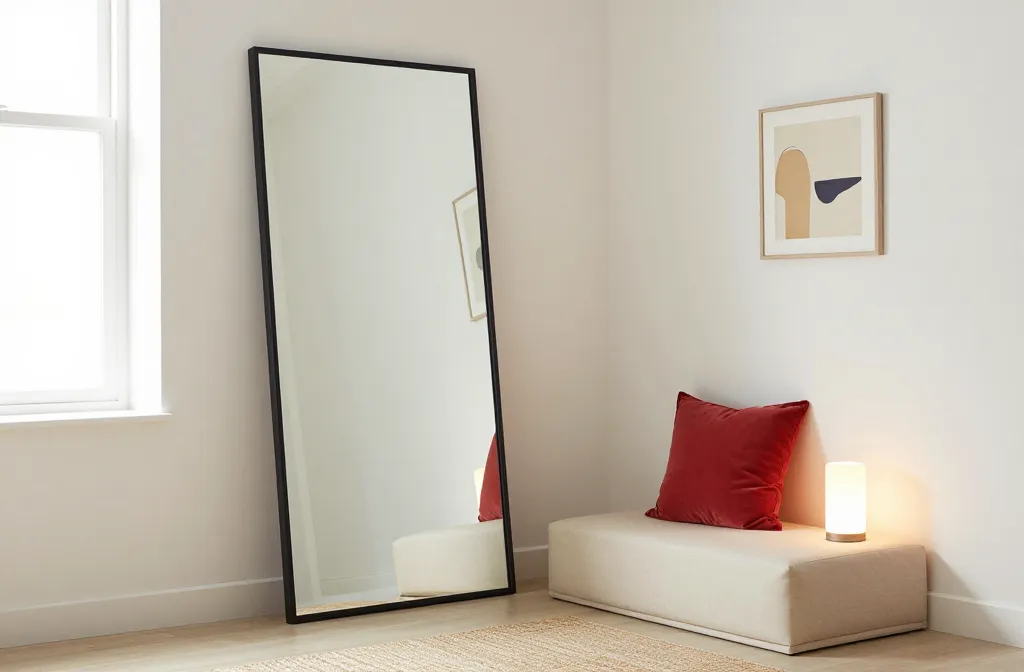
– Lean a large mirror against a wall instead of hanging it. It feels effortless and chic.
– Pair with a light color palette to amplify the reflection.
2) Color strategy: light, bright, and deliberately compact
Color can make a room feel airier or cocooned. For small rooms, the trick is to use a cohesive palette with strategic pops.
– Start with a light base: whites, soft beiges, or cool pastels.
– Add one or two bold accents to keep the eye moving—think a vivid throw pillow, lamp, or artwork.
– Use the same undertone across walls and furniture to avoid jarring contrasts that slice the space.
How to pick your accent colors
– If you want calm: go with blue-greens and warm whites.
– If you crave energy: sprinkle coral or mustard in small doses.
– FYI: avoid clashing undertones (cool gray walls with warm wood furniture can feel off).
3) Multifunction furniture that earns its keep
In a small room, furniture should work as hard as you do. Look for pieces that serve more than one purpose.
– Storage ottomans and benches double as seating and hidden drawers.
– A lift-top coffee table reveals storage space underneath.
– Wall-mounted desks and fold-away tables free up floor space without sacrificing function.
Smart spacing tips
– Choose leggy furniture to reveal floor space, which visually expands the room.
– Float a few pieces away from walls to create a natural breathing room zone.
4) Lighting that shapes the room
Nice lighting changes everything. Layered lighting makes a small space feel intentional, not cramped.
– Combine ambient, task, and accent lighting. A ceiling fixture, a floor lamp, and a table lamp cover all the bases.
– Use warm bulbs (around 2700-3000K) for a cozy vibe; cool tones can feel clinical in tiny rooms.
– Consider wall sconces instead of floor lamps to save floor real estate and free up table space.
Creative lighting ideas
– Install a dimmer switch so you can switch moods as easily as you switch playlists.
– Try LED strip lights under shelves for a futuristic-but-not-crazy glow.
5) Smart wall storage: shelves that don’t shout “storage space”
Shelving is a small-room bestie when it looks intentional rather than chaotic.
– Floating shelves give you vertical storage without a bulky bookcase.
– A tall, slender bookcase draws the eye upward, creating the illusion of higher ceilings.
– Use decorative baskets and boxes to corral odds and ends.
Organizational wins
– Group items by color or texture to create a cohesive gallery vibe.
– Leave some negative space on shelves—it prevents the room from feeling crowded.
6) Textiles with purpose: texture, not bulk
Textiles add warmth and personality, especially in a compact space where hard surfaces can feel cold.
– Choose a monochrome palette for throws, pillows, and rugs with varying textures (knit, velvet, linen).
– A rug can anchor a seating area, but size matters: go for a rug that fits under the front legs of all major furniture to unify the space.
– layering blankets adds coziness without adding visual weight.
Texture ideas you’ll actually use
– A velvet cushion in a slightly contrasting color makes a small pop without overpowering the room.
– A jute or sisal rug adds warmth and a natural element that lightens the vibe.
7) Gallery wall that feels curated, not chaotic
Small spaces benefit from a curated display rather than a free-for-all. The trick is cohesion and rhythm.
– Pick a unifying theme or color family for frames and art.
– Mix sizes but maintain a rhythm—start with a central anchor piece and build out.
– Consider slim frames to keep the overall footprint low.
How to hang like a pro
– Use a single long rail or wire so you can rearrange without extra holes.
– Keep key pieces at eye level; let the rest breathe around them.
8) Drop zones that actually help you leave the room in under a minute
A small room benefits from a practical entry or transition area that reduces daily chaos.
– Create a tiny drop zone by the door with a slim coat rack, a wall-mounted shelf, and a shallow basket for keys and mail.
– Use a narrow console or floating shelf to keep essentials visible but out of the way.
Where to place it
– Near the entrance for convenience.
– Consider a pocket door or a cleverly placed curtain if you’re notoriously forgetful about clutter.
9) Minimalism with personality: the art of intentional emptiness
Small rooms scream “confident restraint” when you prune ruthlessly. Less stuff means more vibe.
– Decide what truly serves the space and what doesn’t. If you don’t love it, it doesn’t belong.
– Rotate a small set of decor pieces seasonally to keep things fresh without crowding.
A quick declutter checklist
– Remove one item for every new purchase.
– Store seasonal decor in a hidden container under the bed or in a slim box.
– Purge duplicates: you probably don’t need three identical vases.
10) Plants: tiny greens, big impact
Plants bring life, color, and a bit of humidity control to a micro room.
– Choose compact varieties: pothos, ZZ plants, or succulents that love low light.
– Use wall-mounted planters or a slim, freestanding plant stand to save shelf space.
– Group a few plants together for a mini indoor jungle.
Planting tips
– Match pot sizes to plant needs; don’t cram a big pot in a tiny corner just for looks.
– Rotate plants occasionally so none get left in the shadows.
11) Budget-friendly upgrades that feel premium
You don’t need a renovation to feel luxe. Small tweaks go a long way.
– Swap hardware: new drawer pulls and cabinet handles can refresh a kitchen or dresser.
– Upgrade curtains or blinds to control light and add texture.
– Fresh paint on an accent wall or the back of a cabinet can transform the entire vibe.
Frugal but fancy ideas
– Peel-and-stick wallpaper on a single feature wall for drama without commitment.
– A mirror-topped sideboard doubles as a chic display and storage.
FAQ
Will light colors make my small room feel bigger?
Yes, typically. Light colors reflect more light, creating a sense of openness. Pair them with strategic pops of color to keep energy up.
Is it okay to mix metals in a tiny space?
Absolutely. A little variety keeps things interesting. Just pick two to three metal finishes and tie them together with textiles and hardware that share undertones.
What’s the single best upgrade for a small room on a budget?
A large, well-placed mirror. It amplifies light and depth, making the space feel larger without remodeling or heavy investments.
How do I avoid clutter after a makeover?
Create dedicated zones with specific uses and store items vertically. Regularly edit decor and keep only what sparks joy or serves a purpose.
Can I DIY all these ideas even if I’m not crafty?
Yes. Start small with a single project like a floating shelf install or swapping hardware. Then gradually layer in more as you gain confidence. FYI, progress beats perfection.
Conclusion
Small rooms aren’t a limitation; they’re a design playground. With smart storage, thoughtful lighting, and a dash of personality, you can transform a cramped square into a room that feels bigger, brighter, and truly yours. So go ahead—pick one or two ideas, test them out, and enjoy the fresh, lived-in vibe. You’ve got this, and your space will thank you.
![13 Cheap Ways to Block Neighbors View [Enjoy Your Full Privacy!] Unveil Hidden Corners](https://innovativedesign1.com/wp-content/uploads/2026/04/temp_1777139379960.webp)