
9 Mosquito Repellent Plants That Keep Bugs Away Without Harming Dogs

Want a bite-free yard you can actually enjoy with your pup by your side?
These plant choices are safe for dogs and surprisingly effective, so you can relax outside without worrying about chemical sprays.
Stick with me and you’ll discover easy picks, practical tips, and quick care hacks to keep your patio happy and buzzing-free.
1. Lemongrass Lightning Bolts That Chase Mosquitoes

Lemongrass smells like a sunny afternoon and doubles as a tasty garnish for summer meals. It also acts as a natural bug repellent when crushed or brushed against your skin.
Why it matters: mosquitoes hate the strong citrus scent, and lemongrass brings that power into your yard without harsh chemicals.
When to use: plant near entryways or along pathways to form a fragrant barrier. FYI, you can crush a leaf to release the scent for quick repels.
Key Points
- Grows best in sunny spots with good drainage
- Can reach up to 3 feet tall indoors or outdoors
- Leaves release scent when brushed or bruised
Benefits: easy to grow, edible leaves for tea or recipes, and a steady citrus aroma that bugs dislike. Applications range from planters to herb gardens.
2. Lavender: Purple Calm That Mosquitoes Hate
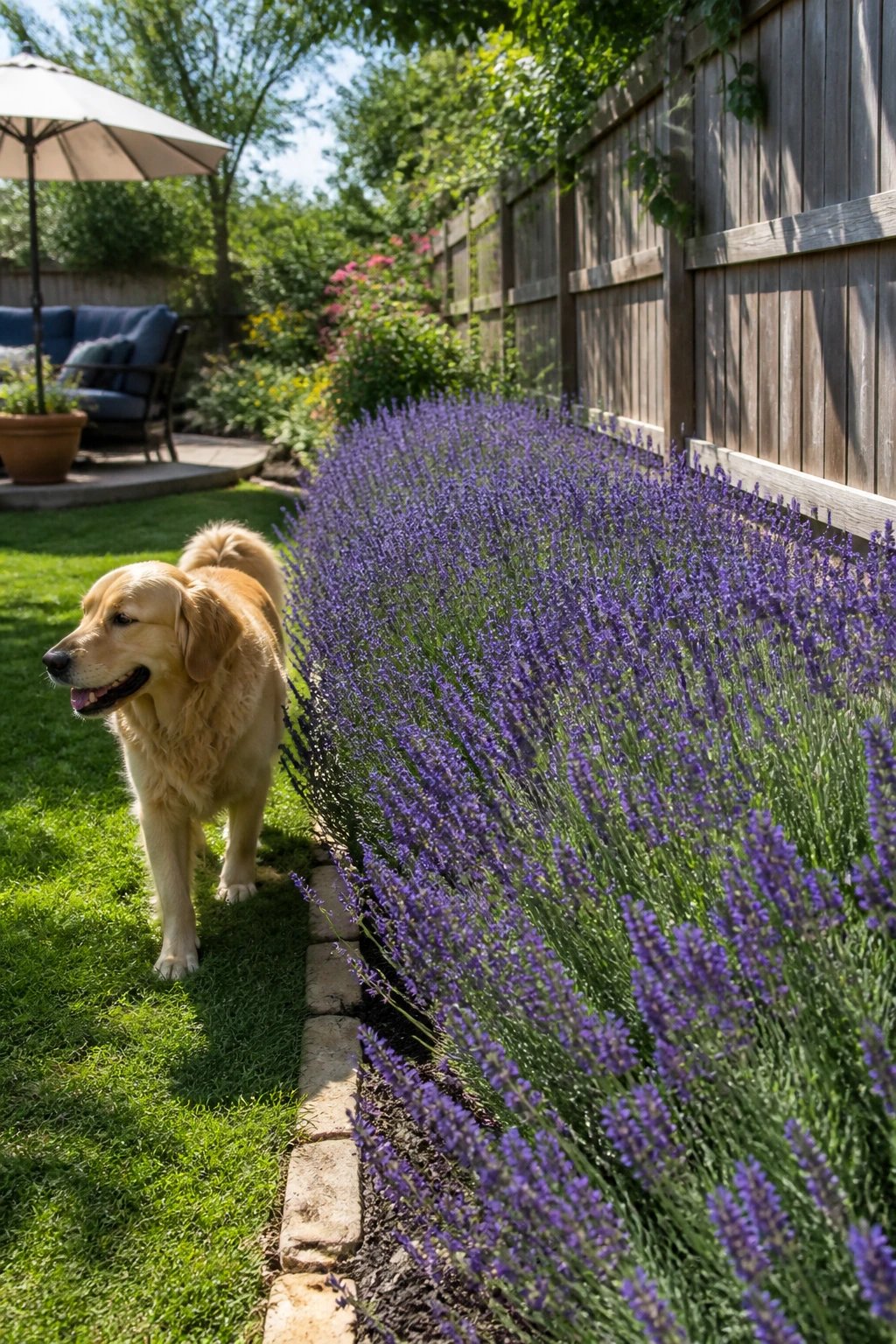
Lavender isn’t just pretty to look at; its scent confuses and deters many flying pests. Dogs generally tolerate lavender when used in moderation.
Why it matters: lavender creates a soothing garden vibe while offering a defensive aroma that mosquitoes avoid.
How to use: plant groups along fences or entry points to create a scented barrier you can enjoy while your pup roams.
Tips
- Choose compact varieties for smaller spaces
- Flowers attract beneficial pollinators, so your yard stays lively
- Bud and leaf crush releases stronger scent for quick repellence
Note: watch for overwatering and ensure good drainage to keep the plant healthy and fragrant.
3. Citronella Grass: The Classic But Keep It Dog-Friendly
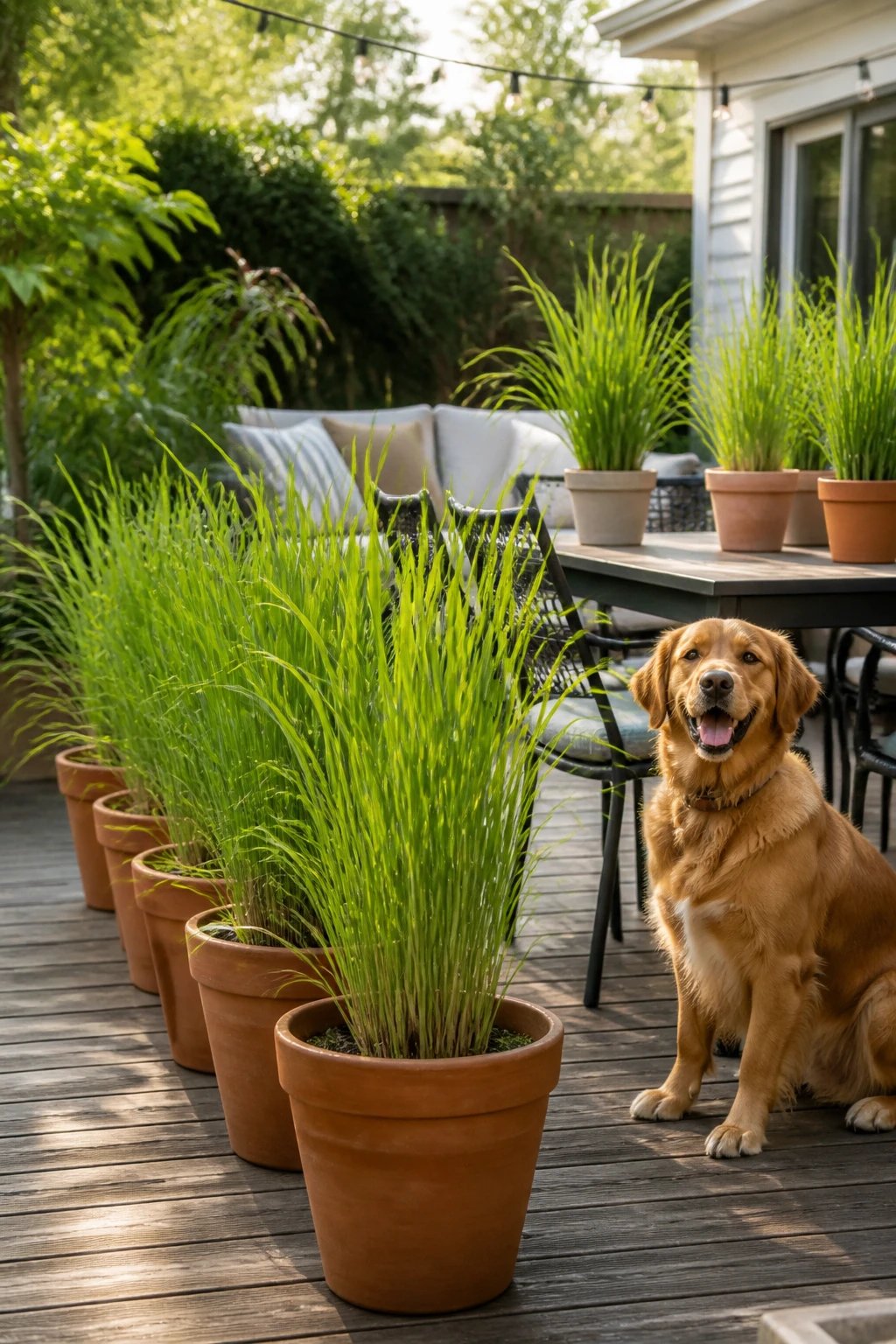
Citronella is a mosquito staple, but many people worry about safety. When kept as potted plants with careful placement, citronella can be a dog friendly option.
Why it matters: it releases oils that mosquitoes dislike, providing a repeated line of defense around walkways and seating areas.
Where to place: near patios, decks, and outdoor dining spaces to maximize the scent while you enjoy time outside with your dog.
Notes
- Best in warm climates or sunny windowsills
- Use as a decorative hedge or container plant
- Monitor for drying out in hot weather
Benefit takeaway: easy to snack-proofing plan for outdoor living and a reliable mosquito shield during peak season.
4. Basil: More Than Pasta, A Mosquito Barrier
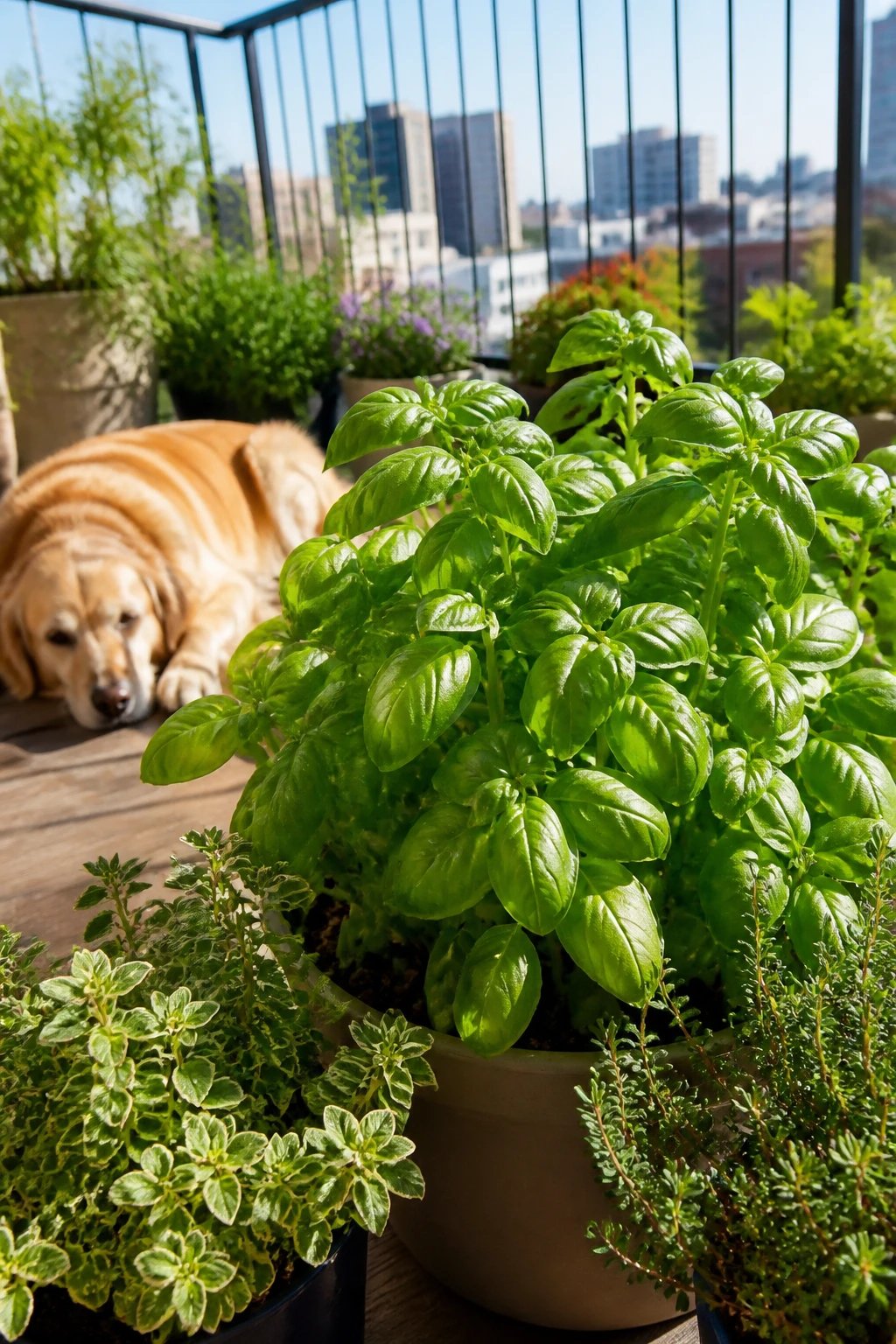
Basil leaves pack a punch when crushed and release a strong scent that mosquitoes avoid. It also doubles as a fresh herb for cooking.
Why it matters: you get two wins in one plant — aroma for pests and flavor for meals.
Best practice: keep basil in sunny windows or sunny balconies that your dog can safely access outdoors under supervision.
Practical Tips
- Pinch back flowering tops to prolong leaf production
- Grow in containers near seating areas for quick scent boost
- Pair with oregano or thyme for a layered herb border
End note: basil oil and crushed leaves provide a quick repellence boost without synthetic sprays.
5. Peppermint: Fresh Scent That Sends Mosquitoes Running
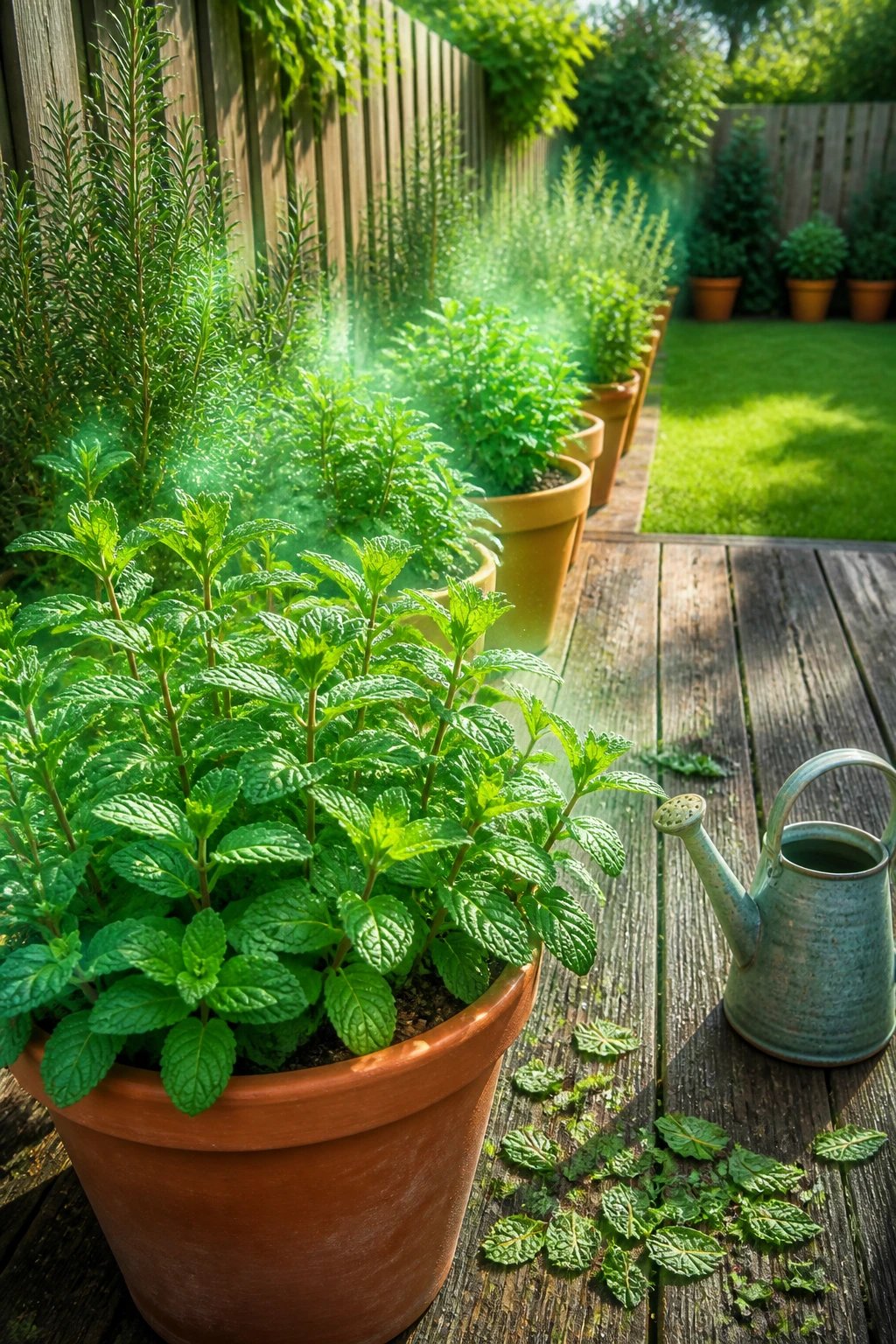
Peppermint delivers a minty blast that mosquitoes prefer to avoid. It’s also a favorite for dogs when used in moderation due to its cooling properties.
Why it matters: strong minty oils confuse mosquitoes and can slow their approach toward your lounging spots.
How to use: plant in pots along the fence line or at the corners of a deck to create a peppermint barrier.
Notes
- Grows aggressively, so contain with barriers
- Use crushed leaves to refresh scent in air
- Combine with rosemary for a scent-rich border
Benefits: easy to multiply, fast to fill space, and a versatile addition to herb gardens or container setups.
6. Rosemary: Woody Shield Against Buzzing Intruders

Rosemary has a woody aroma that many bugs just do not want to be near. It also looks fantastic in any garden corner or balcony planters.
Why it matters: its strong evergreen scent can create an invisible fence around your favorite outdoor lounging areas.
Placement ideas: place rosemary near entry doors, patios, or on the sunny edge of a garden bed to maximize scent release when brushed by passersby.
Tips
- Dry climate lovers thrive in warm zones
- Prune regularly to maintain compact growth
- Combine with thyme for a robust scent profile
Bottom line: rosemary is not just for cooking you get a natural pest barrier without harming dogs.
7. Garlic Chives: Subtle Garlic Scent That Doesn’t Tax Your Nose
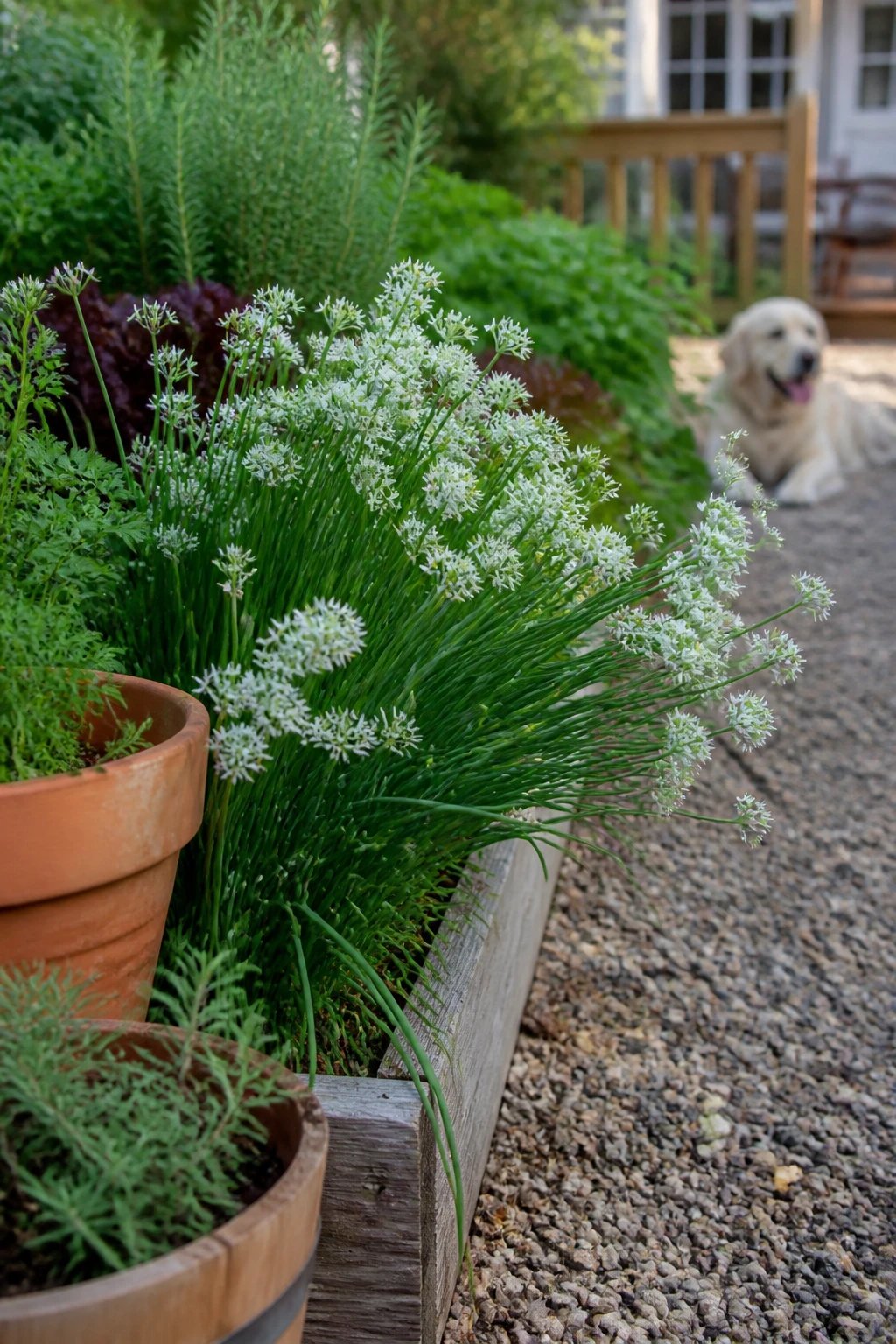
Garlic chives offer a gentle garlic note that keeps mosquitoes at bay while blending into a culinary herb patch. They’re safe for dogs when used primarily as scent providers and not consumed in large raw quantities by pets.
Why it matters: their scent lingers in the air and along the soil line, forming a breezy shield around your yard.
Where to plant: along borders of raised beds or in container mixes with other herbs for a fragrant, edible border.
Elements
- Hardy and low maintenance
- Edible leaves add flavor to meals
- Fluffy white flowers attract pollinators
Benefits: dual purpose plant that supports both pest defense and kitchen needs.
8. Catnip: Not Just for Cats, A Mosquito Repellent Bonus
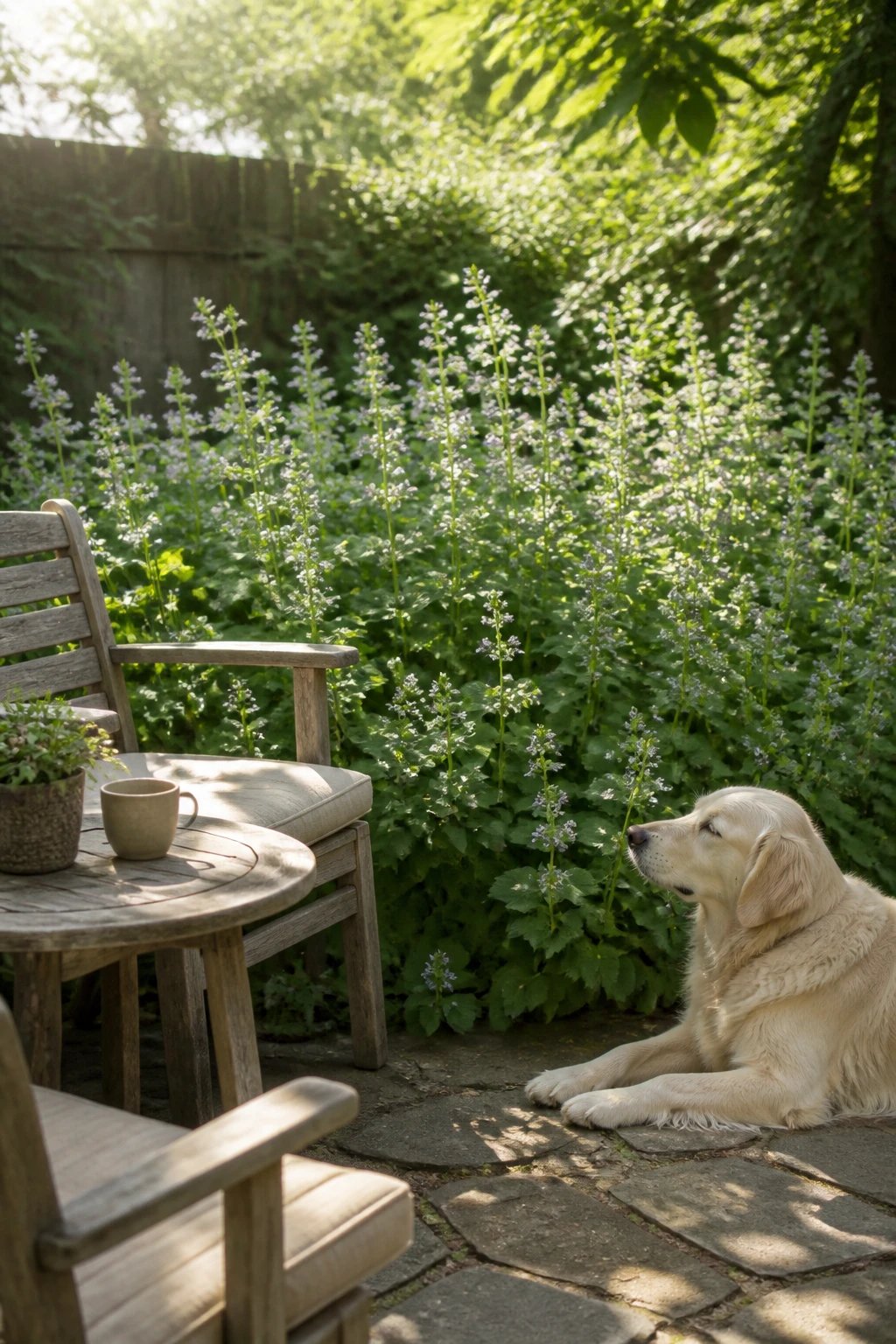
Catnip is known for entertaining cats, but its oil is exceptionally effective against mosquitoes. It is generally safe for dogs in small amounts and can be contained in beds or pots where your dog won’t chew on it aggressively.
Why it matters: catnip is one of the most potent natural repellents and can be used to create a localized protection zone around seating areas.
How to deploy: plant in sheltered spots where it receives morning sun and rolling breeze for scent diffusion.
Tips
- Prune to keep it from becoming unruly
- Combine with lavender for a calming garden vibe
- Harvest leaves for DIY sachets or sachets for windowsills
Note: monitor pets and avoid overconsumption by your dog and ensure catnip doesn’t become a chew toy to nibble excessively.
9. Lemongrass, Minty Drift — The Duo That Delivers Double Protection

This final entry blends lemony lemongrass with a minty partner to form a robust barrier that mosquitoes hate and dogs appreciate for its fresh scent.
Why it matters: layering scents in one plant pair creates a more complex fragrance that helps reduce bug pressure across your outdoor space.
How to implement: plant in a sunny bed with good drainage and rotate its companion plants for ongoing fragrance diversity.
Key Points
- Place near seating areas to maximize exposure
- Replace dead plants promptly to maintain scent continuity
- Harvest leaves regularly to refresh the air around your space
Big win: you get a strong natural shield plus flexible garden design that looks great and stays dog-friendly.
Conclusion: you’ve got nine dog-friendly, mosquito-busting plants that actually fit real life. Start with a couple of these in pots or borders, and watch the yard become a more inviting, bite-free zone. Trust me, your future self will thank you when you can lounge outside without slapping bugs or worrying about safety.