Cozy Bedroom Ideas for Couples That Feel Warm, Romantic, and Relaxing
A cozy bedroom is more than just a beautiful space—it’s where couples relax, reconnect, and recharge every day. The right bedroom design helps create emotional comfort, improves sleep quality, and builds a sense of intimacy. When a bedroom feels calm and welcoming, it naturally becomes a shared retreat from daily stress. Cozy bedroom ideas for couples focus on softness, warmth, balance, and practical comfort rather than loud trends or overdecorating.
Whether you live in a small apartment or a spacious home, creating a cozy bedroom does not require a full renovation. Simple changes in lighting, bedding, layout, and textures can completely change how the room feels. The key is choosing elements that both partners enjoy while keeping the space calm and clutter-free. Below are thoughtfully curated cozy bedroom ideas designed specifically for couples who want a warm, relaxing, and timeless bedroom.
Layered Bedding for Everyday Comfort
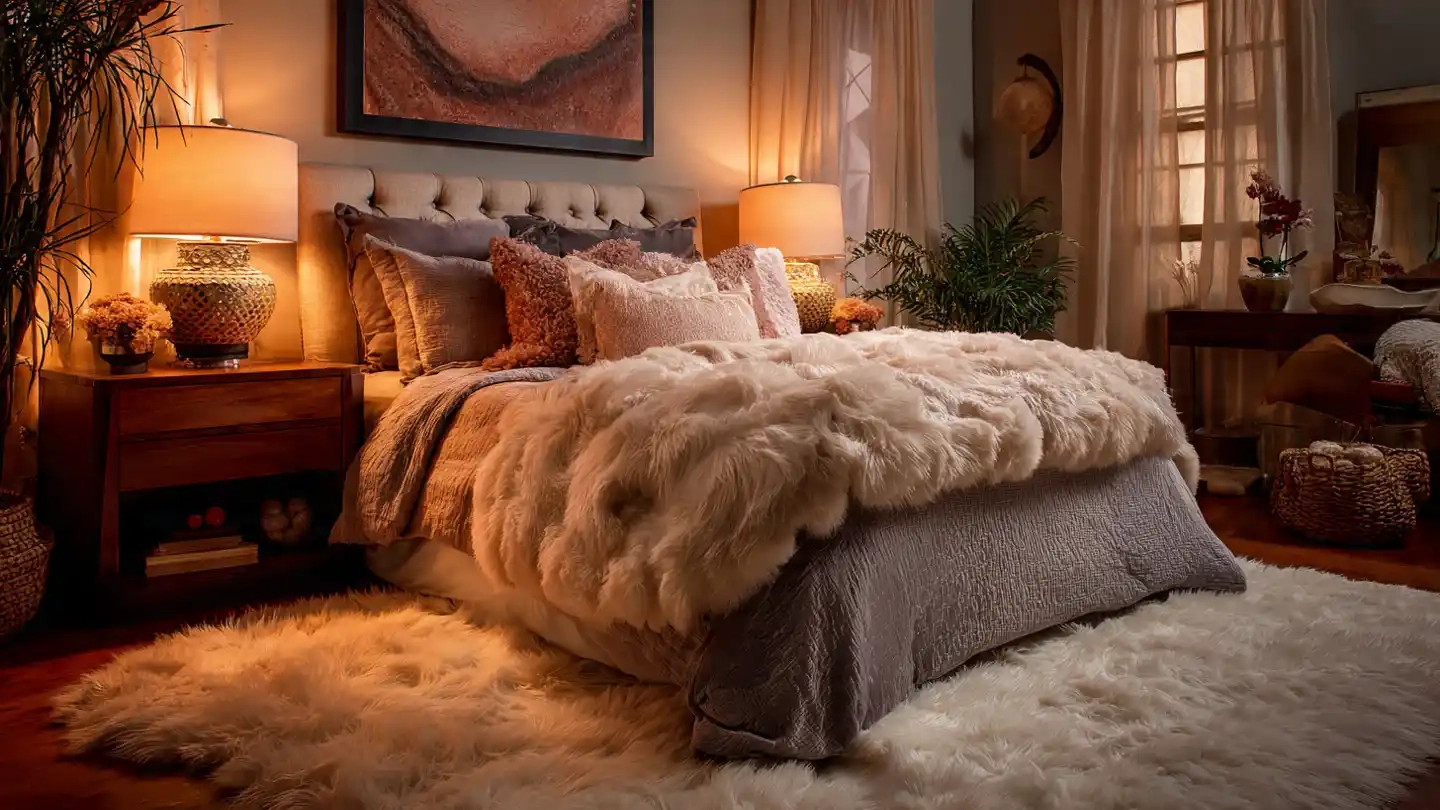
Layered bedding is one of the easiest ways to make a bedroom feel cozy and inviting. Using soft sheets, a plush comforter, and a lightweight throw creates depth and warmth. Different textures like cotton, linen, or knit blankets add visual interest without overwhelming the bed. Neutral tones work best for couples because they feel calming and suit different preferences. Layered bedding also allows flexibility for temperature changes at night.
Warm Neutral Color Palette
Warm neutral colors create a peaceful atmosphere that helps couples relax. Shades like beige, soft gray, cream, and taupe feel timeless and calming. These colors reduce visual noise and make the room feel balanced. Neutral walls also allow furniture and textiles to stand out naturally. This palette works well for couples with different style tastes.
Soft Lighting Instead of Harsh Overhead Lights
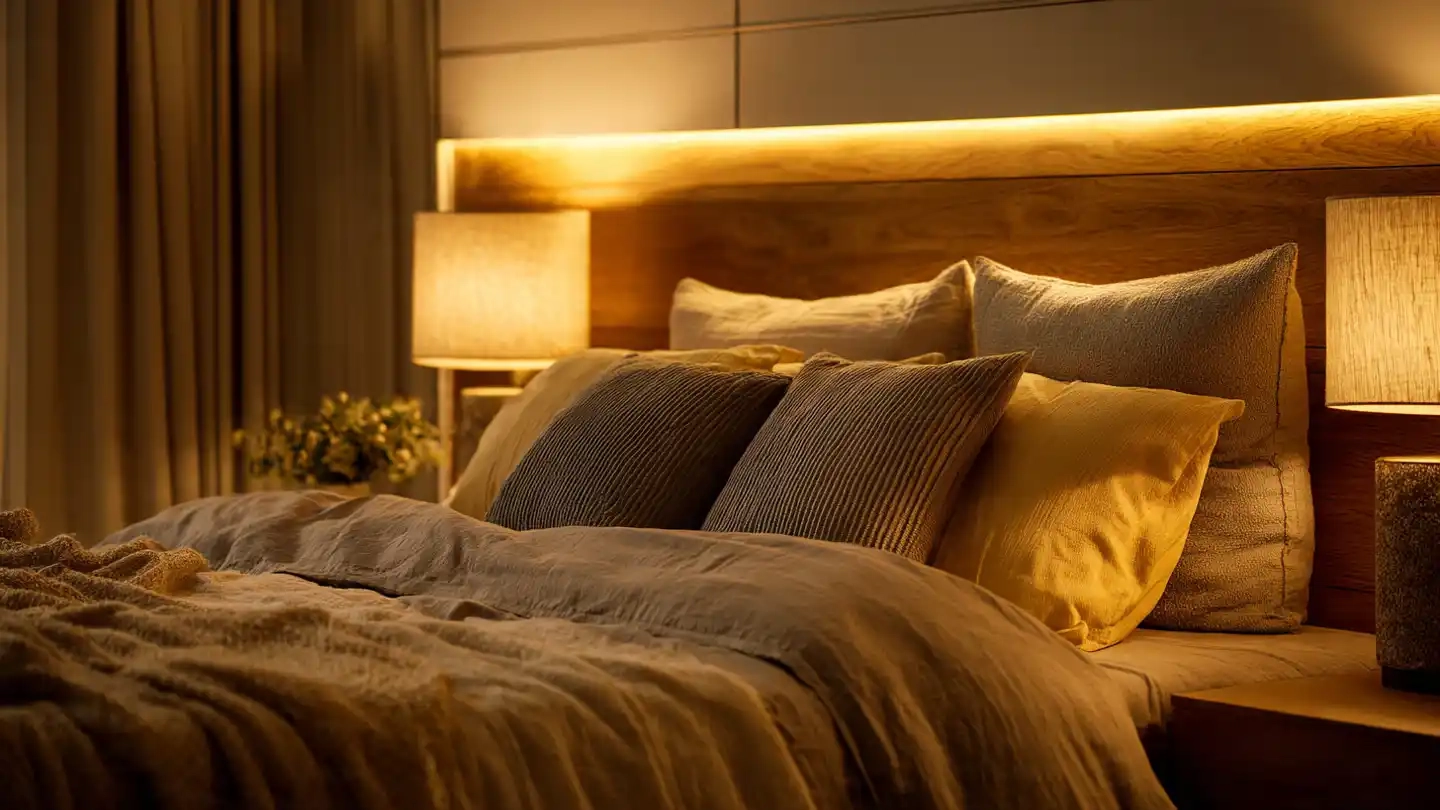
Harsh overhead lighting can ruin the cozy feel of a bedroom. Soft lighting sources like bedside lamps or wall sconces create a warmer and more intimate atmosphere. Warm bulbs help the room feel calm at night. Layering light sources allows couples to adjust lighting for reading, relaxing, or sleeping. Soft lighting improves both comfort and mood.
Matching Nightstands for Balance
Matching nightstands create visual symmetry, which feels calming and organized. They give both partners equal space for personal items. Balanced furniture placement reduces clutter and stress. Even simple nightstands help anchor the bed visually. Symmetry adds a sense of harmony to the room.
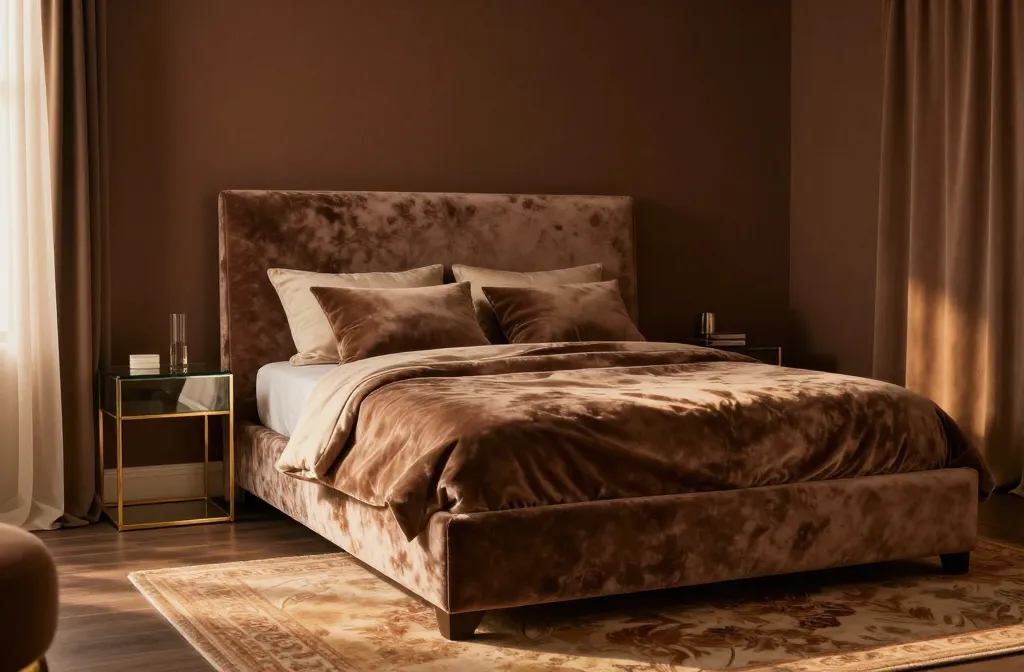
Upholstered Headboard for Warmth
An upholstered headboard adds softness and comfort behind the bed. Fabric headboards feel warmer and more inviting than wood or metal. They are comfortable for sitting up while reading or relaxing together. Neutral fabrics keep the look timeless. This feature improves both style and function.
Cozy Area Rug Under the Bed
A soft rug under the bed adds warmth and comfort, especially in the morning. Rugs help soften hard flooring and make the room feel grounded. Neutral or textured rugs work best in cozy bedrooms. The rug should extend beyond the bed for balance. This small detail makes the space feel complete.
Blackout Curtains for Better Sleep
Good sleep is essential for couples, and blackout curtains help block unwanted light. They also add softness and texture to the room. Thick curtains improve privacy and reduce noise. Neutral curtain colors keep the room calming. Better sleep leads to better relaxation and connection.
Simple Throw Pillows Without Clutter
Throw pillows add comfort and style, but too many can feel overwhelming. Using a few well-chosen pillows keeps the bed functional. Soft fabrics and neutral tones work best. Pillows should support comfort, not create mess. Simplicity enhances coziness.
Personal Touches That Reflect Both Partners
A cozy bedroom should feel personal to both people. Display shared photos, meaningful artwork, or sentimental objects. Keep decor minimal to avoid clutter. Items should evoke positive memories. Personal touches create emotional warmth.
Soft Wall Colors for Calm Energy
Soft wall colors help reduce stress and promote relaxation. Muted blues, warm grays, or earthy tones are ideal for couples. Bright or bold colors can feel overstimulating. Calm walls support better sleep. The bedroom should feel soothing, not distracting.
Natural Wood Accents
Wood elements add warmth and texture to a bedroom. Light or medium wood tones feel calming and timeless. Wooden furniture pairs beautifully with neutral bedding. Natural materials help soften modern spaces. Wood brings balance and comfort.
Minimal Clutter for Mental Peace
A clutter-free bedroom feels more peaceful and relaxing. Keeping surfaces clean reduces visual stress. Hidden storage helps maintain organization. A tidy bedroom supports better sleep. Less clutter means more calm.
High-Quality Bedding Fabrics
Soft, breathable bedding improves sleep quality. Linen and cotton regulate temperature naturally. High-quality fabrics feel better against the skin. Investing in bedding enhances comfort every night. Quality matters more than quantity.
Bedside Lamps With Warm Glow
Bedside lamps allow individual lighting control for couples. Warm bulbs create a cozy evening atmosphere. Lamps reduce the need for overhead lights. Adjustable lamps improve functionality. This setup supports comfort and relaxation.
Calm Artwork That Feels Relaxing
Artwork influences mood in a bedroom. Choose calm, neutral artwork rather than busy designs. Nature-inspired or abstract art works well. Keep frames simple. Art should enhance calmness, not distract.
Layered Textures for Visual Warmth
Textures add depth and coziness without clutter. Mixing fabrics like knits, linen, and soft rugs creates warmth. Textures make neutral spaces feel rich. This approach keeps the room interesting yet calm. Visual warmth enhances comfort.
Subtle Scents for Relaxation
Soft scents help create a cozy atmosphere. Lavender, vanilla, or sandalwood promote relaxation. Candles or diffusers work well when used lightly. Avoid overpowering fragrances. Gentle scents improve mood.
Small Seating Area for Quiet Moments
If space allows, add a small chair or bench. This creates a spot for conversation or reading. Seating adds function to the bedroom. Soft seating enhances comfort. It makes the room feel more personal.
Warm Metallic Accents
Warm metals like brass or bronze add elegance. They reflect light softly and feel cozy. Use metals sparingly in lamps or decor. Avoid shiny finishes. Warm metals elevate the space subtly.
Balanced Furniture Layout
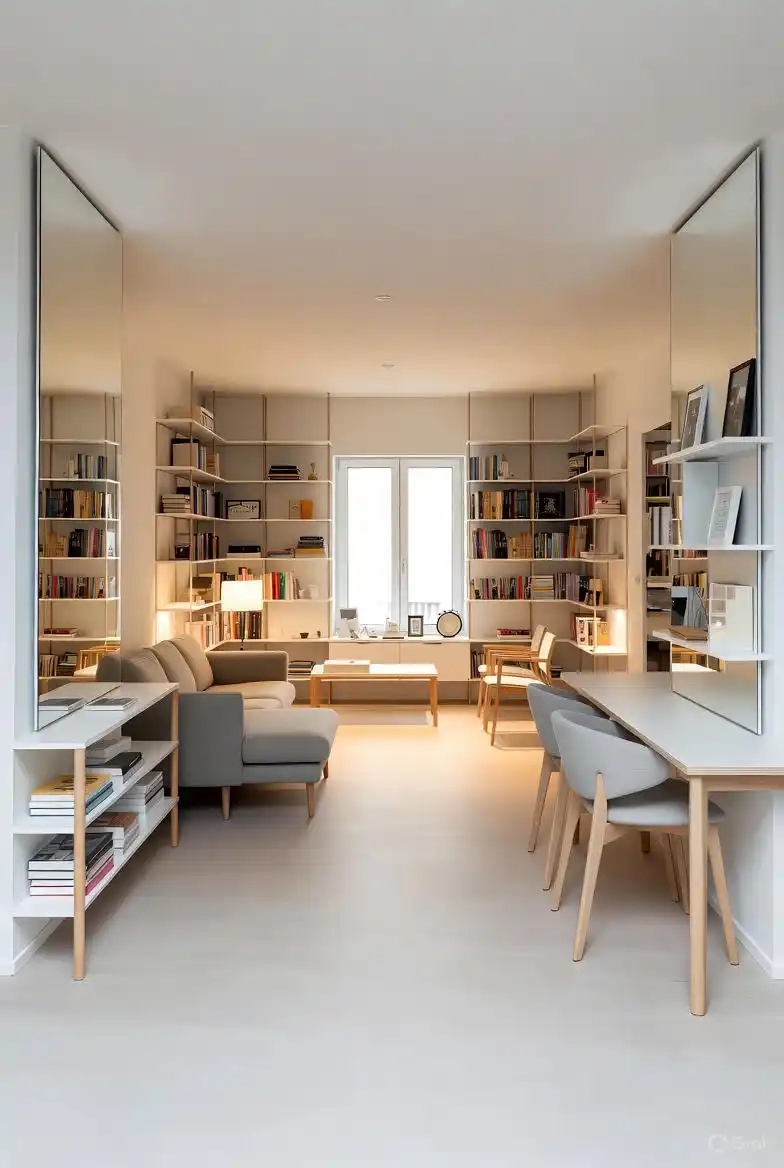
A good layout improves daily comfort. Ensure both sides of the bed are accessible. Avoid overcrowding furniture. Balanced layouts reduce frustration. Functionality supports coziness.
Soft Accent Lighting
Accent lighting adds depth and warmth. Small lamps or hidden LED lights work well. Soft lighting enhances intimacy. Avoid bright white lights. Accent lighting completes the atmosphere.
Natural Elements for Calmness
Plants or natural decor bring life into the bedroom. Choose low-maintenance greenery. Natural elements improve mood. Keep it simple. Nature adds serenity.
Matching Bedding Style
Matching bedding creates visual harmony. Neutral designs suit both partners. Cohesive bedding reduces visual tension. Harmony improves comfort. A calm bed supports relaxation.
Screen-Free Bedroom Atmosphere
Limiting screens improves sleep quality. Avoid TVs or excessive phone use. Focus on rest and connection. A calm bedroom supports healthier routines. Screen-free spaces feel more peaceful.
Final Thoughts
A cozy bedroom for couples is built on comfort, balance, and emotional warmth. Soft lighting, calming colors, and thoughtful details create a space where both partners feel relaxed. Focus on simplicity, quality, and shared preferences. When comfort comes first, the bedroom becomes a true retreat.