Mood Lighting Bedroom Ideas That Instantly Create Calm, Comfort, and Romance
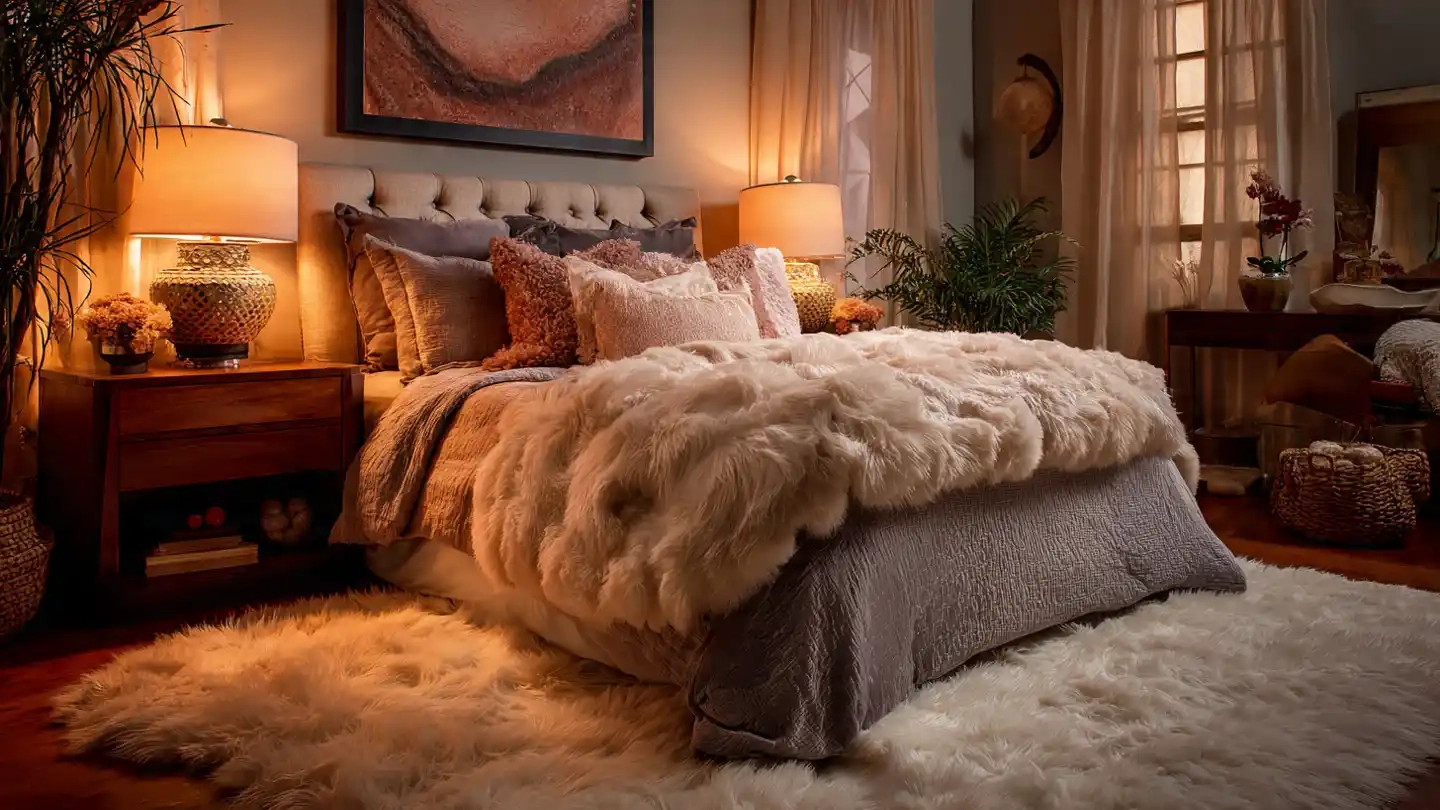
Mood lighting can completely change how a bedroom feels. It affects how relaxed you are at night, how well you sleep, and even how emotionally comfortable the space feels. Bright overhead lights are useful during the day, but they often feel harsh and uninviting in the evening. Mood lighting focuses on soft, warm, and layered light that makes the bedroom feel calm, cozy, and personal.
A well-lit bedroom does not mean a bright bedroom. It means balanced lighting that supports rest, intimacy, and relaxation. Whether your bedroom is large or small, modern or traditional, mood lighting can be achieved with simple changes. The ideas below are practical, affordable, and designed to work in real bedrooms, not just styled photos.
Why Mood Lighting Matters in the Bedroom
Mood lighting helps signal your brain that it is time to slow down. Warm, low lighting supports better sleep by reducing stimulation before bedtime. It also makes the bedroom feel emotionally safe and comforting, which is especially important after a long day. Bedrooms with good mood lighting often feel warmer, quieter, and more relaxing even if the furniture stays the same.
Mood lighting also improves how colors and textures look in the room. Soft light enhances bedding, curtains, and wall colors instead of washing them out. This makes the entire bedroom feel more intentional and thoughtfully designed. For couples, mood lighting helps create intimacy and shared comfort without effort.
Mood Lighting Bedroom Ideas That Actually Work
Bedside Lamps With Warm Bulbs
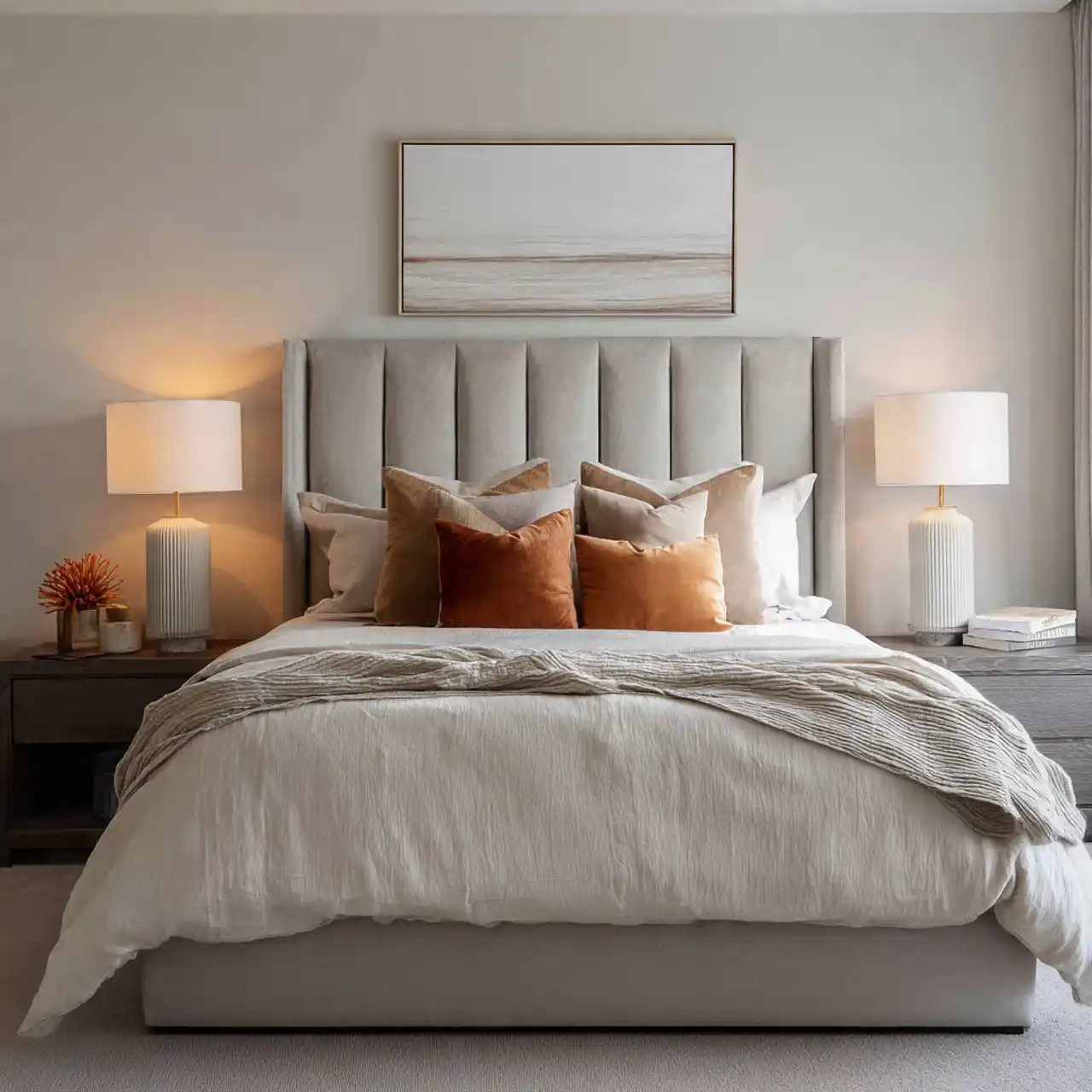
Bedside lamps are the foundation of mood lighting in a bedroom. Using warm bulbs instead of cool white instantly softens the space. Lamps placed at eye level create gentle light that feels calming rather than harsh. Having one lamp on each side of the bed allows individual control and balance. This setup is ideal for reading, relaxing, or winding down at night.
Wall Sconces for Soft Evening Light
Wall sconces add mood lighting without taking up space on nightstands. They create a gentle glow that spreads evenly across the wall. Sconces work especially well in small bedrooms where surface space is limited. Warm light from wall fixtures feels elegant and calming. They also reduce the need for overhead lighting at night.
LED Strip Lighting Behind the Headboard
LED strips behind the headboard create a soft halo effect. This indirect light adds depth and warmth without glare. Warm or amber LED tones are best for bedrooms. The light gently frames the bed and makes the room feel cozy. This option is also renter-friendly and easy to install.
Table Lamps With Fabric Shades
Fabric shades diffuse light softly, which is ideal for mood lighting. Linen or cotton shades reduce brightness while keeping the room warm. Table lamps with fabric shades feel comforting and timeless. They work well on dressers, nightstands, or console tables. This type of lighting creates a relaxed evening atmosphere.
Dimmable Lighting for Flexibility
Dimmers allow you to adjust light levels based on your mood. Lower light levels help your body relax before sleep. Dimmable lamps and wall lights offer flexibility without changing fixtures. This makes the bedroom adaptable for reading, relaxing, or sleeping. Dimmers are one of the most effective mood-lighting upgrades.
Floor Lamps With Soft Glow
Floor lamps add warmth without overpowering the room. Lamps with fabric shades or uplighting designs work best for mood lighting. Placing a floor lamp in a corner helps eliminate dark areas. Soft floor lighting balances the room visually. It also adds a cozy layer to evening lighting.
Candle-Style Lighting for Romance
Candle-style lamps or LED candles create a gentle flicker that feels calming and romantic. They provide visual warmth without harsh brightness. LED options are safer and last longer. These lights work well on nightstands or shelves. Candle lighting adds emotional comfort to the bedroom.
Accent Lighting Behind Curtains
Placing soft lighting behind sheer curtains creates a dreamy glow. This technique adds depth and softness to windows. It works especially well in bedrooms with neutral colors. The light feels diffused and calm. This idea enhances mood without adding visual clutter.
Soft Lighting on Shelves
Shelf lighting adds subtle illumination without bright spots. Small LED strips or puck lights work well here. This lighting highlights decor gently. It also adds depth to the room at night. Shelf lighting contributes to a layered mood-lighting plan.
Pendant Lights With Warm Tones
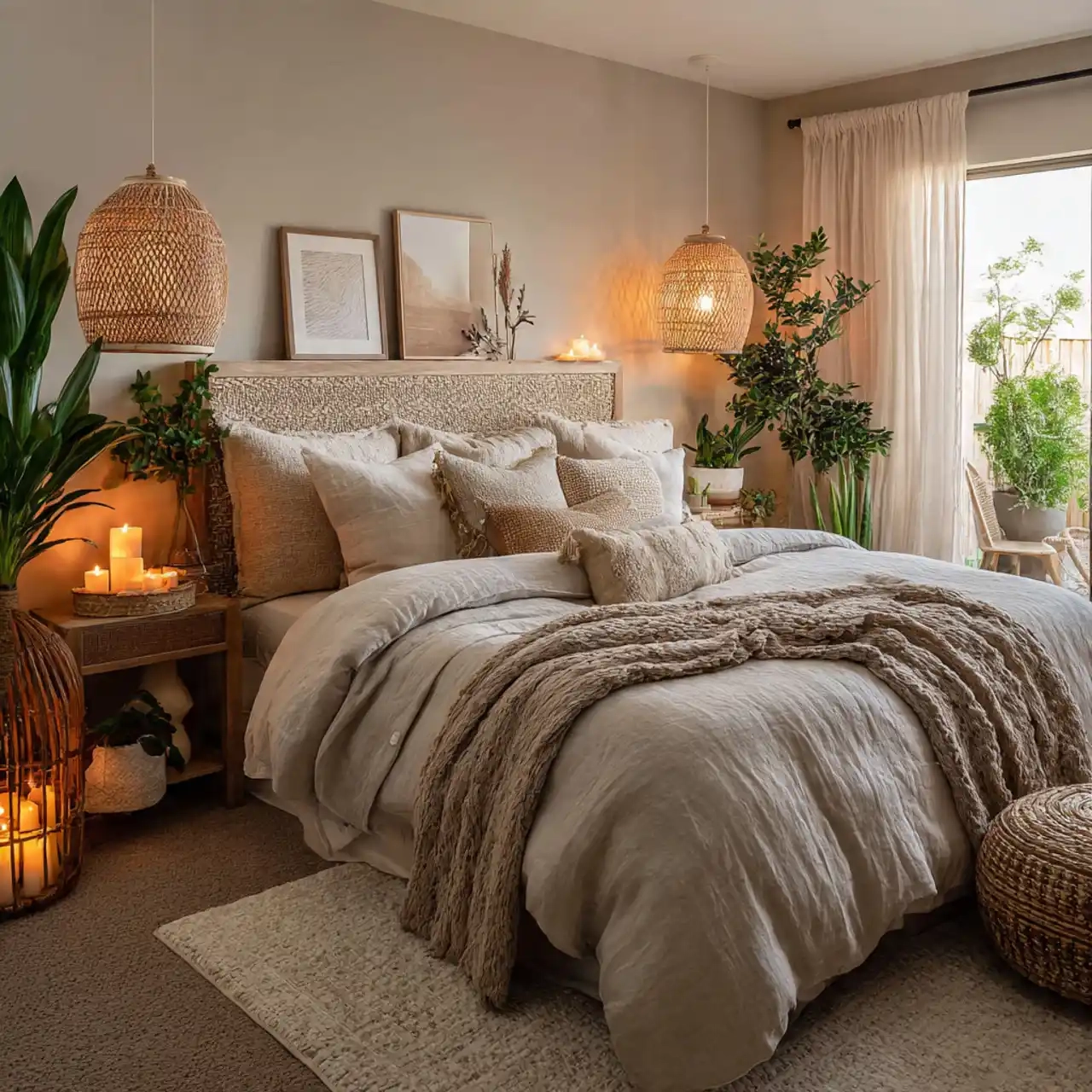
Low-hanging pendant lights beside the bed add a cozy and modern feel. Warm bulbs keep the light relaxing. Pendant lighting frees up nightstand space. This option works well in minimalist bedrooms. It adds style while maintaining calmness.
String Lights Used Sparingly
String lights can add warmth if used carefully. Choose warm white lights instead of cool tones. Keep placement minimal, such as behind the headboard or along a shelf. Avoid cluttered arrangements. When used subtly, string lights enhance mood beautifully.
Lamps With Warm Metal Finishes
Lamps with brass, bronze, or gold finishes reflect light softly. Warm metals enhance the cozy feel of a bedroom. These finishes pair well with neutral decor. Avoid shiny chrome for mood lighting. Warm metals help the light feel softer and richer.
Uplighting for Indirect Illumination
Uplighting directs light toward the ceiling or wall. This reduces glare and creates even brightness. Indirect light is calming for the eyes. Uplights work well behind furniture or in corners. This method makes the bedroom feel larger and softer.
Low-Level Night Lighting
Low-level lights near the floor create gentle guidance at night. They are helpful without being disruptive. Soft floor lighting prevents harsh brightness during nighttime movement. Warm tones keep the mood relaxed. This lighting supports comfort and safety.
Light-Filtering Curtains With Backlighting
Light-filtering curtains soften natural and artificial light. When paired with backlighting, they create a warm glow. This technique enhances privacy while maintaining mood. Neutral fabrics work best. It adds elegance and softness to the room.
Warm Bulb Color Temperature Throughout
Consistency in bulb color temperature is important. Mixing cool and warm bulbs disrupts mood. Stick to warm or soft white bulbs throughout the bedroom. This keeps the lighting cohesive and calming. Consistent warmth supports relaxation.
Lamps With Adjustable Brightness
Adjustable lamps allow control without installing dimmers. Lower brightness helps signal bedtime. These lamps work well for reading and relaxing. Flexibility is key for mood lighting. Adjustable brightness improves comfort.
Recessed Accent Lights Used Sparingly
Recessed lights can be used for mood lighting if placed carefully. Avoid bright, centered ceiling lights at night. Use recessed lights near walls or corners. Dim them low. This creates ambient light without harshness.
Lighting That Highlights Texture
Soft lighting that highlights textures adds warmth. Light grazing across fabric, wood, or wall texture creates depth. This makes the bedroom feel richer. Textures look better under warm light. Mood lighting enhances material quality.
Lamps With Soft, Rounded Shapes
Rounded lamp shapes feel gentler than sharp designs. They visually soften the room. These shapes complement mood lighting well. Soft forms support a relaxed atmosphere. Design matters as much as brightness.
Minimal Lighting for Visual Calm
Too many lights can feel overwhelming. Mood lighting works best when it is intentional. Choose a few well-placed light sources. Avoid cluttered lighting layouts. Simplicity enhances calmness.
Smart Lighting With Evening Presets
Smart lighting allows preset moods for nighttime. Warm dimmed settings can activate automatically in the evening. This removes effort from daily routines. Smart controls support consistency. Mood lighting becomes effortless.
Lamps Positioned Below Eye Level
Lights placed below eye level feel softer. This reduces glare and eye strain. Bedside and floor lamps work well here. Lower light placement improves comfort. It is ideal for evening relaxation.
Soft Lighting Near Seating Areas
If your bedroom has seating, add gentle lighting nearby. This creates a cozy reading or conversation corner. Soft light makes the space feel inviting. Seating areas benefit from focused mood lighting. This adds functionality without brightness.
Balanced Lighting on Both Sides of the Bed
Balanced lighting creates harmony. Uneven lighting feels visually uncomfortable. Matching lamps or similar brightness levels help. Balance improves relaxation. It also supports shared comfort.
Common Mood Lighting Mistakes to Avoid
Using cool white bulbs is the most common mistake. Overhead lighting at night also ruins mood quickly. Too many bright light sources create visual noise. Mixing different light colors disrupts calmness. Avoid shiny fixtures that reflect harsh light.
Final Thoughts
Mood lighting is one of the most powerful yet overlooked elements in bedroom design. It affects sleep quality, emotional comfort, and how the space feels at night. By focusing on warm tones, indirect light, and layered sources, you can create a bedroom that feels calm, cozy, and deeply relaxing. Mood lighting does not require expensive fixtures, only thoughtful choices.