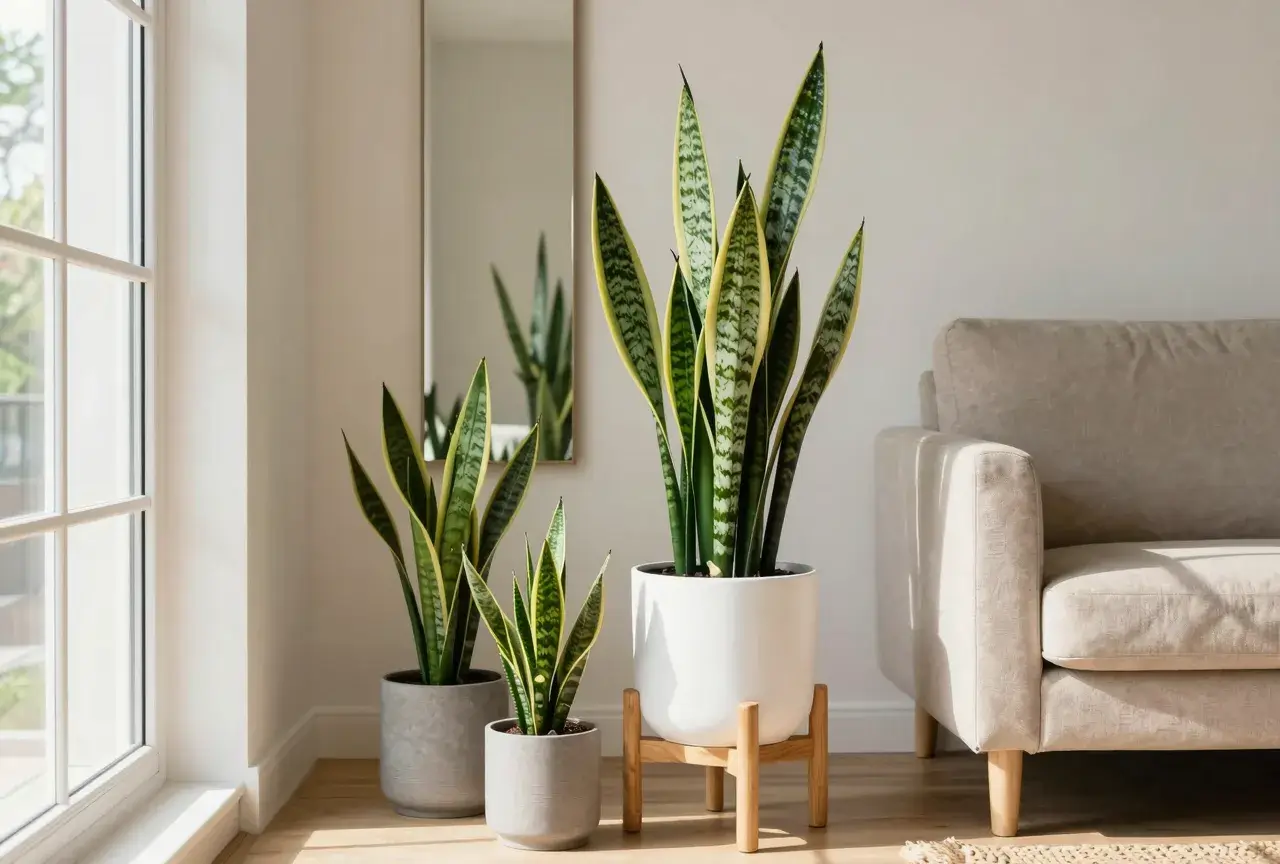
Snake Plant Not Bushier? 9 Ways to Do I
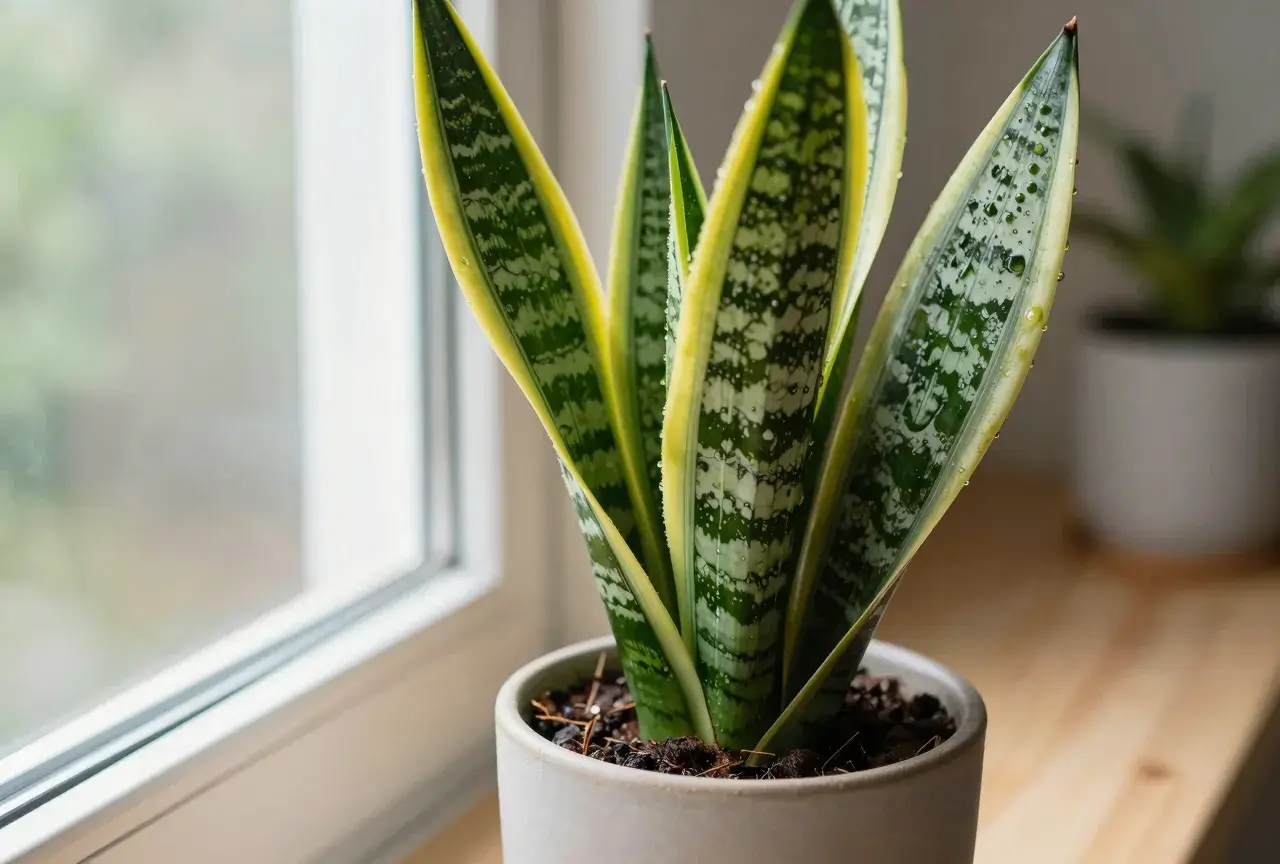
If your snake plant isn’t looking as full as you’d hoped, you’re not alone. It’s a common issue, and the fix is usually simple and practical. In this guide, I share nine clear, no-nonsense steps you can take to encourage a bushier, healthier plant. You’ll learn about light, water, potting, and even a few quick tweaks you can make today. Let’s get your snake plant thriving again.
1. Increase Light Intensity and Duration
Snake plants adapt well to low light, but they tend to stretch toward the brightest spot, which can make them look leggy. Move yours to a brighter, indirect light location and aim for a few hours of gentle morning sun or bright, filtered light each day. If your space has southern or western exposure, place the plant where it gets consistent, moderate light rather than strong, direct sun that can scorch leaves.
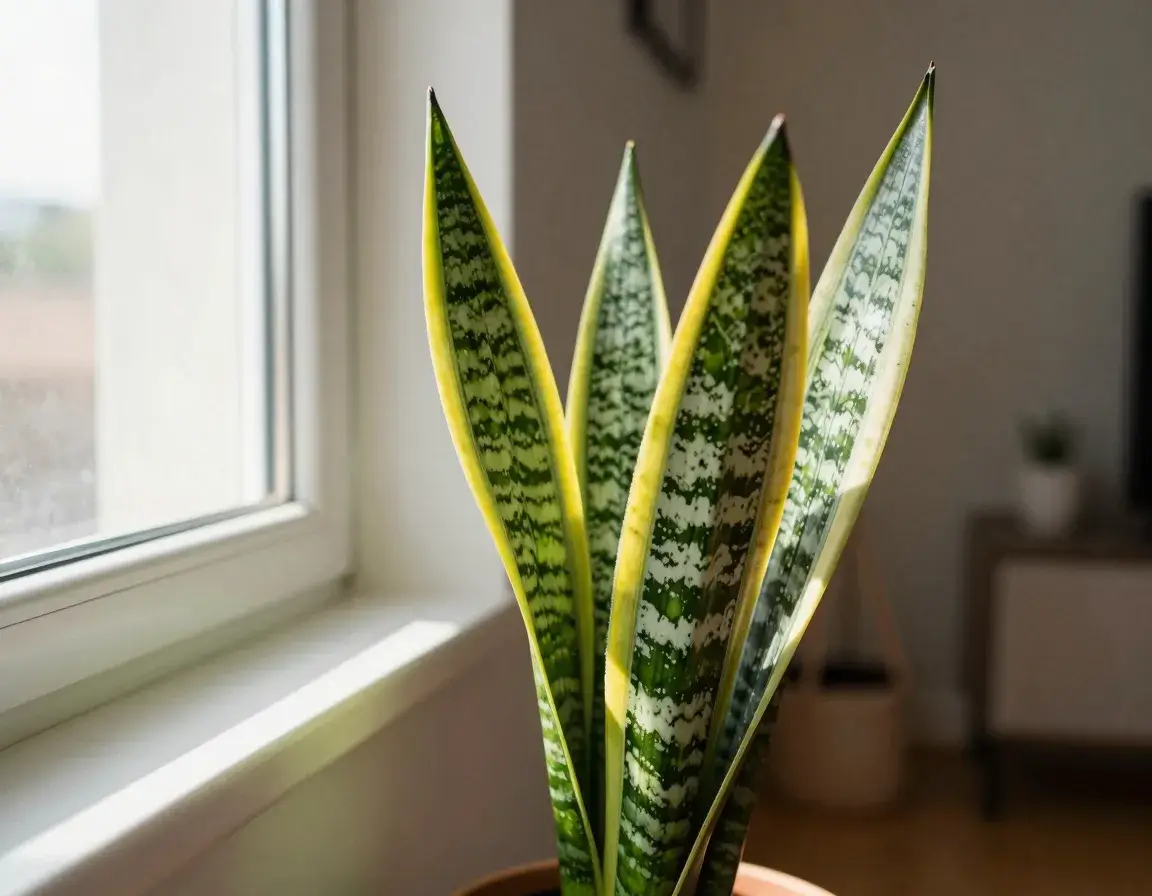
2. Trim Leggy Growth for a Bushier Base
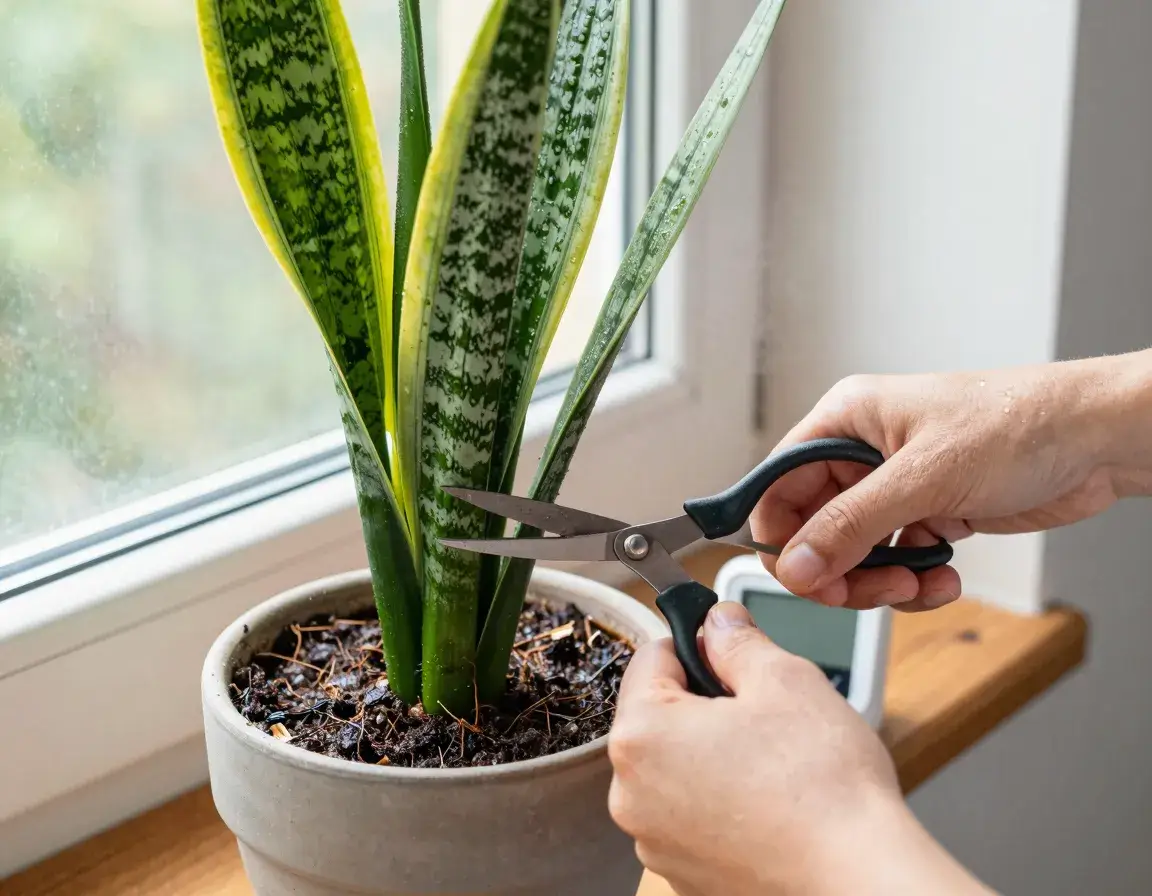
Cut back tall, spindly shoots to encourage new side growth from the base. Use clean, sharp scissors and make cuts just above a node. The plant will often send up multiple new shoots from the cut area, creating a fuller look over time. Don’t remove more than a third of the plant at once if it’s already stressed.
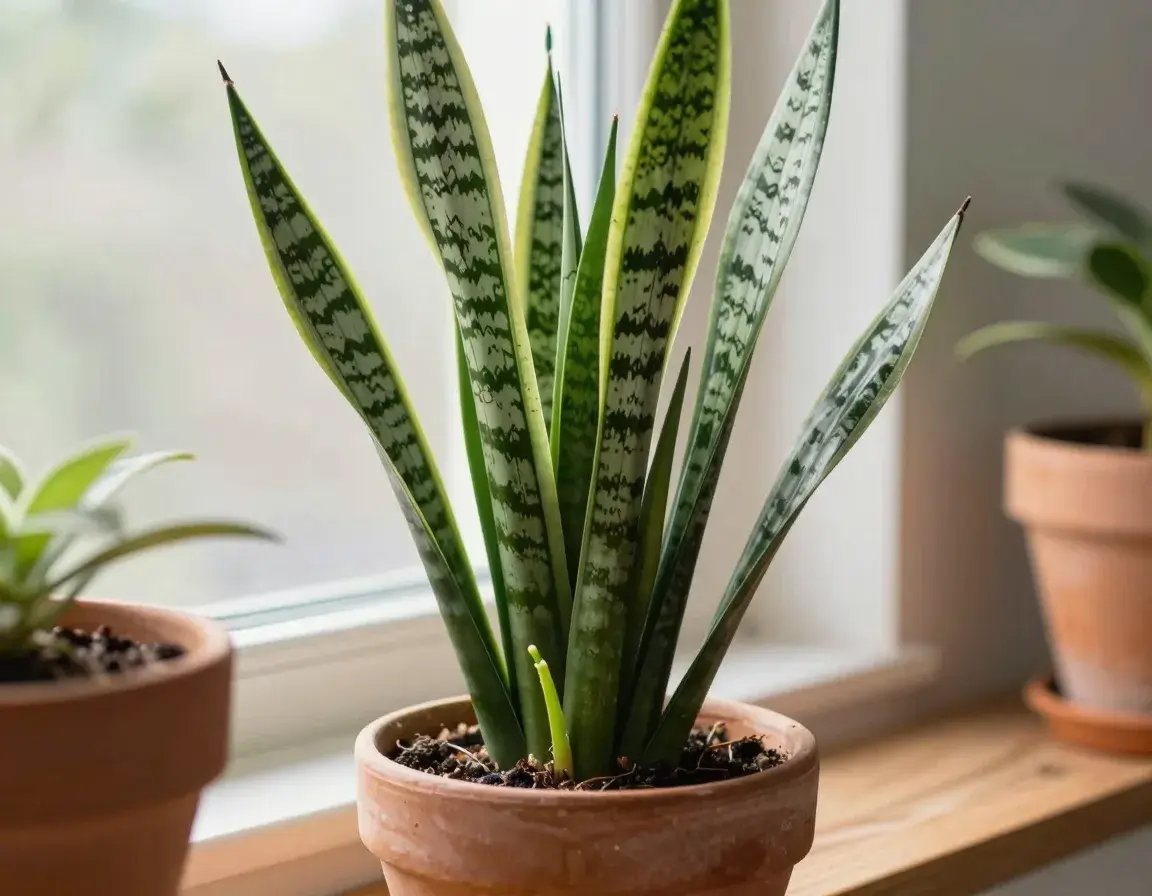
3. Repot with Fresh, Well-Draining Soil
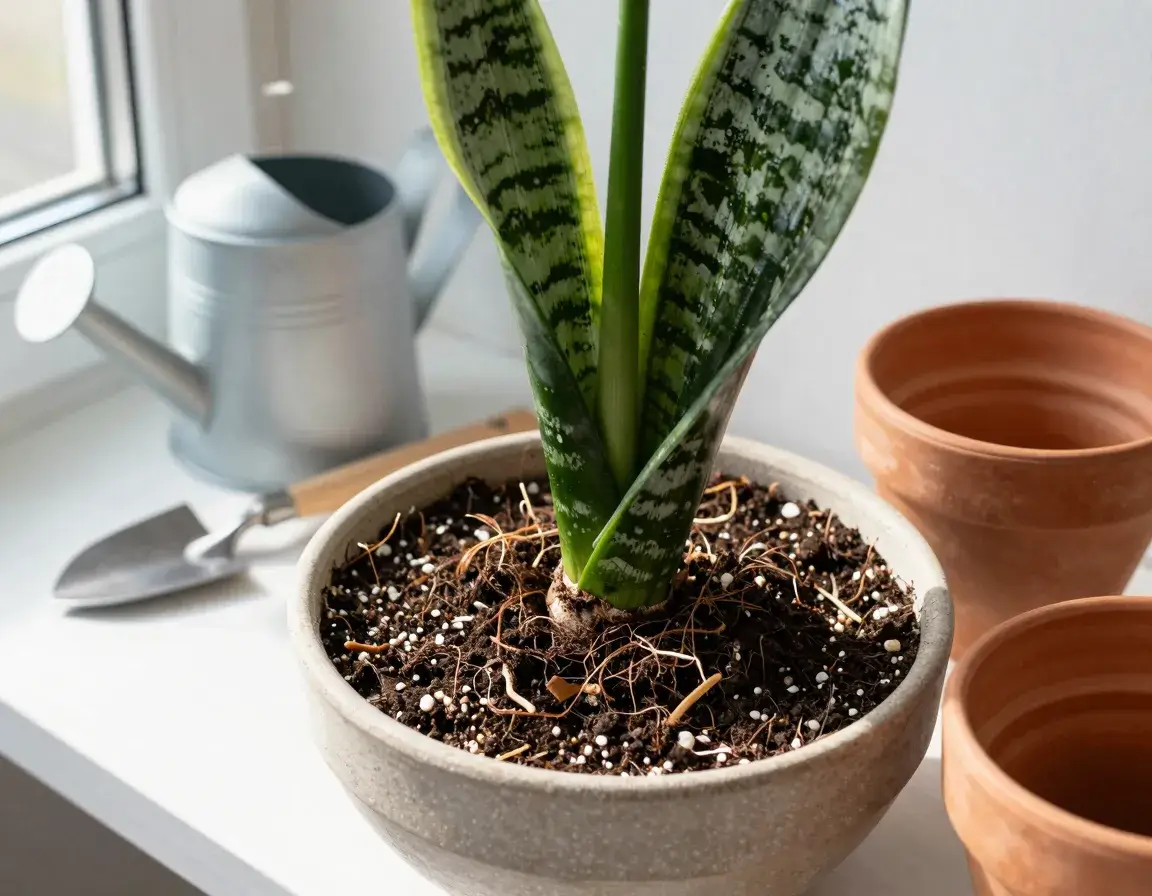
Repotting in fresh mix can revive root activity and support new growth. Use a light, well-draining potting mix—ideally a cactus or succulent blend with added perlite or horticultural grit. If the pot is root-bound, gently tease out the roots and trim any circling roots before placing the plant in a slightly larger pot.
4. Adjust Watering to Prevent Root Stress
Overwatering dwarfs growth and can lead to root rot, while under-watering can slow growth too. Allow the soil to dry about 1–2 inches deep between waterings, then water thoroughly until it drains. In cooler months, reduce watering further. Consistent, moderate moisture supports steady, bushier growth.
5. Provide a Balanced Fertilizer Schedule
Feed your snake plant lightly during the growing season with a balanced houseplant fertilizer, about once a month. Dilute to half strength and apply after you’ve watered to avoid fertilizer burn. Skip feeding during winter when growth naturally slows. Healthy feeding encourages sturdier shoots and fuller appearance.
6. Promote Air Circulation Around the Plant
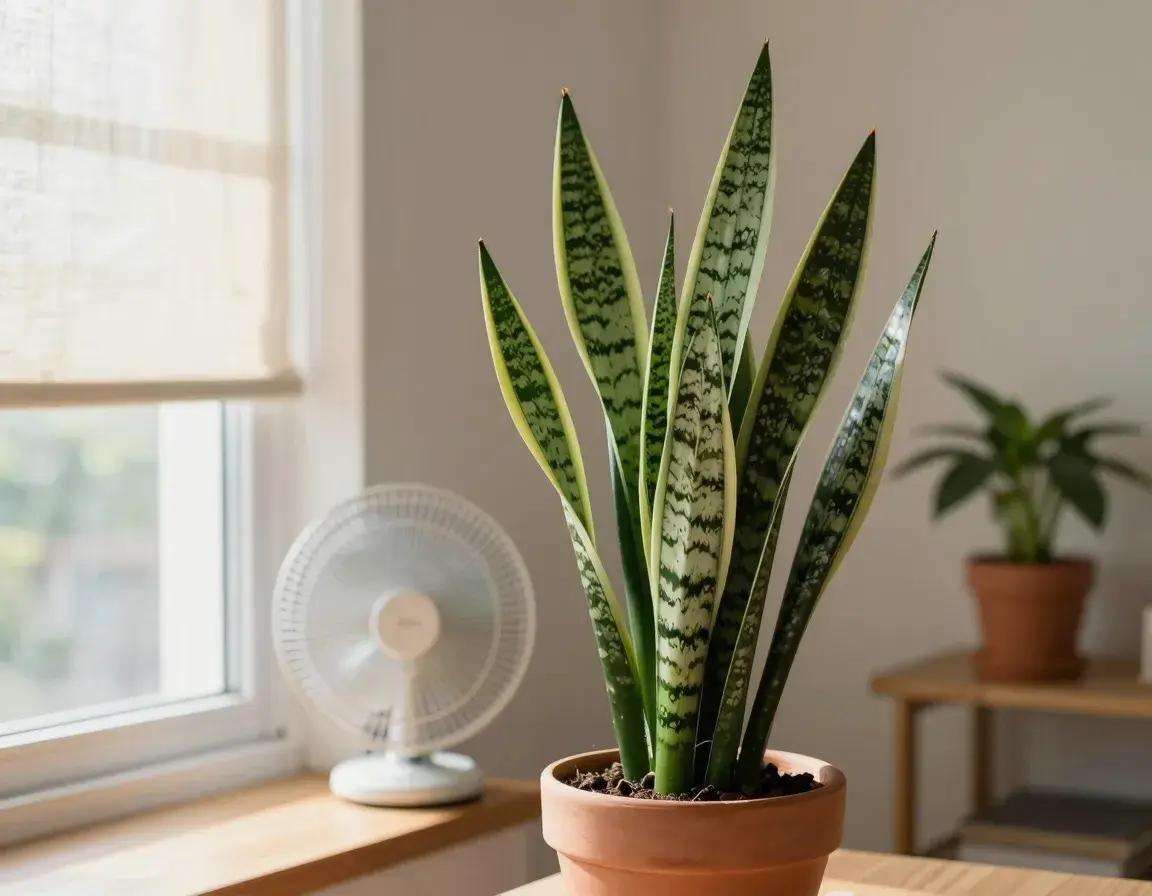
Good airflow helps leaves dry after watering and reduces disease risk that can stunt growth. If your plant is in a crowded corner, gently move it to a spot with better air movement. A small fan on low settings for a few hours a day can also help keep the foliage healthy and encourage even growth.
7. Choose the Right Pot Size for Steady Growth
A pot that’s just a bit larger than the root mass supports steady, healthy growth. A pot that’s too large can lead to waterlogged soil and slow growth, while a pot that’s too small can stunt development. Aim for a container with drainage holes and a modest increase in size every 1–2 years as the plant fills out.
8. Stem and Leaf Care to Stimulate Proliferation
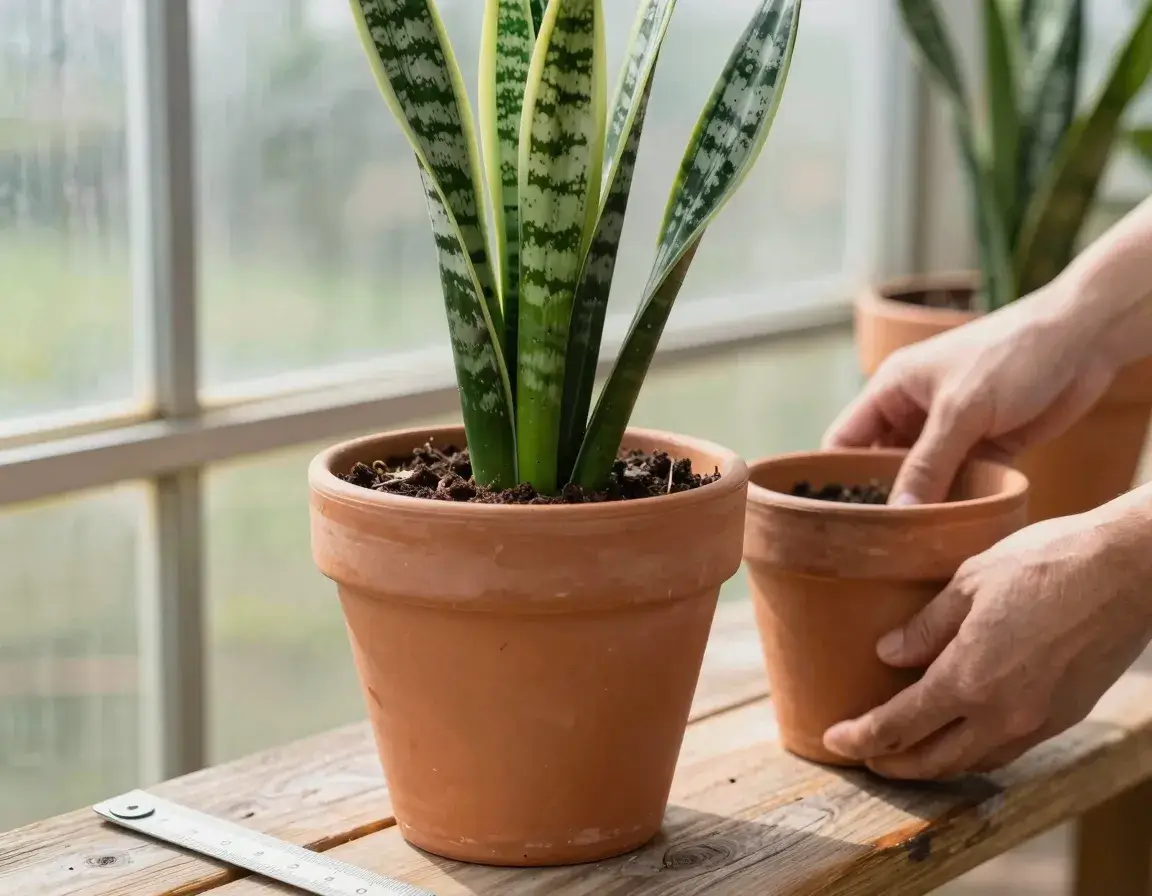
Inspect the plant for spent leaves and remove them cleanly at the base. Healthy, robust leaves and a tidy crown help redirect energy into new growth. If you notice pale patches or yellowing leaves, trim or remove them to keep the plant focused on producing new, bushier growth rather than maintaining weak foliage.
9. Propagate to Create a Fuller Row of Plants
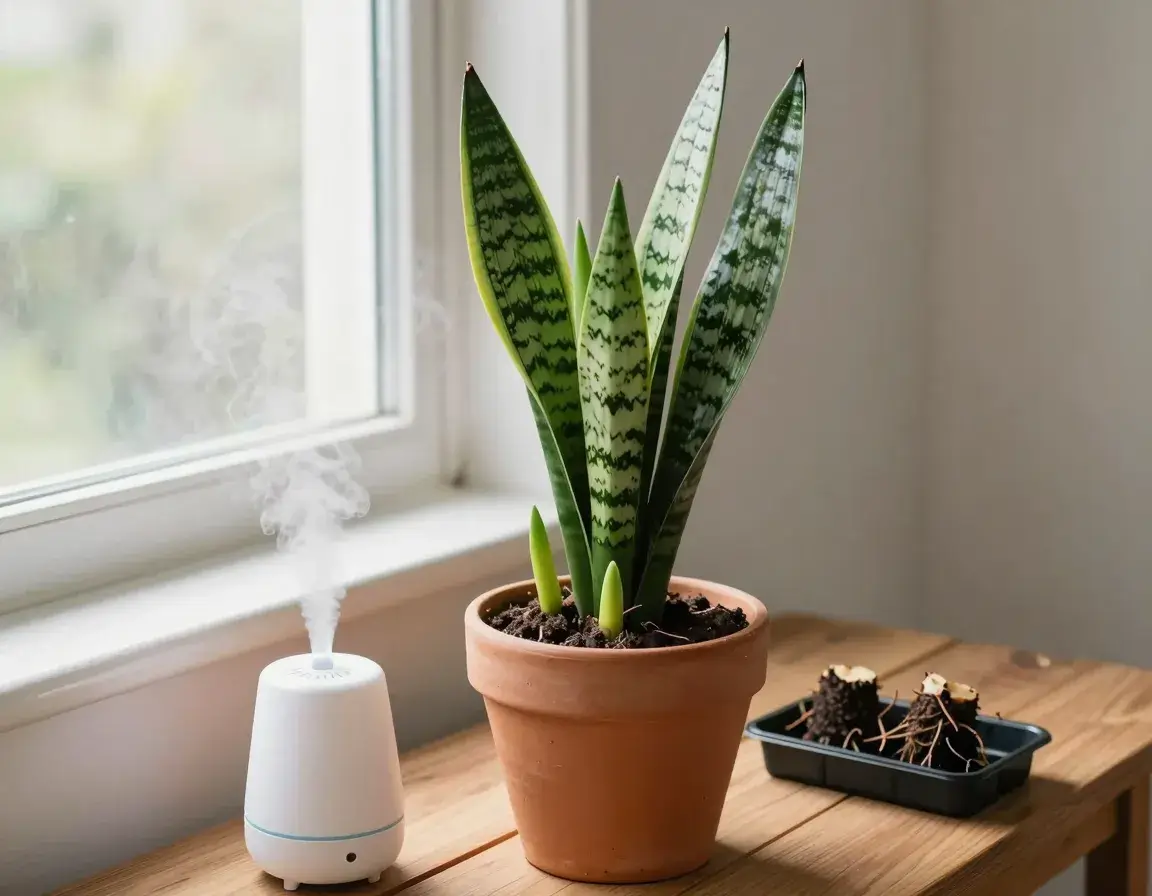
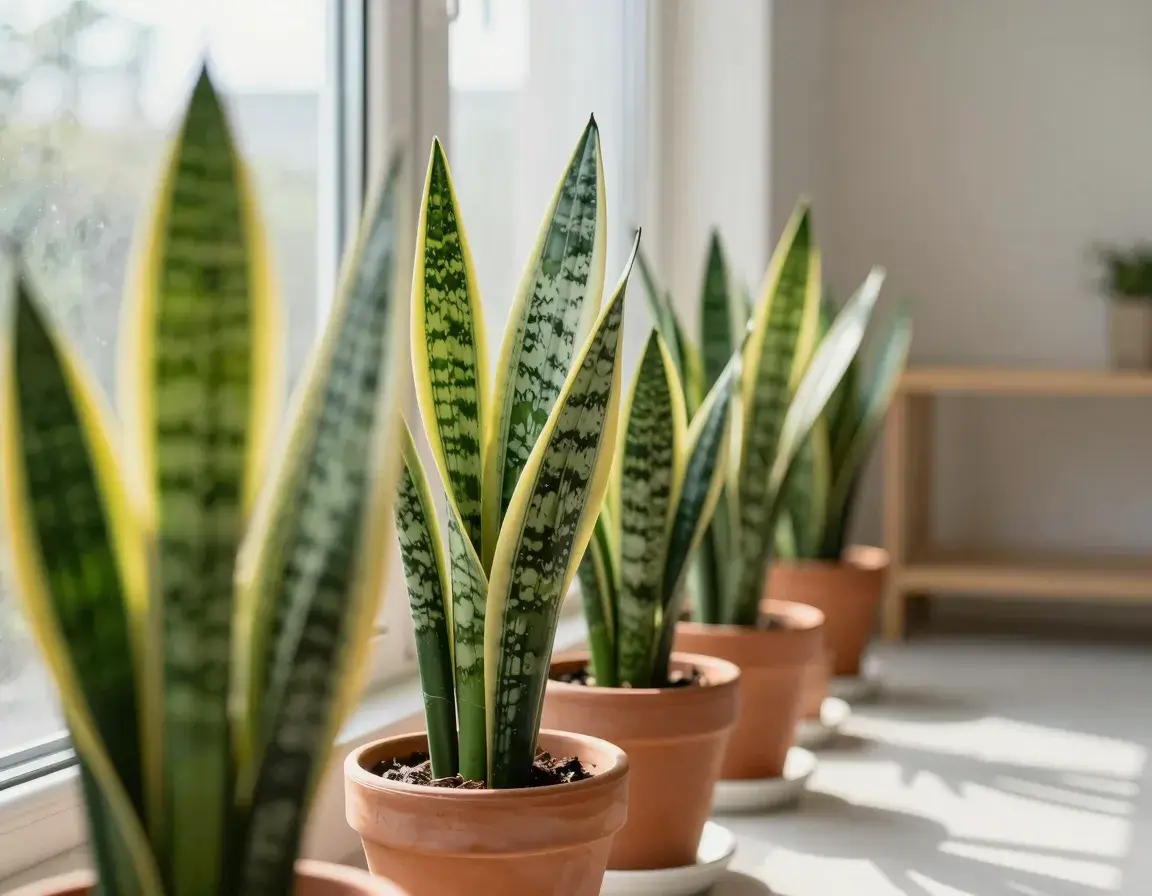
Take a few healthy leaf cuttings or pup offsets and root them in fresh mix. Once established, these new plants can be potted near the mother plant or shared with friends to create a fuller, multi-plant display. Propagation not only fills space faster but also gives you more resilient plants that support each other’s growth.
Final Thoughts
With a few targeted tweaks to light, water, soil, and routine care, your snake plant can become noticeably bushier and more vibrant. Start with the easiest changes—light and watering—and layer in repotting, feeding, and propagation as needed. Patience matters here; new growth builds over weeks to months, not days.
Frequently Asked Questions
Why isn’t my snake plant getting bushier even after changing light? Growth can be slow in low light, and it may take a full growing season to see a noticeable difference. Pair better light with consistent watering and occasional feeding for best results.
How do I know if I’m overwatering my snake plant? Check the soil: if it stays wet for several days after watering and the pot has poor drainage, you’re likely overwatering. Let the soil dry more between waterings and ensure the pot has drainage holes.