11 Ways to Create a Calm, Nervous System-Friendly Sanctuary at Home

Relaxing spaces don’t happen by accident. You deserve a sanctuary that helps your body breathe, slows racing thoughts, and makes everyday tasks feel doable. This guide shares practical, real-world steps you can start today to nurture calm at home.
1. Declutter with a gentle, one-spot-at-a-time approach
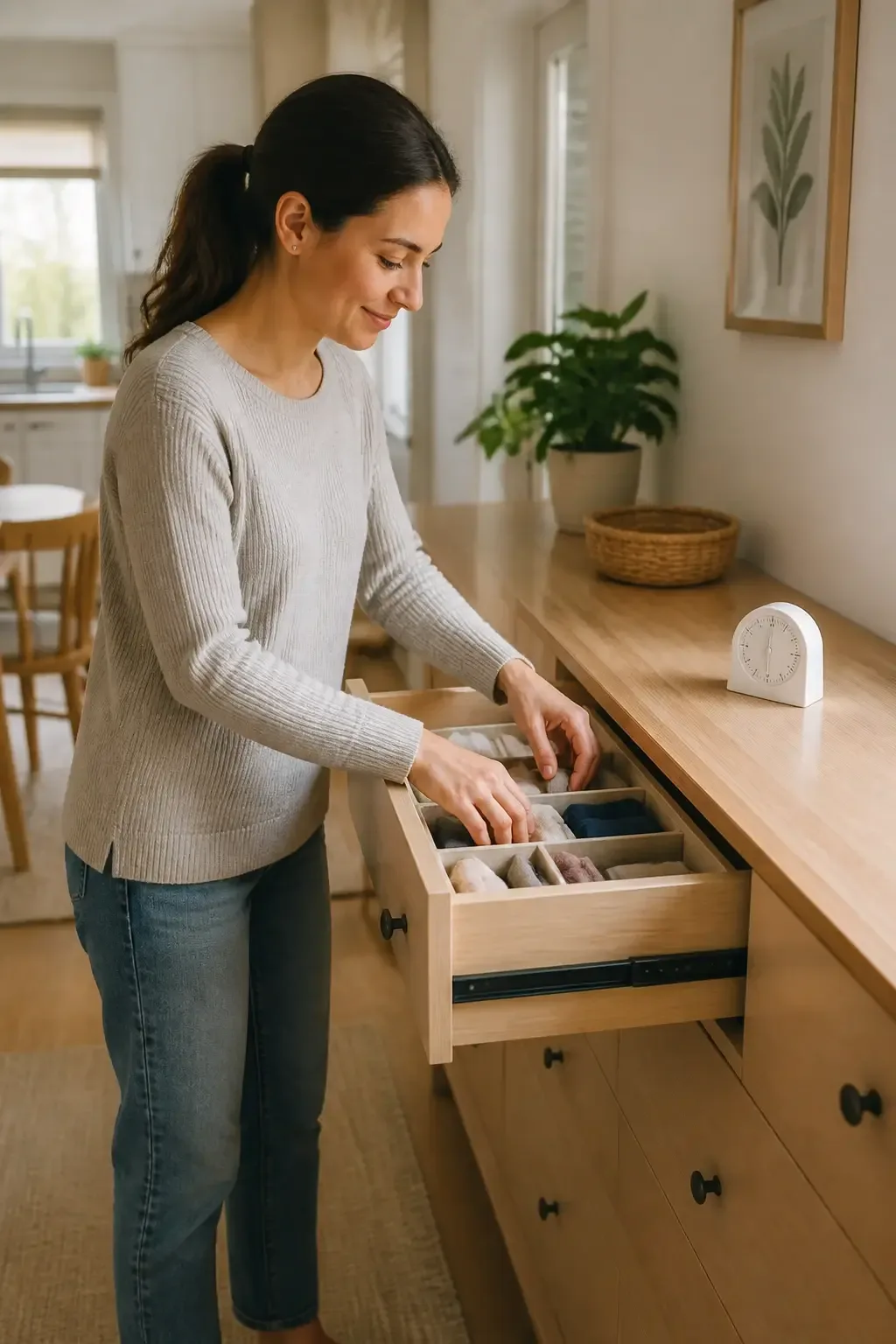
Why it works: A tidy surface and clear floor space reduce sensory overload and give your nervous system room to reset. Start with one drawer or shelf you use daily, then gradually move to other areas. Set a timer for 15 minutes and stop before you feel drained to keep it sustainable.
2. Create a dedicated calm zone for daily replenishment
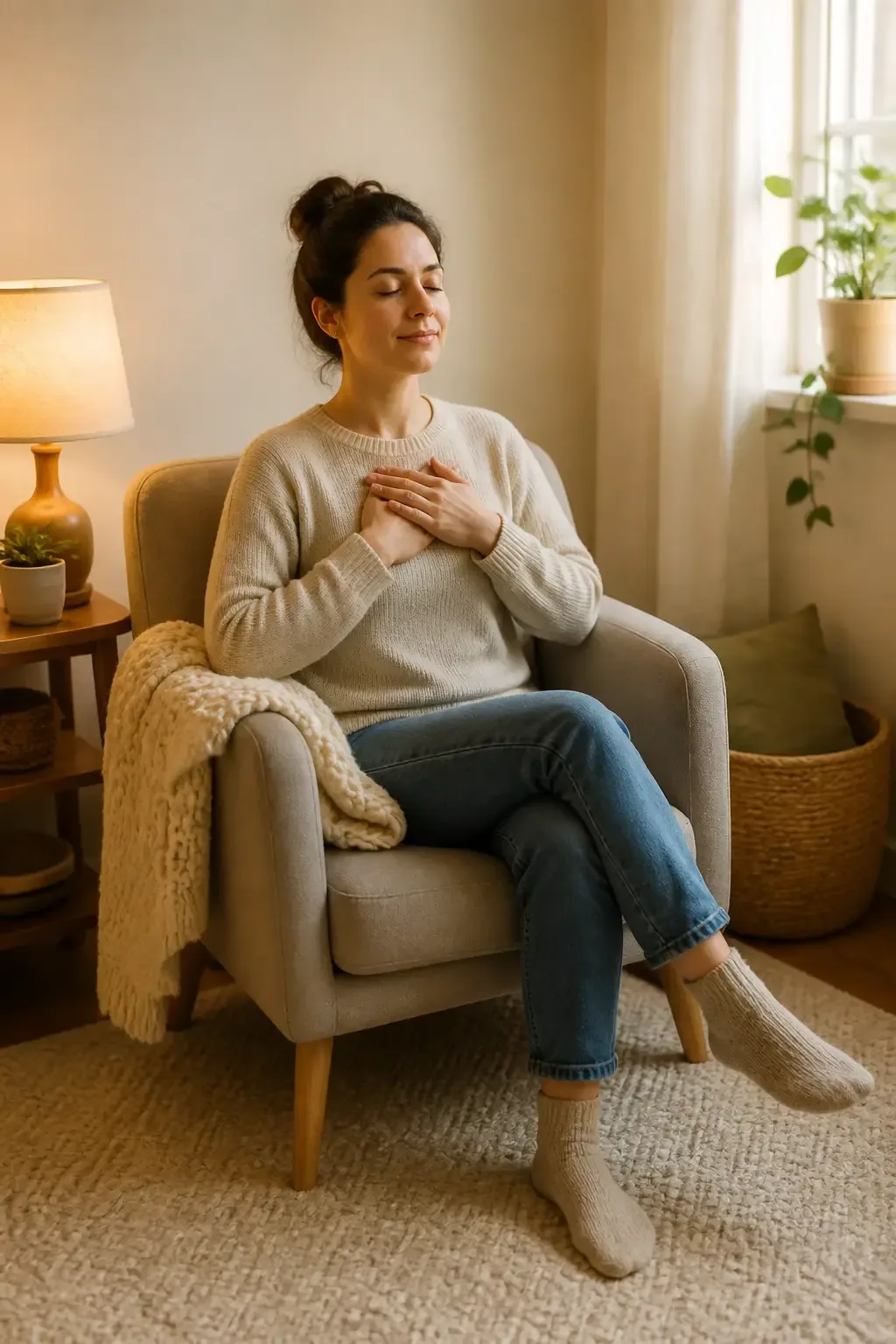
How to: Pick a small corner or a single chair where you can sit comfortably for 5–15 minutes. Add a soft light, a cozy blanket, and maybe a low-pile rug. This isn’t a meditation shrine; it’s a tiny, always-available safe space to breathe and reset during the day.
3. Control sound with mindful masking and soft ecosystems

Best for: People who are easily jolted by sudden noises. Use a white-noise machine, a small fountain, or a fan to create a smooth acoustic background. Pair with soft playlists or nature sounds at low volume to keep distractions in check.
4. Choose color and texture that soothe the nervous system

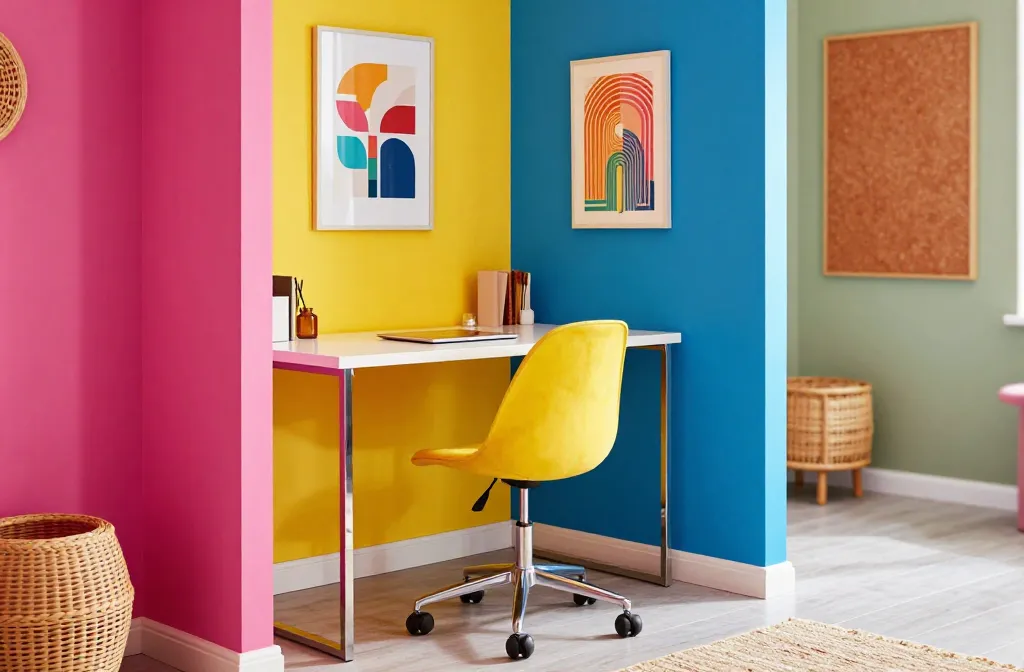
Tips: Favor muted, warm tones like soft blues, greens, and earth tones. Natural textures such as cotton, linen, and wool feel gentler on the skin and nerves. Keep fabrics free of loud patterns that can pull your attention and raise tension.
5. Build a predictable routine that respects your energy

Steps: Create a simple daily rhythm: wake-up, a short movement sequence, a calm break, meals, work blocks, and wind-down. Consistency reduces stress by meeting your brain’s expectations. When you need breaks, take them without guilt—calm rhythms beat chaotic spontaneity for nervous systems.
6. Ground yourself with nature-inspired touches
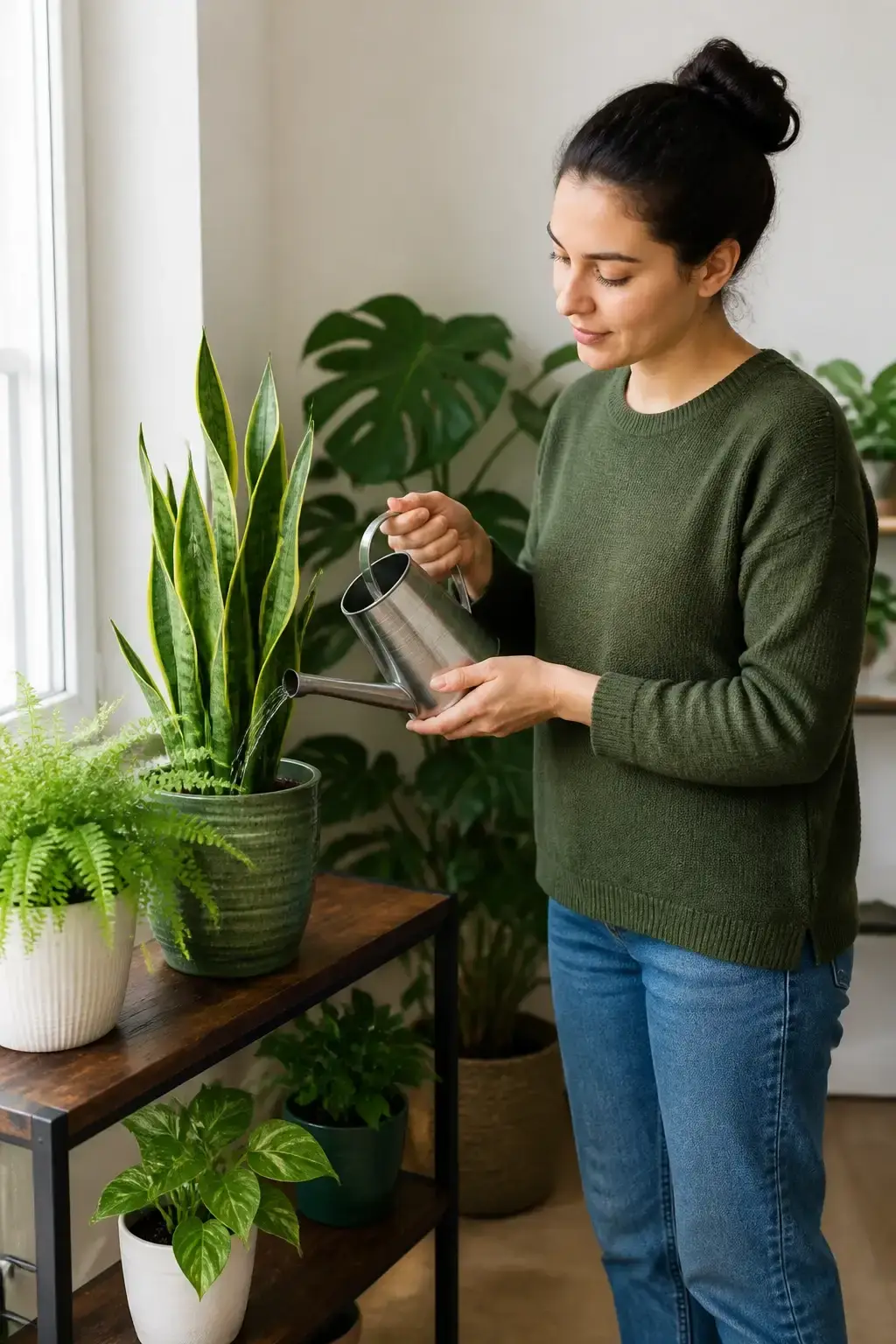
Why it helps: Indoor plants or a small tray of natural elements bring life and rhythm to a room without clutter. Choose low-maintenance greens like snake plants or pothos. Regular watering cues your mind to slow down and notice the present moment.
7. Optimize lighting for comfort and focus
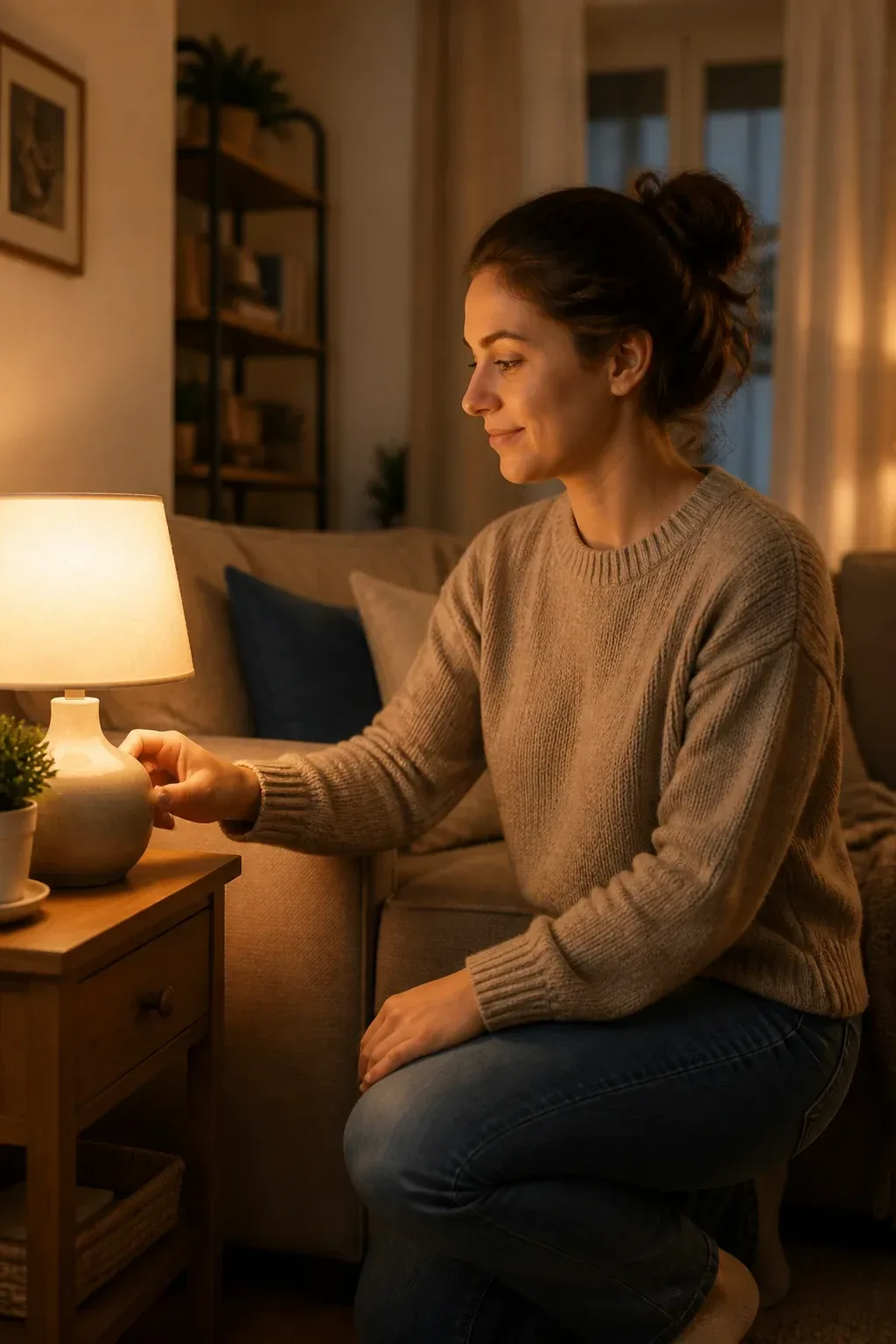
How to: Use layered lighting: a warm main light, a dimmable lamp for evenings, and daylight bulbs that mimic natural light during the day. Avoid harsh overheads and blue-heavy LEDs late at night. Gentle, adjustable lighting makes it easier to unwind or concentrate as needed.
8. Establish a simple cleaning ritual that feels doable
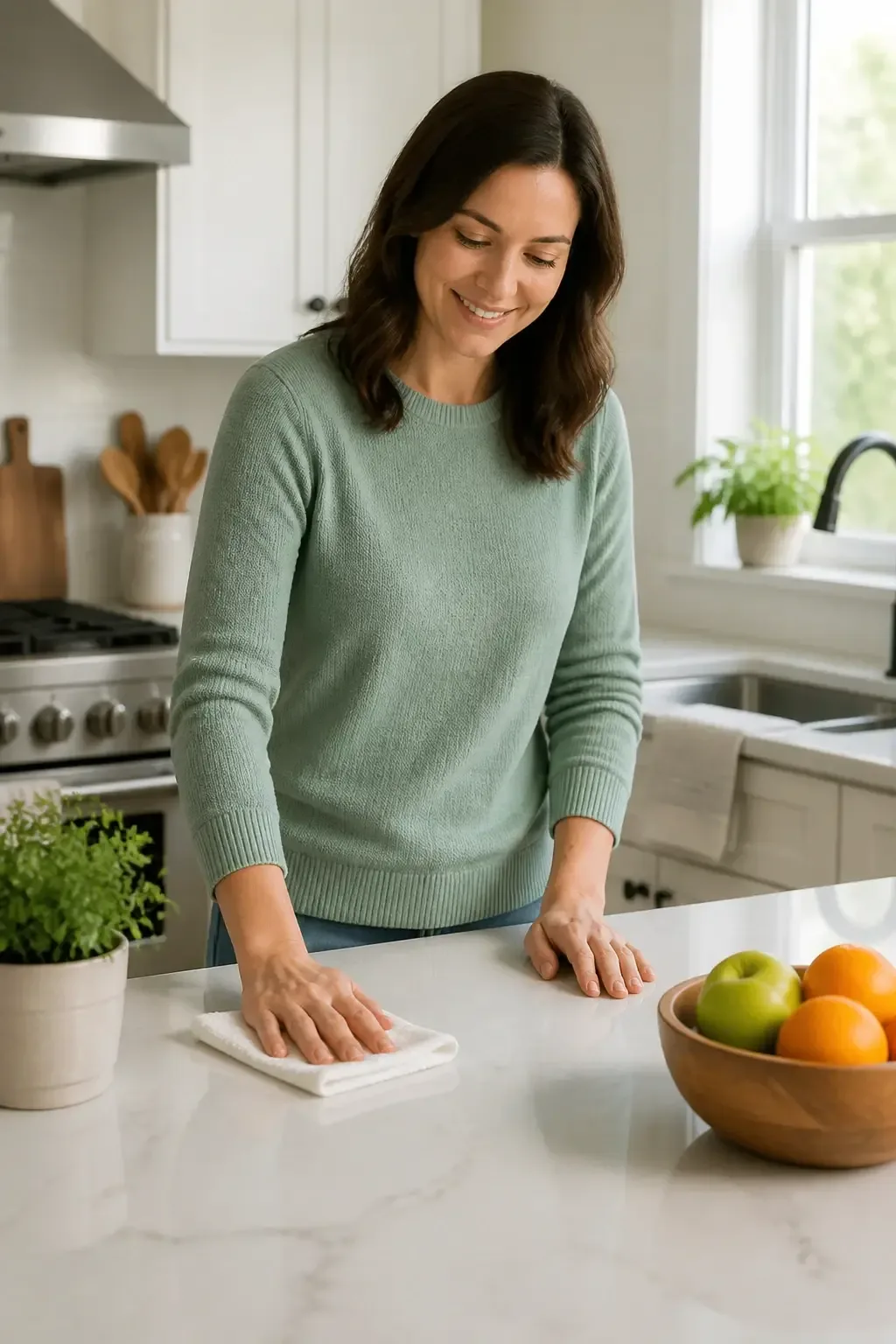
Maintenance tips: Short, regular cleaning sessions beat long, exhausting decluttering binges. Spend 10 minutes daily clearing surfaces, then a deeper tidy once a week. A tidy home reduces the brain’s need to constantly judge the environment, helping you feel safer inside your own space.
9. Create soothing rituals for stress points

Pro tip: Pair small rituals with key times in your day—tea after waking, a 2-minute breathing practice before meals, or a short stretch after work. Rituals cue your nervous system to shift gears from alert to calm, making everyday moments feel more controllable.
10. Put mindful routines into your bathroom and kitchen
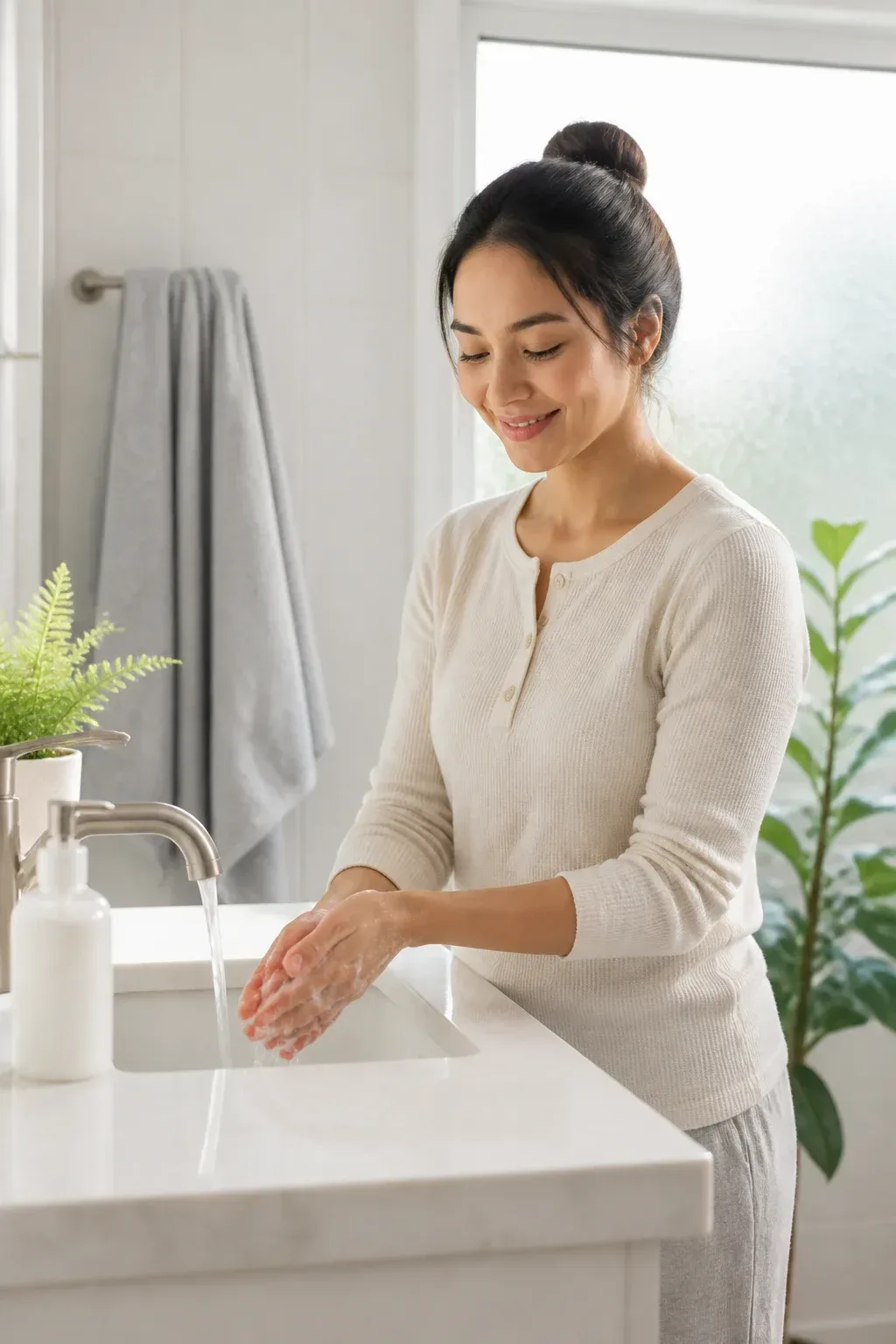
Best for: Everyday self-care. In the bathroom, a warm rinse, a gentle skincare routine, and a quiet minute of mindful breathing can center you. In the kitchen, plan simple, nourishing meals and clean as you cook to keep chaos at bay and support steady energy.
11. Use boundaries and boundaries-friendly tech to protect calm
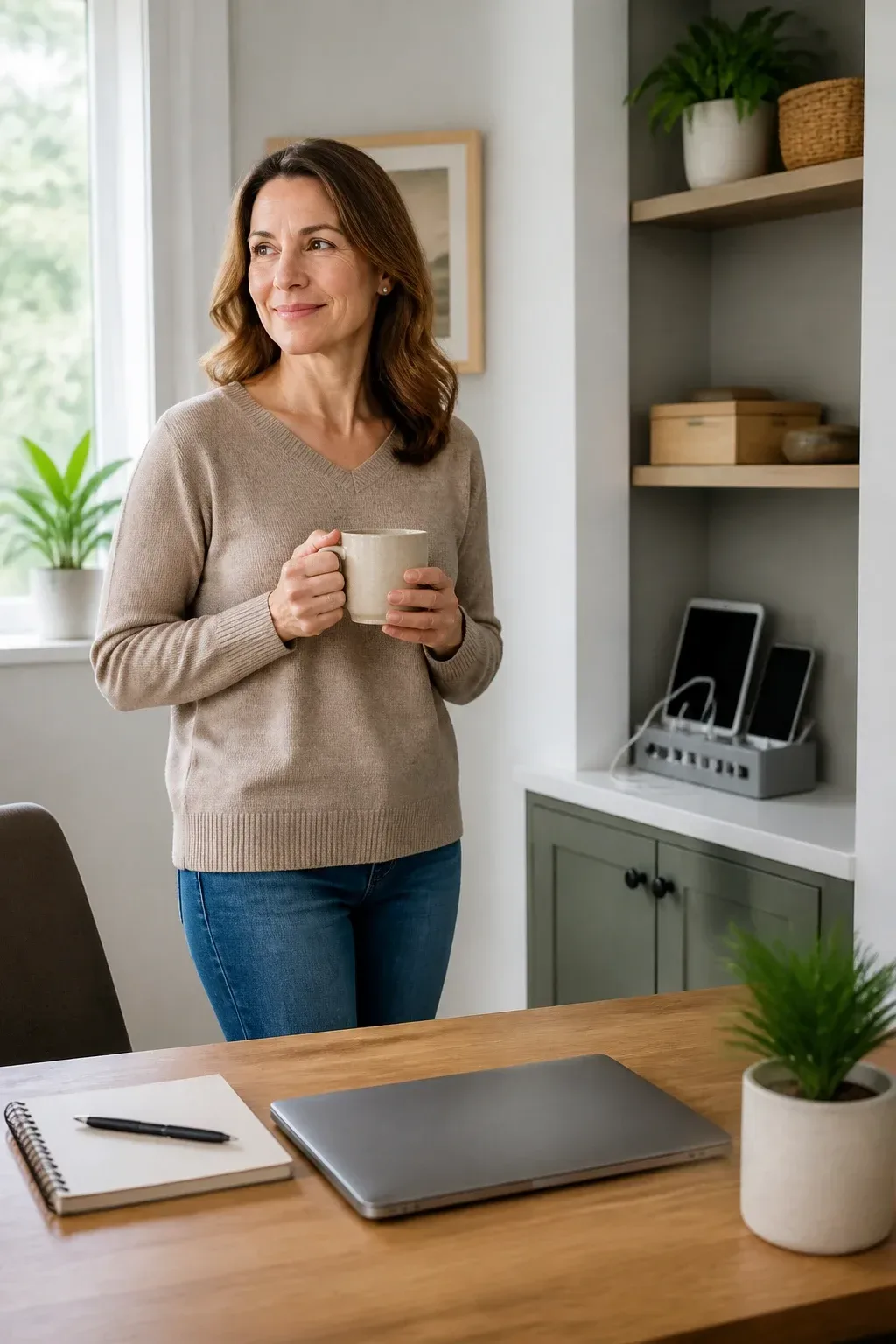
Tips: Set predictable work and personal time blocks, turn off always-on notifications, and keep a charging station away from your main living area. Boundaries help your nervous system distinguish between “work mode” and “home mode,” reducing constant stress signals.
FAQs
What exactly makes a home feel calmer for the nervous system?
Calm at home comes from predictable routines, minimal visual clutter, comfortable textures, gentle lighting, and spaces that invite slow, mindful activities. It’s about reducing sensory overload while keeping enough life and warmth to feel safe and welcoming.
How long does it take to feel calmer after making changes?
Most people notice a difference within a few days to a few weeks, especially if they implement small, consistent steps like daily tidying or a short breathing practice. The key is consistency, not perfection, and giving your body time to adjust to the new rhythm.
Can these ideas work in small apartments?
Absolutely. Start with a single calm zone, a drawer cleanup, and muted lighting. Even tiny changes add up to a more peaceful feel. The goal is to create a sense of safety and predictability, not to overhaul the entire space at once.
What if I share the space with others?
Set shared routines and boundaries that protect quiet times. Try a shared “calm hours” window, use personal spaces for individual rituals, and communicate needs openly so everyone benefits from a calmer home.
Are plants always a good idea for calming spaces?
Plants help by improving air quality and introducing soft, living textures. Choose easy-care varieties if you’re new to plants, and avoid overwatering. If you’re not into plants, nature-inspired decor like textured stones or a calming sand tray can also work well.