
Dreaming of a Homestead? 9 Skills to Cultivate Before You Start
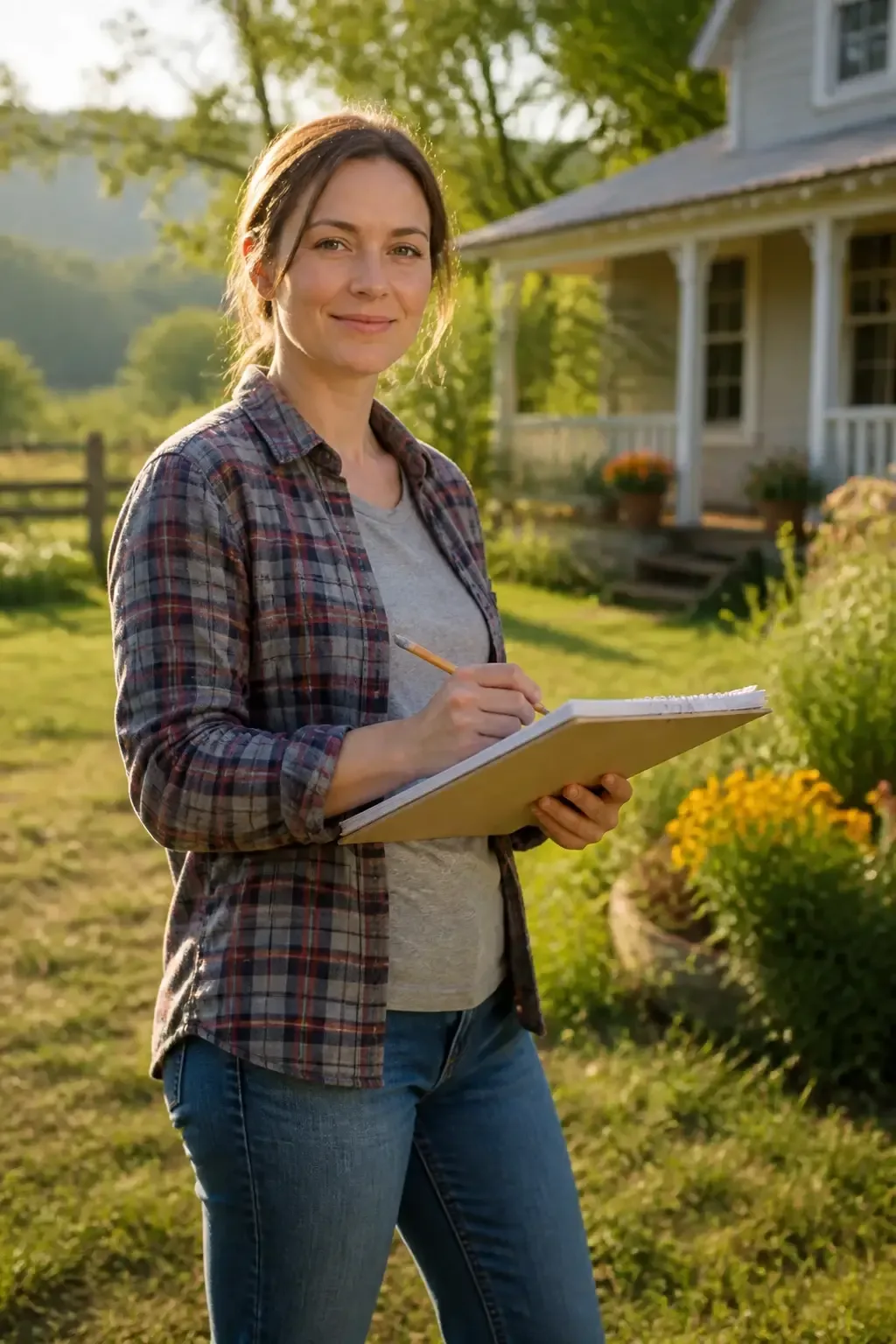
Dreams of a simpler, self-reliant life can spark fast and fierce motivation. But turning that dream into reality takes steady practice and real habits. Here are nine practical skills to build now so your homestead starts strong, not shaky.
1. Planning and Goal Setting
What to know: Good plans turn a dream into steps you can actually take. Start with a simple map: what you want in 1 year, 3 years, and 5 years. Break big goals into small, doable tasks each week. This keeps you moving without feeling overwhelmed and helps you measure progress along the way.
In my own prep, I’ve kept a notebook with a flexible schedule and check-ins. I’ve learned to adjust plans when seasons, money, or family needs shift. The key is to write things down, then review and revise every month. With clear aims, you’ll see steady momentum instead of guesswork.
Why it works: Clear goals create a clear path, which reduces hesitation and makes actions feel meaningful. You’ll save time by focusing on tasks that truly move you forward.

2. Time Management and Routines
What to know: A well-oiled routine turns long goals into daily wins. Build a simple daily rhythm: morning prep, work blocks, breaks, and a wind-down routine. Use a timer or a simple schedule to protect your most important tasks. Consistency beats bursts of effort that fizzle out.
My routine includes a morning reset, a midday check-in, and a short evening review. It helps me avoid procrastination and keeps chores from piling up. You don’t need fancy tools—just a reliable calendar and a few focused blocks each day.
Why it works: Routines reduce decision fatigue and create momentum. Small, steady blocks of work add up to big results over weeks and months.
3. Basic Gardening and Soil Health
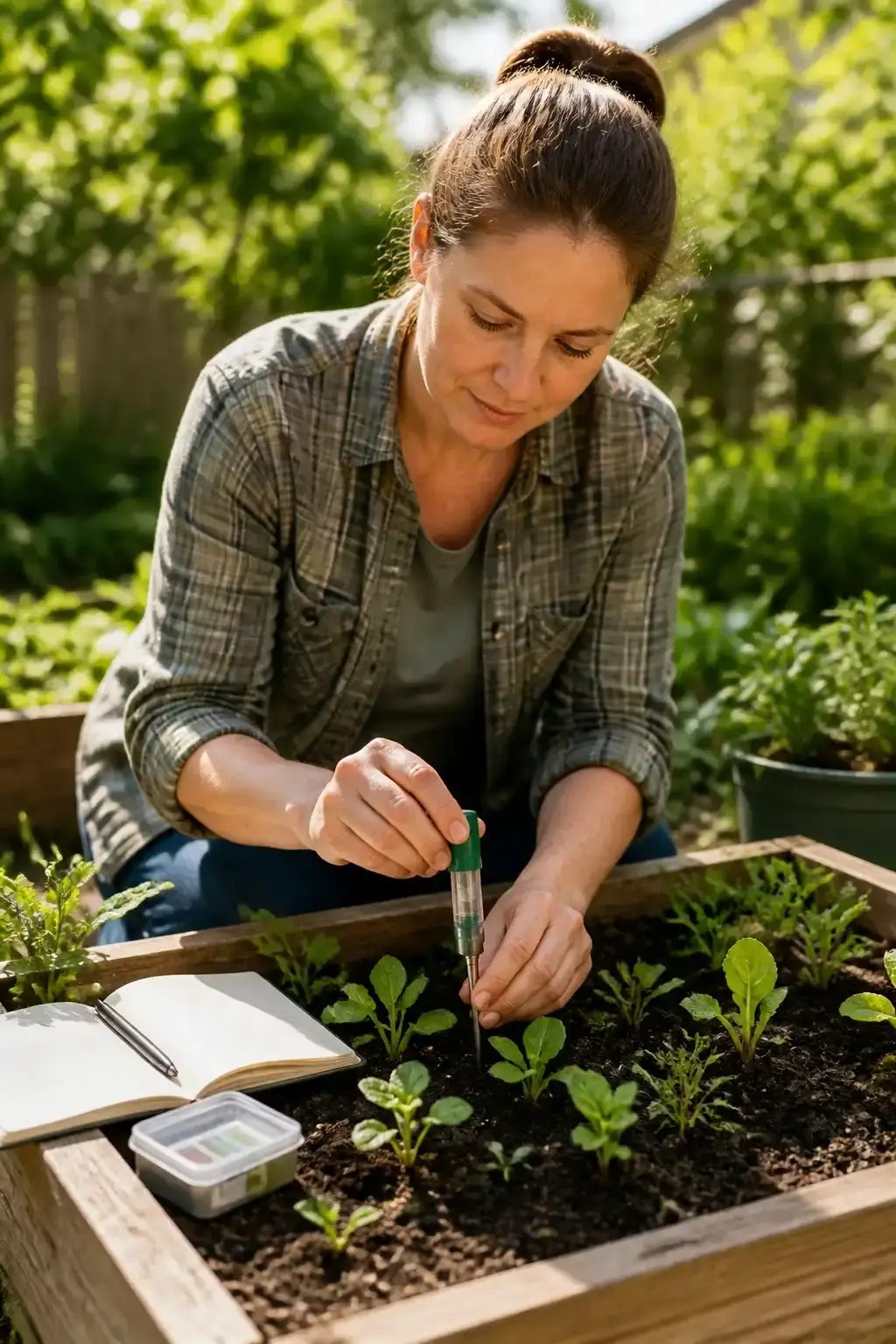
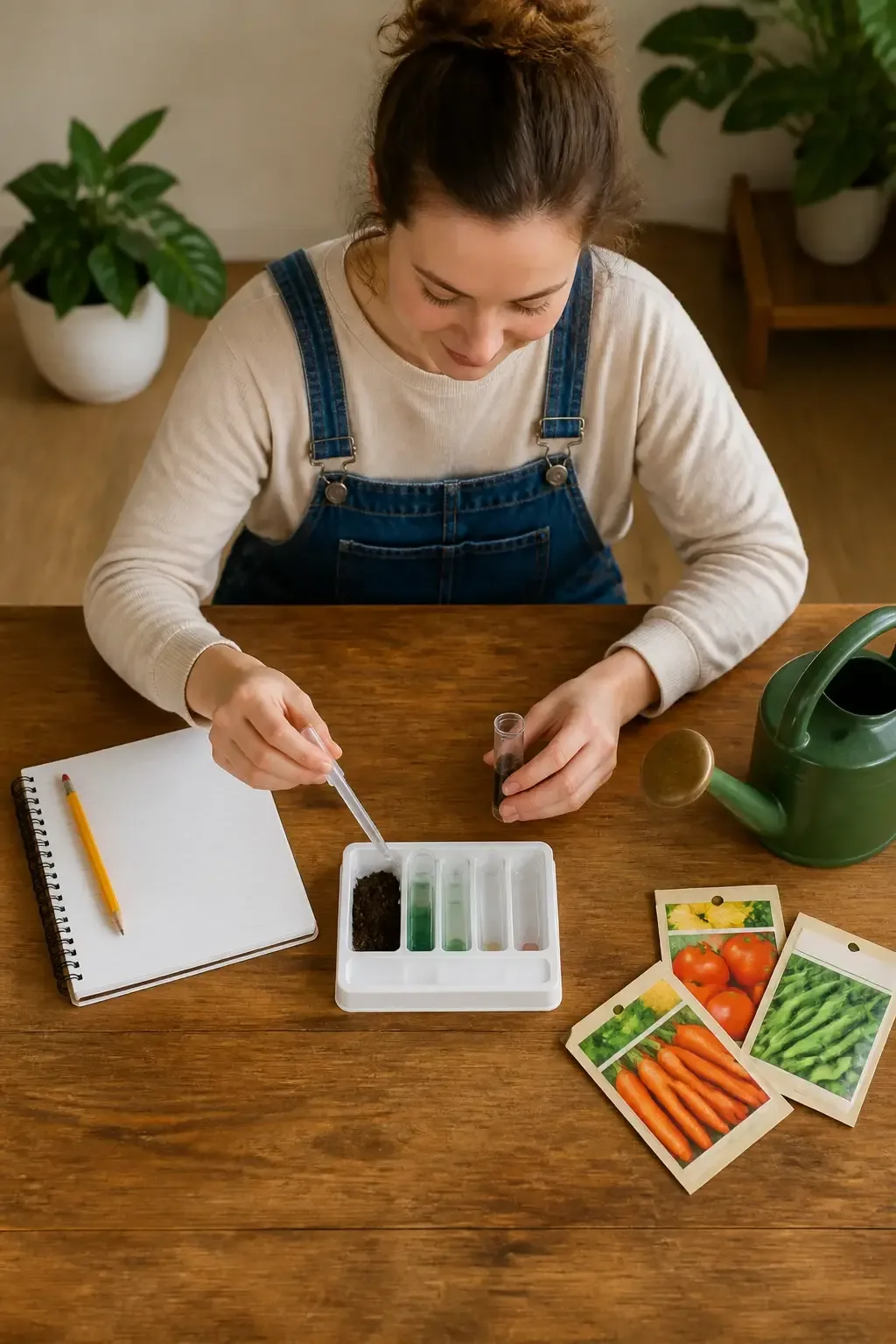
What to know: You don’t need a farm to grow food, but understanding soil and seed timing helps a lot. Start with a few hearty crops and learn by doing. Learn to test soil, compost, and rotate crops to keep soil life thriving.
In practice, I began with a small raised bed and a compost bin. I learned the signs of healthy soil and what plants need in my climate. I keep a simple seed-and-grow calendar and track what works year to year. This keeps harvests consistent and helps you avoid wasted seeds.
Why it works: Healthy soil is the backbone of a productive garden. Small, early wins grow confidence and reduce food costs over time.
4. Food Preservation Basics
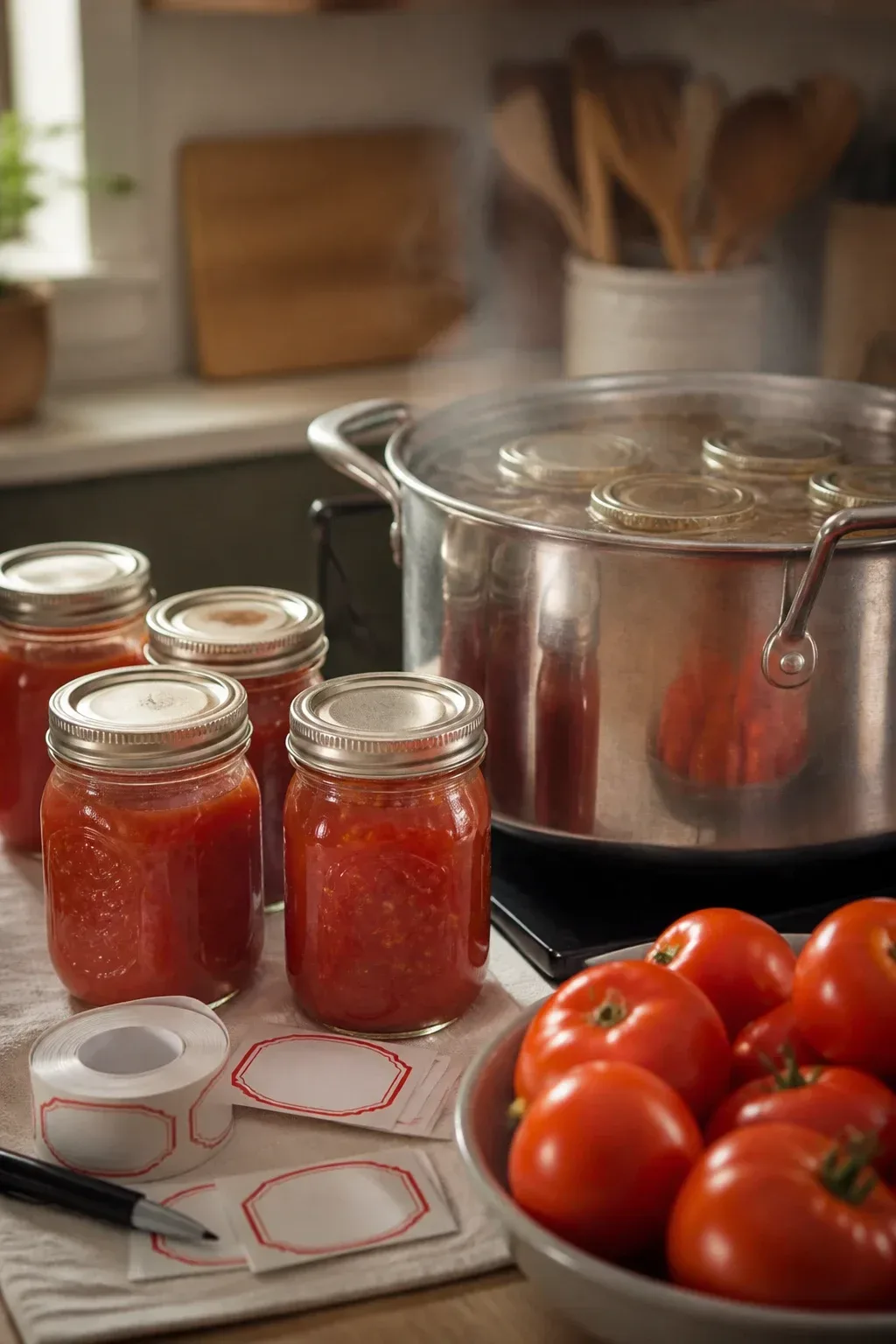
What to know: Preserving excess harvests stretches your food budget and reduces waste. Learn a few safe methods: freezing, canning, drying, and pickling. Start with simple, tested recipes and clean equipment. Label jars or bags so you know what’s inside months later.
My first attempts were small: freezing berries, then pressure canning a few jars of tomato sauce. You’ll make mistakes, but they teach you fast—like adjusting sugar or processing time. A little practice goes a long way toward year-round meals you can trust.
Why it works: Preservation buys you time and food security, even when the garden is not perfect. It also gives you skills you can share with others.
5. Basic Repairs and Handyman Skills
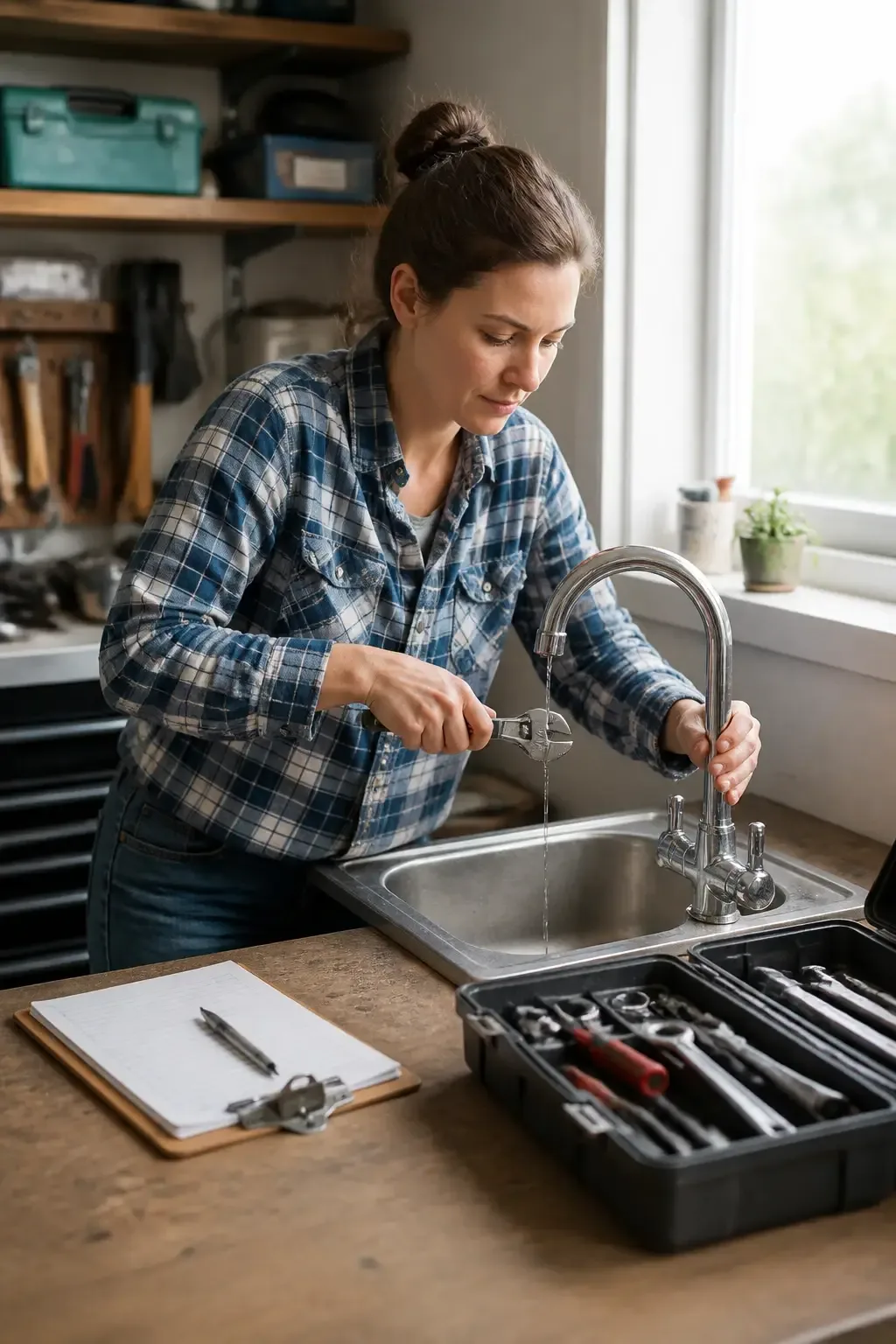
What to know: A home-born homestead relies on simple, reliable fixes. Learn a few key skills: patch a leaky faucet, fix a squeaky hinge, seal drafts, and maintain tools. You don’t need to be a pro—just confident enough to handle the basics. Keep a small toolkit and a plan for parts you’ll need seasonally.
My approach started with a repair list, then I tackled items one by one. I keep notes on what worked and what didn’t, so future repairs go smoother. Sharing the load with family also builds a sense of teamwork and pride in the space.
Why it works: Being able to mend things saves money and time, and it builds resilience against minor crises. Small repairs prevent bigger, costlier problems later.

6. Self-Care, Mindfulness, and Stress Management
What to know: A homestead can be physically demanding, so caring for your mental and emotional health matters. Establish short daily practices: a moment of quiet, a breathing exercise, or a short walk. Sleep, nutrition, and regular movement support steady energy for chores and projects.
In practice, I keep a simple morning ritual and a 10-minute evening wind-down. I notice stress signals early and address them with a quick reset activity. This isn’t about perfection—it’s about staying balanced so you can show up for your land and family.
Why it works: Wellness practices protect your long-term motivation. When stress stays in check, you’ll think more clearly and act more steadily.

7. Relationship Skills and Community Building
What to know: A thriving homestead often depends on good relationships. Practice clear communication, share responsibilities, and build a network of neighbors, friends, and mentors. A strong support circle helps with labor, advice, and social connection. Don’t forget to set healthy boundaries and ask for help when needed.
My approach has been to schedule regular check-ins with family and a neighbor trade system for labor. It’s amazing how a few shared meals or a cooperative project can turn a tough week into a collaborative win. Relationships keep you motivated and connected to the land you’re nurturing.
Why it works: Community reduces isolation and makes learning faster. People often share resources and wisdom that you can’t find alone.
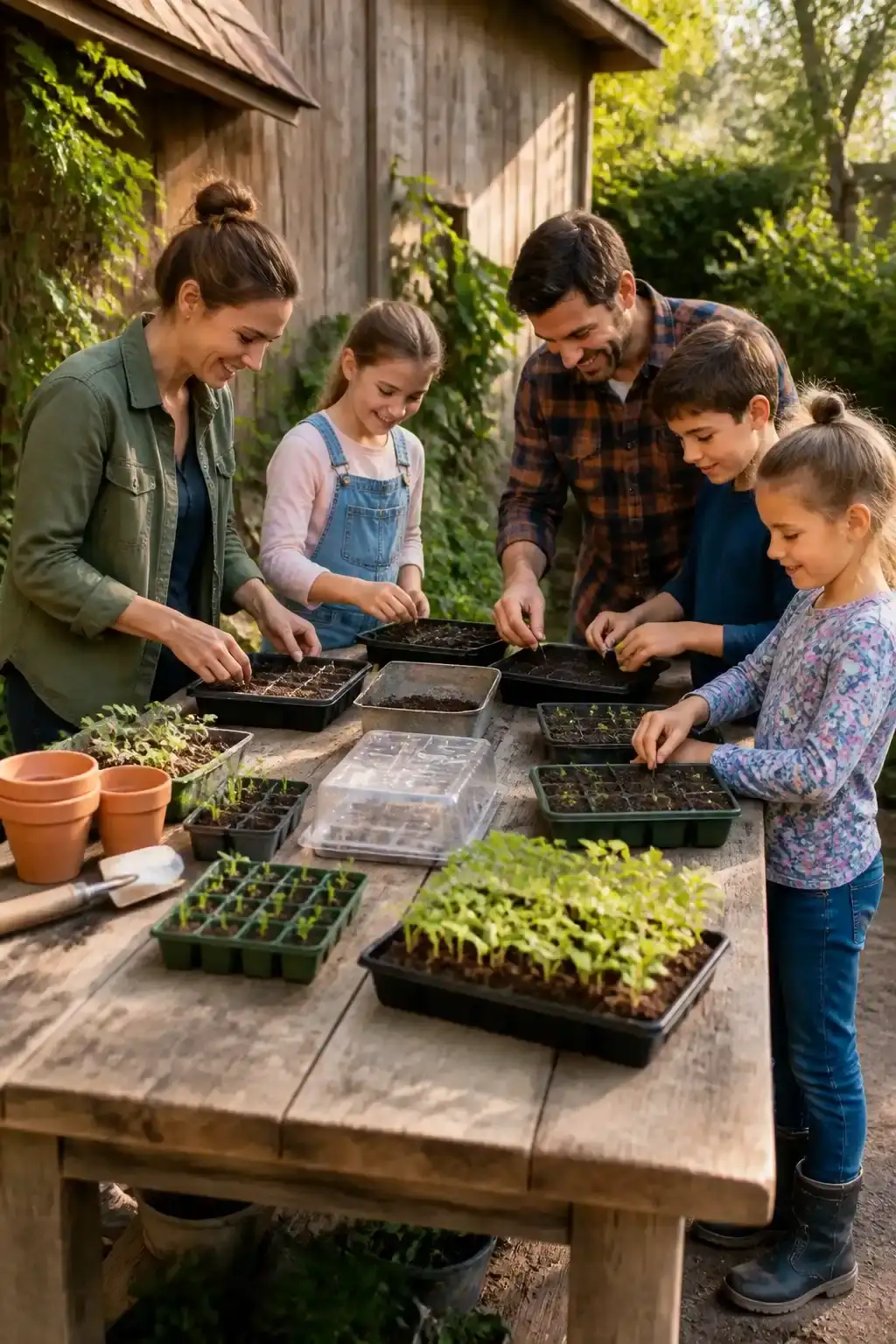
8. Cleaning, Organization, and Space Management
What to know: A tidy space makes work lighter and safer. Develop a simple cleaning routine and smart storage ideas. Label bins, group tools by function, and keep a small maintenance checklist. A clean, organized home and shed save time and reduce stress during busy seasons.
Early on I set up a central space for tools and a weekly clean-up ritual. It’s much easier to find what you need when it’s where it belongs. The result is a calmer environment that supports daily chores and longer projects alike.
Why it works: Good organization reduces missteps and saves energy. You’ll have more room to dream and more confidence to act.
9. Budgeting, Earning, and Frugal Living
What to know: Money matters shape what you can build. Create a simple budget that tracks income, expenses, and seasonal costs. Look for low-cost tools, second-hand supplies, and small side gigs that fit your skills. Plan for big purchases and keep an emergency fund for upkeep and repairs.
My method is a monthly money check-in, with a separate envelope for seed, tools, and building materials. I also look for opportunities to barter or trade skills with neighbors. A practical money plan helps you stay committed and reduces stress when plans change with the weather.
Why it works: Financial clarity keeps projects moving and prevents burnout. It also lets you invest wisely in what truly matters on your homestead.
FAQs
What is the first skill to learn when starting a homestead?
Begin with planning and goal setting. Clear goals give you a roadmap and help you stay motivated as you tackle hands-on tasks like gardening and basic repairs.
How long does it take to see results from these skills?
Results vary by person and climate, but you’ll notice steady progress within a few months. Consistency matters more than intensity—small, regular efforts build durable habits.
Do I need a lot of money to start?
No. Start small with what you have, reuse what you can, and learn area-specific skills. Frugal planning and smart scheduling often yield the most impact before big purchases.
How can I stay motivated during setbacks?
Keep a visible progress log, celebrate small wins, and lean on your support network. Break problems into tiny steps and allow yourself rest when needed to avoid burnout.
Starting a homestead is a marathon, not a sprint. Each skill you cultivate adds a layer of confidence and capability, helping you navigate seasons of plenty and lean alike. Take one action this week—plant a seed, fix a leak, or map out a simple schedule—and you’ll feel the momentum grow.