7 Designer Bed Styling Secrets That Instantly Upgrade Your Bedroom

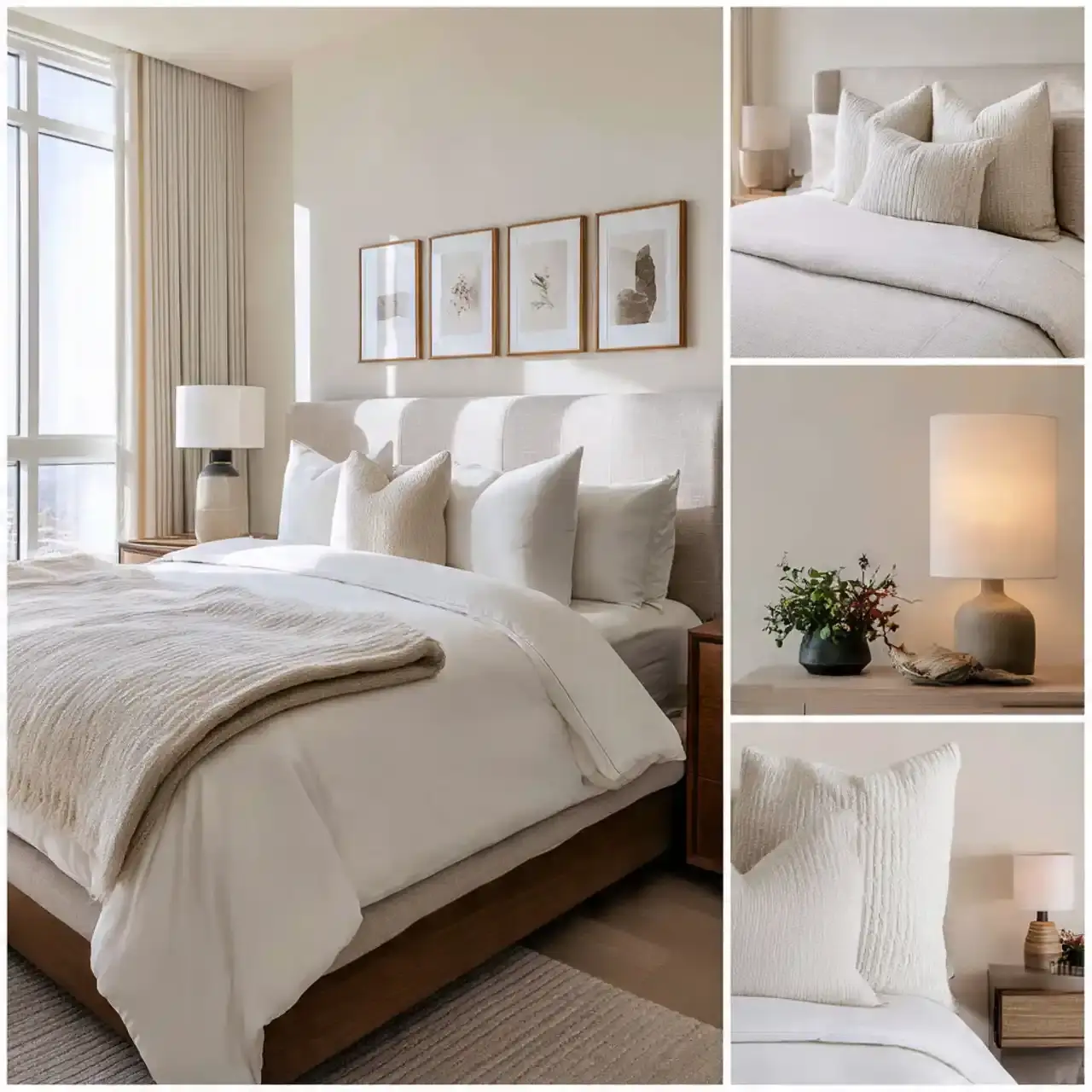
A well-made bed has the power to change how an entire bedroom feels. Designers know that the bed is the heart of the space, and when it looks calm, comfortable, and thoughtfully styled, the room instantly feels more inviting. The good news is that you do not need luxury bedding or professional training to make your bed look designer-level. What truly matters is understanding the order, balance, and small details that designers pay attention to every single time.
Many people think a designer bed means dozens of pillows or expensive linens, but that is not true. Designer beds focus on comfort first, then style. They look soft, welcoming, and easy to sink into, not stiff or overdone. With a few simple steps and the right mindset, you can create a bed that feels like a high-end hotel or a calm retreat at home. These seven easy steps break down exactly how designers do it, in a way that is realistic for everyday life.
Step 1: Start With the Right Foundation (Mattress, Protector, and Fitted Sheet)
Designers always start with what you do not see first: the foundation. A good mattress that supports your body properly makes a bed look and feel better immediately. Even the most beautiful bedding will not sit right on a worn-out or sagging mattress. A mattress protector is also important, not just for hygiene but for keeping the bed looking smooth and fresh.
Once the foundation is right, the fitted sheet comes next. Designers choose fitted sheets that fit snugly around the mattress without excess fabric bunching at the corners. A smooth fitted sheet creates a clean base that makes every other layer look more polished. Neutral colors like white, cream, or soft gray work best because they feel fresh and timeless.
Designer Tip: If your fitted sheet wrinkles easily, pull it tight from all corners before adding anything else. This small step instantly makes the bed look neater.
Step 2: Add a Flat Sheet the Designer Way
Many people skip the flat sheet, but designers almost never do. A flat sheet adds both comfort and structure to the bed. It creates a smooth layer between you and the duvet, and it helps the bed look more layered and intentional. Designers usually tuck the flat sheet neatly at the bottom while leaving the top loose so it can fold naturally over the duvet.
The key here is alignment. The top edge of the flat sheet should sit evenly across the bed, with the same amount showing on both sides. This symmetry creates a calm, balanced look. Designers prefer flat sheets in the same color family as the fitted sheet to keep the bed cohesive.
Designer Tip: Fold the top of the flat sheet over the duvet by about six inches for a soft, hotel-style finish.
Step 3: Choose a Duvet That Looks Full, Not Flat
A designer bed always has a duvet that looks plush and inviting. The secret is not the cover—it is what goes inside. Designers choose duvet inserts that are slightly fuller than the duvet cover so the bed looks fluffy instead of limp. A flat duvet instantly makes a bed look cheap, no matter how nice the fabric is.
The duvet should sit evenly across the mattress, covering the sides without dragging on the floor. Designers avoid overly stiff duvets because they look unnatural. Instead, they prefer duvets that drape softly and respond to movement.
Designer Tip: Using a duvet insert one size larger than your mattress gives instant fullness and makes the bed look luxurious.
Step 4: Layer Bedding for Comfort, Not Perfection
Layering is where a bed starts to feel designer-level. But designers layer for comfort first, not for looks alone. The goal is to make the bed look like it was made for sleeping, not just for photos. This means layering pieces that feel soft, breathable, and practical.
Designers often add a lightweight coverlet or quilt between the sheets and the duvet. This extra layer adds depth and makes the bed more functional throughout the year. In warmer months, the duvet can be folded down while the coverlet stays in place.
Designer Tip: Choose layers with different textures—smooth sheets, a soft quilt, and a plush duvet—to create visual interest without adding color.
Step 5: Master Pillow Styling Without Overdoing It
Pillows are one of the most misunderstood parts of bed styling. Many people think more pillows equal better style, but designers know that balance matters more than quantity. A designer bed usually starts with sleeping pillows placed neatly at the back. These pillows are often stacked or stood upright to create height.
Next come decorative pillows, which are used sparingly. Designers prefer two or three well-chosen pillows instead of many small ones. The pillows should complement the bedding rather than compete with it. Soft colors and subtle textures work best.
Designer Tip: If you dislike removing pillows at night, style the bed with only the pillows you actually use.
Step 6: Use a Throw or Coverlet to Add Depth
A throw or coverlet is one of the easiest ways to make a bed look styled. Designers usually place it across the lower third of the bed or neatly folded at the foot. This adds contrast and warmth without overwhelming the space. The throw also breaks up large areas of solid color, making the bed more visually interesting.
Texture is more important than pattern here. Knitted throws, linen coverlets, or lightly quilted fabrics work beautifully. Designers avoid overly bold patterns because they can distract from the calm feel of the bed.
Designer Tip: Slightly imperfect folds look more natural than tightly tucked edges.
Step 7: Stick to a Calm, Cohesive Color Palette
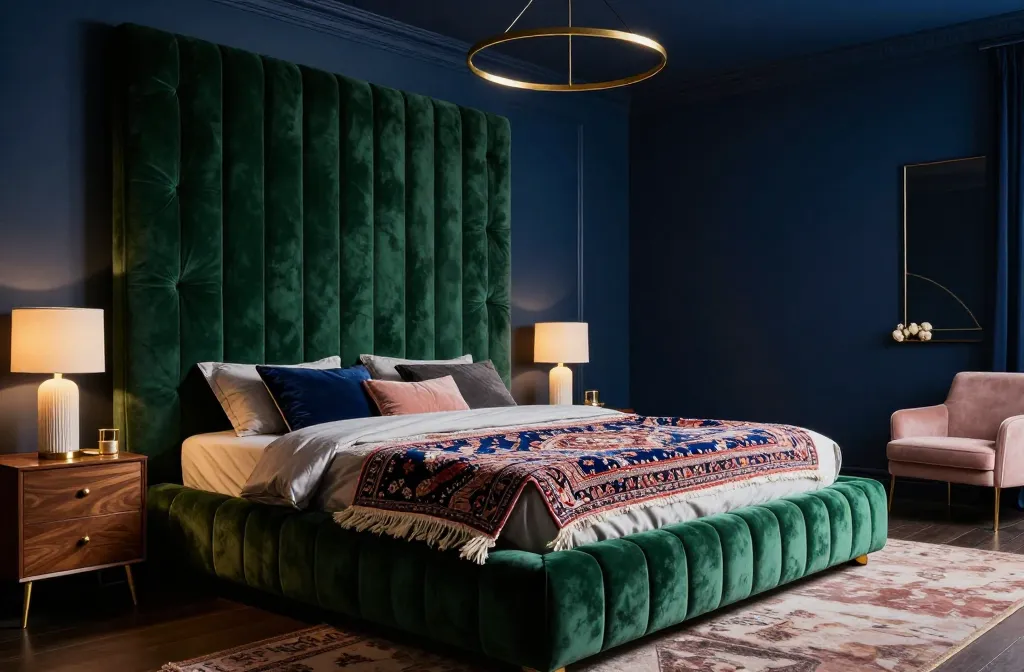
Designer beds almost always follow a controlled color palette. This does not mean everything has to be white, but the colors should feel connected. Soft neutrals like beige, cream, warm gray, and muted earth tones are common because they promote rest and relaxation.
Too many colors can make a bed feel busy and stressful. Designers typically choose one main color, one supporting neutral, and one subtle accent. This keeps the bed looking calm and expensive.
Designer Tip: If you want color, add it through texture rather than bold shades.
Step 8: Pay Attention to Symmetry and Balance
Symmetry is one of the biggest reasons hotel beds look so polished. Designers align pillows, center duvets, and make sure both sides of the bed look balanced. This does not mean the bed has to be perfectly stiff, but it should feel intentional.
Even small details like matching pillow placement or equal duvet overhang can make a big difference. Balance helps the eye relax, which is why symmetrical beds feel so calming.
Designer Tip: Always step back and view the bed from the doorway to check balance.
Step 9: Keep the Bed Looking Fresh Every Day
A designer bed is not made once and forgotten. Designers maintain the look by making small daily adjustments. Shaking out the duvet, fluffing pillows, and smoothing sheets takes less than two minutes but makes a huge impact.
This daily habit keeps the bed looking inviting and prevents wrinkles from settling in. It also helps the room feel clean and cared for.
Designer Tip: Pull the duvet up evenly each morning before adding pillows.
Step 10: Avoid Over-Styling
One of the biggest mistakes people make is trying too hard. Designer beds never look overdone. They feel relaxed, soft, and welcoming. Too many pillows, heavy patterns, or stiff folds can make the bed feel uninviting.
Designers want beds to look like someone actually sleeps there. A slightly undone look feels more natural and comfortable.
Designer Tip: If something feels unnecessary, remove it.
Step 11: Choose Bedding That Feels Good on Your Skin
Designers always consider how bedding feels, not just how it looks. Natural fabrics like cotton, linen, and bamboo are popular because they breathe well and feel comfortable year-round. When bedding feels good, it naturally looks better because it drapes and moves easily.
Scratchy or stiff fabrics tend to wrinkle oddly and make the bed look less inviting. Comfort always shows visually.
Designer Tip: Focus on fabric quality before thread count.
Step 12: Let the Bed Match the Mood of the Room
A designer bed always feels connected to the rest of the bedroom. The colors, textures, and overall vibe should match the room’s style. A calm bedroom calls for soft bedding, while a modern room might support cleaner lines.
Designers never style the bed in isolation. They consider wall color, lighting, and furniture when choosing bedding.
Designer Tip: Look at your bedroom as a whole before styling the bed.
Step 13: Lighting Matters More Than You Think
While lighting is not part of the bed itself, it affects how the bed looks. Soft, warm lighting makes bedding appear more inviting. Harsh overhead lights can make even the best bed look flat.
Designers rely on bedside lamps, wall lights, or soft ambient lighting to enhance the bed’s appearance.
Designer Tip: Use warm bulbs to highlight textures.
Step 14: Adjust for Seasons Without Starting Over
Designer beds change subtly with the seasons. In warmer months, they feel lighter and more breathable. In cooler months, layers feel richer and warmer. The base stays the same, but textures shift.
This approach keeps the bed feeling fresh without constant spending.
Designer Tip: Swap throws and coverlets seasonally.
Step 15: Make It Personal, Not Perfect
Finally, designers always leave room for personality. A bed should reflect the person who sleeps in it. Whether that means a favorite texture, a subtle color, or a relaxed fold, personal comfort matters most.
A bed that feels right to you will always look better than one styled only for appearance.
Designer Tip: Comfort always comes before trends.
Conclusion
Making a bed like a designer is not about rules or expensive products. It is about understanding how layers, balance, texture, and comfort work together. When you focus on clean foundations, thoughtful layering, and simple daily habits, the bed naturally looks better. Designers aim for calm, not perfection. With these steps, your bed can feel welcoming, restful, and beautifully styled every single day.