21 Paver Patio Ideas Layout + Square Paver Patio Ideas for Modern Outdoor Spaces Unveiled
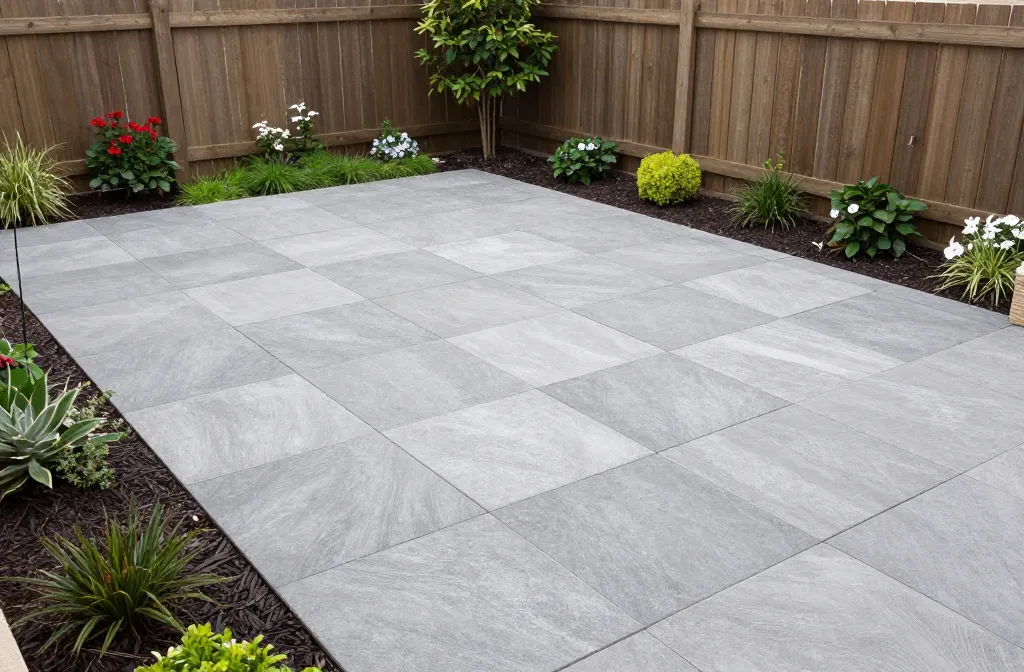
There’s nothing quite like a paver patio to turn your outdoor space from meh to wow. We’re talking clean lines, durable vibes, and layouts that actually make you want to hang outside past sunset. If you’ve ever stared at a boring slab and wished for something with personality, you’re in the right place. Let’s dive into 21 paver patio ideas that bring style and practicality together—plus some square patio layouts that feel modern and fresh.
Why pavers? Because decisions should feel intentional, not temporary
Pavers give you flexibility, texture, and the ability to swap pieces without rewriting the entire deck plan. They handle rain like a champ and you can mix colors to echo your house, yard, or mood. FYI, a good layout isn’t just about looks; it guides traffic, defines zones, and prevents puddles from becoming a daily annoyance.
Square paver patio ideas that scream modern and minimal
Square pavers create a sleek, contemporary canvas. They’re tidy, versatile, and surprisingly forgiving for beginners who want a polished look without making their brains hurt.
1. Clean grid with a bold border
– Use uniform square pavers in a light, neutral tone.
– Add a darker border to frame the space and anchor seating zones.
– Keep furniture minimal to let the grid shine.
Why it works: sharp lines, clean transitions, and zero guesswork when laying out seating.
2. Ultra-tight 1:1 grid with a central focal point
– Choose two or three complementary colors and alternate in a precise checkerboard or stepped pattern.
– Place a fire pit or a water feature as the central anchor.
– Add low-profile furniture to keep the pattern visible.
Why it works: a modern sculpture vibe that doubles as a practical social hub.
Mix-and-match square layouts for personality
Not every modern space wants a perfect grid. Here’s how to blend square pavers with flair while keeping the vibe cohesive.
3. Subtle color blocks within the square canvas
– Start with a neutral base of light gray squares.
– Introduce a few darker squares to create “islands” that guide traffic.
– Keep paths narrower to emphasize the primary seating zone.
Why it works: it feels intentional without shouting “design statement.”
4. Diagonal squares meeting straight lines
– Lay some squares diagonally to break the rigidity.
– Use inset planters or a seating nook at the diagonal intersection.
– Edge with a continuous coping to keep lines clean.
Why it works: dynamic movement that still reads modern and organized.
How to create the illusion of more space with square pavers
Small yards? Try these tricks to stretch the feel of your outdoor room.
5. Narrow runways and a central plaza
– Create two parallel running strips of pavers that lead to a central open plaza.
– The negative space around the plaza reads as air, not squashed lawn.
Why it works: perspective tricks your eye into perceiving more room.
6. Larger pavers framing a compact seating area
– Use bigger squares around a tight seating cluster.
– The scale contrast makes the space feel expansive even if it’s not.
Why it works: proportion is your best friend when space is tight.
Creative patterns that still keep things modern
Pattern matters almost as much as color. Here are ideas that feel current and fresh.
7. Stack bond with a twist
– Stack bond lays pavers in offset courses for subtle texture.
– Introduce an inch-wide grout line in a contrasting color for a punch.
Why it works: it looks carefully curated without being fussy.
8. Herringbone or basket weave accents
– Reserve a border or a smaller center area for a herringbone or basket weave.
– Keep the rest of the patio in a simpler square grid to avoid clutter.
Why it works: timeless patterns that stay relevant as trends come and go.
Functional layouts that feel effortless
A modern patio isn’t just about looks; it has to work for real life.
9. Zone it with subtle elevation changes
– Add a step or a slightly raised platform to separate dining from lounging.
– Use the change in height to your advantage with planters or a fire pit.
Why it works: natural flow without relying on screens or tall dividers.
10. Double seating banks for conversation corners
– Create two parallel rows of seating facing each other.
– Leave a clear path down the middle for easy foot traffic.
Why it works: invites chat, makes socializing effortless.
Square patio ideas that pop with texture and contrast
Texture can be your secret weapon. Mix matte, glossy, and textured pavers to add depth.
11. Light speckled pavers with a satin finish
– Use speckled colors to hide dirt and add character.
– Pair with weathered wood furniture for a balanced look.
Why it works: low maintenance meets high personality.
12. Dark pavers with light accents
– Choose near-black pavers and insert a few light-toned squares for contrast.
– Frame with white or pale trim to keep things from looking too heavy.
Why it works: bold, modern, and surprisingly forgiving at street level.
Maintenance-smart choices for lasting impact
Modern outdoor spaces should stay pretty with minimal drama. Here are practical tips.
13. Pick the right base and joints
– Use a solid bed of compacted base material.
– Choose polymeric sand or epoxy joints for durability and weed control.
Why it works: fewer headaches, more patio time.
14. Sealers and cleaning routines
– A light sealer can protect color and curb staining.
– Quick cleanups with a stiff broom and mild soap keep things fresh.
Why it works: your future self will thank you for minimal scrubbing.
Kid and pet-friendly angles you’ll actually love
Yes, you can have style and practical durability.
15. Non-slip textures for safety
– Favor textured surfaces on walkways and play zones.
– Avoid overly slick finishes near water features.
Why it works: peace of mind keeps you outdoors longer.
16. Hidden storage and multi-use corners
– Build benches with hollow rests for kids’ toys or pool gear.
– Include a small storage lid that blends with the paver color.
Why it works: clean spaces that don’t look cluttered once the kids pack up.
FAQ
What’s the easiest square paver layout for a beginner?
Pave a simple grid with a single color and a darker border. It’s forgiving, quick to lay, and looks intentionally modern.
Can square pavers be used for curved patios?
Absolutely. You can use smaller square segments to approximate gentle curves or mix in a few curved-edge segments. It keeps the modern vibe without forcing a straight line.
How do I choose colors for a square patio?
Pick a base color that matches or complements your exterior. Add one or two accent shades for depth. If you want symmetry, repeat your color palette across borders and planters.
Do I need professional help for installation?
It depends on your DIY tolerance. A basic grid can be a solid weekend project. Larger, more complex layouts or slopes benefit from pros to avoid sinking or uneven joints.
What about drainage with square paver layouts?
Plan for a slight slope away from the house (about 1/4 inch per foot). Use weep holes or a designed slope in your base to keep water from pooling.
Conclusion
There you have it—the best square paver patio ideas to give your outdoor space a modern, grounded feel. Whether you’re leaning into a strict grid or a more playful mix-and-match layout, the right pattern plus smart spacing can transform your backyard into a no-brainer hangout. So grab your tape measure, pick your color story, and start sketching. FYI, the most stunning patios aren’t born from perfection—they’re born from intention, a dash of patience, and a little bit of bravado in choosing the right pattern. Ready to lay something cool? Let’s do it.