Stop Hoarding Clothes Today: The Ultimate Wardrobe Decluttering Guide
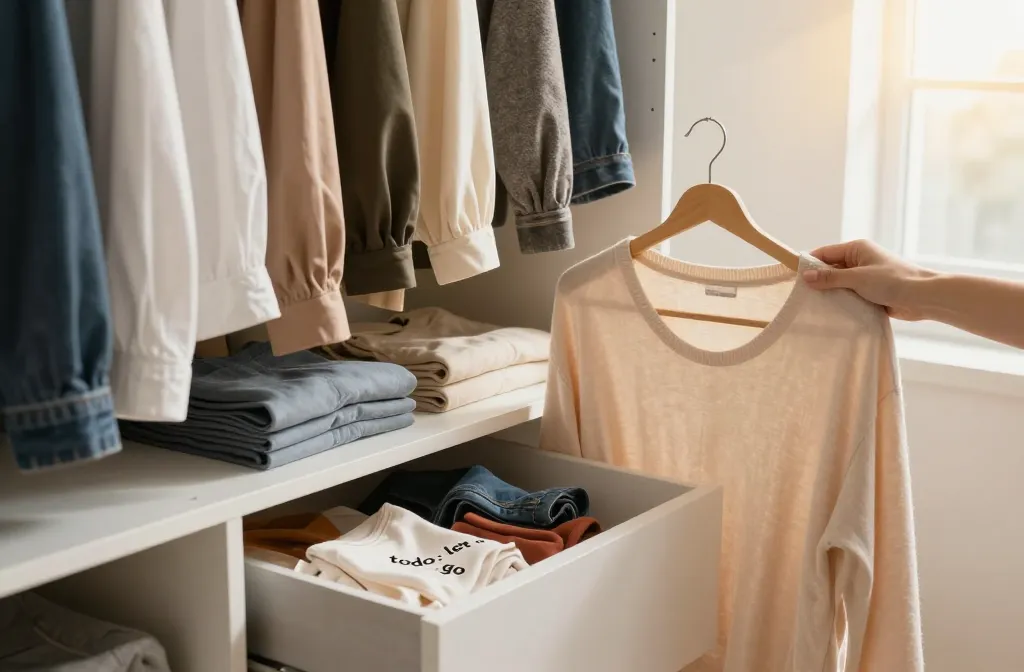
I’m calling it: it’s time to stop hoarding clothes today. You’ve got a closet that’s basically a museum of “one day I’ll fit into this” and a WhatsApp storage drawer full of receipts from last season that you’ll never look at again. Let’s cut the fluff, grab a bottle of water, and get your wardrobe under control in a way that actually sticks.
Why cling to clutter in the first place?
We all know the excuses. It’s comfy, it’s familiar, and maybe—just maybe—you’ll need that vintage tee someday. The problem? Clutter costs mental energy. When you open the closet and there’s a heap of “maybe someday,” your brain registers a subtle, daily nag. FYI, a tidy space can boost mood, save time, and even shave minutes off your morning routine. Spoiler: you don’t need to become a minimalist monk to win this.
First pass: what to KEEP, what to LET GO
This is the moment of truth. Approach with honesty and kindness to yourself.
- Keep items you wear at least once every 3–6 months, fit well, and make you feel confident.
- Let go of clothes that are damaged beyond simple repair, never fit again, or no longer match your lifestyle.
- Consider seasonal rotation—do you actually wear winter stuff in July? If not, store it out of sight.
Quick-fire test for items
- Has it stayed in the back of the closet for a year without getting worn?
- Would you buy it today if you saw it on a rack?
- Does it spark joy (or at least make you feel human)?
Sort like a pro: practical methods that actually work
You don’t need a three-hour marathon. Pick one method and go.
- Two-bag method — one bag for keep, one for donate/sell. Anything you’re unsure about goes into the maybe bag for a week. If you don’t reach for it, it leaves.
- One-in, one-out rule — for every new item, remove one old item. It keeps the volume steady and prevents a fresh avalanche.
- Sections, not piles — divide by category (tops, bottoms, outerwear, shoes). Declutter each section, then store with intention.
Storage tweaks that actually help
- Use slim velvet hangers to save space and keep things from slipping.
- Store off-season items in labeled bins or under-bed boxes to free up easy-to-reach space for daily wear.
- Fold heavy knits to preserve shape; hang delicate fabrics to avoid shoulder dimples.
Shipping out the stuff you don’t want
Let’s not pretend the donate box is a myth. Actually drop-off points exist, and you’ll feel lighter for it.
- Donate gently used items to local charities or shelters.
- Sell pieces that still have value on platforms like resale apps or consignment stores.
- Recycle where possible—textile recycling programs can take worn fabrics that you can’t rehome.
What to donate vs. what to sell
– Donate: basics in good condition, seasonally appropriate pieces, clothing that fits someone else now.
– Sell: name-brand items, items in excellent condition, pieces with demand (think trendy jackets, premium denim, or vintage gems).
Closet audit: a bite-sized checklist you can actually finish
This isn’t a weekend triathlon; it’s a focused audit you can do in short sprints.
- Clear a 20-minute window. No excuses.
- Pull each category, evaluate, and make a quick decision.
- Label bins and hangers as you go so future decisions stay crisp.
- Celebrate tiny wins—this is progress, not perfection.
Deeper dive: tackling sentimental items
We all have something that reminds us of a moment. If it’s a memento rather than apparel, keep it in a dedicated memory box instead of the main wardrobe. If it’s clothing with emotional weight, ask yourself if keeping it truly serves you now or if you’re clinging to the past. Sometimes a digital photo of the item suffices to preserve the memory without crowding your closet.
How to rebuild a functional, stylish wardrobe
Decluttering is half the battle; building a wardrobe you love is the other half.
- Define your “uniform.” Pick a few versatile, flattering staples you can mix and match with ease.
- Quality over quantity. Invest in a few well-made pieces that fit your body and lifestyle.
- Color cohesion helps. Choose a palette and stick to it so everything pairs nicely.
Capsule wardrobe: is it for you?
If you crave simplicity, a capsule wardrobe—say 20–40 items including accessories—might be your jam. It reduces decision fatigue and speeds up getting dressed. If you love variety and DIY styling, it may feel restrictive. IMO, you can borrow elements from a capsule without going full obsession.
Maintaining momentum: tips to stop the pile from creeping back
The decluttering party ends, but your life doesn’t stop needing clothes.
- Weekly 10-minute refresh: fold, assess, toss a stray item or two.
- Seasonal refresh: realign your closet with the weather and your calendar.
- Digital record-keeping: snap a quick shot of outfits you actually wore; it helps you see what you reach for (or don’t).
Habit hacks for lasting results
– Schedule a recurring declutter date on your calendar. Treat it like a gym session for your space.
– Share progress with a friend for accountability. A little rivalry can be a powerful motivator.
– Celebrate tiny wins with a small reward—new hangers, a coffee date, or a mini shopping ban-break for one day.
FAQ
Do I need to throw away everything I don’t wear?
Nope. The goal is a balanced wardrobe that serves you. Some items can be repaired, repurposed, or worn in different ways. If an item has potential and you can accessorize it to feel fresh, keep it around for a while longer.
How do I handle clothes that don’t fit anymore?
If they’re still wearable, consider tailoring or resizing. If not, recycle or donate. If you’re keeping items as “inspiration,” be mindful: move them to a mood board or memory box rather than the main closet.
What about sentimental items that don’t fit the decluttering rules?
Keep a small, labeled memory box for truly irreplaceable pieces. Everything else that creates clutter? Photograph it, then let it go. You’ll thank yourself when you can actually see your clothes again.
How often should I redo the decluttering process?
Every season is a solid cadence. A quick mid-season check-in helps you stay aligned with life changes, workouts, and shifts in style. FYI, you don’t need to overhaul everything each time—tiny tunes work wonders.
Is a capsule wardrobe really doable for everyone?
Totally doable with personalization. Start with a modest capsule, then expand or relax rules as you learn what you actually wear. If you crave variety, keep a small “fun” section that you curate separately.
Conclusion
So, you’ve got the plan. Cut the clutter, keep the clothes you actually wear, and stop letting your closet run your life. The goal isn’t perfection; it’s clarity. When you can see your outfits in seconds, you’ll save time, reduce decision fatigue, and maybe even enjoy dressing up again. Remember, sustainable decluttering is a marathon, not a sprint. You’ve got this—start today, one hanger at a time. If you stick with it, you’ll thank yourself tomorrow, and the day after that. IMO, the wardrobe glow-up is more rewarding than any new purchase.