24 Outdoor Paver Patio Ideas on a Budget + Smart Layout Tips for Stunning Backyards (Budget Diy Patio Secrets)
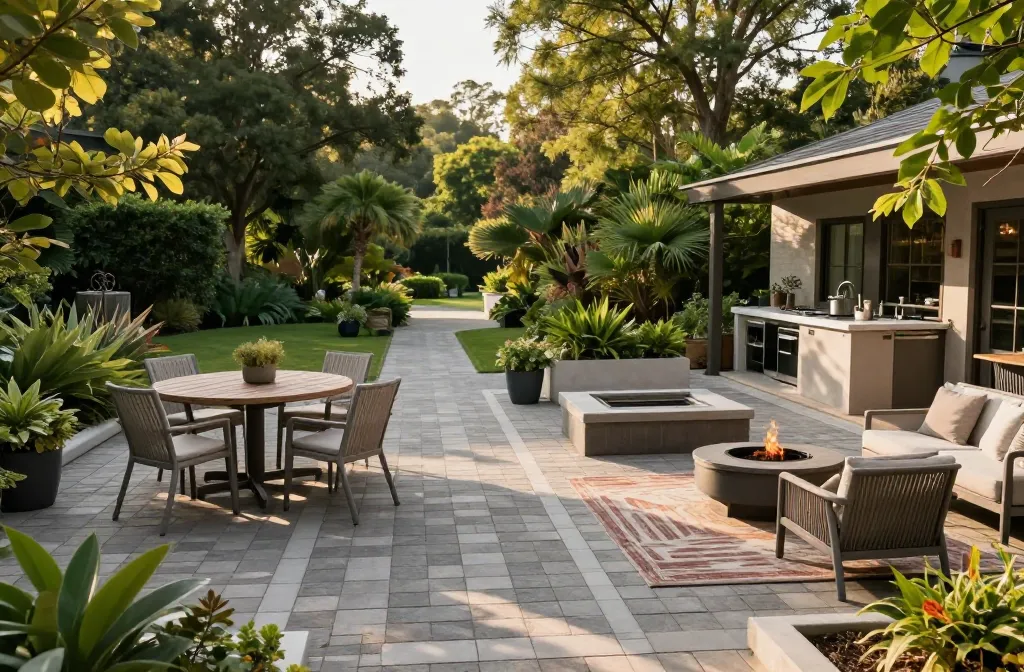
A cozy outdoor patio can transform your yard from shrug-worthy to show-stopper without blowing your budget. You don’t need a contractor or a resort budget to make it sing—just smart choices, a dash of patience, and a little DIY spirit. Let’s dive into 24 budget-friendly patio ideas and killer layout tips that will have your backyard looking like you hired a pro (but at half the price).
Smart Layout: How to Plan Before You Pave
Think of layout first, materials second. A great floor plan saves you money and headaches later.
– Map your zones: dining, lounging, and a cooking nook if you want. Keep traffic flow clear and avoid bottlenecks.
– Size matters: small patios benefit from open sightlines and multi-use furniture. Bigger spaces can handle defined seating areas without feeling thrown together.
– Visual tricks: use pathways to guide the eye and create distinct areas without walls. It’s like magic, but cheaper.
Seating flow and focal points
– Put the main seating around a natural focal point, like a fire pit, water feature, or a striking planter.
– Ensure chairs aren’t cramped. Leave at least 2 feet of walkway around the furniture for easy movement.
– An outdoor rug can anchor a seating cluster and add color without a full renovation.
Scale and alignment
– Use furniture scaled to your space. A big sectional on a small patio screams overcrowded.
– Align planters, grills, and seating along straight lines for a tidy, organized feel or mix in curves for softness.
Paver Ideas That Won’t Break the Bank
Pavers come in a rainbow of colors, textures, and price points. Here’s how to get the look you want without the sticker shock.
– Reclaimed brick or concrete pavers: they look luxe and you can often snag deals at salvage yards.
– Concrete stepping stones in a custom pattern: try laying them on a diagonal for drama without the premium price.
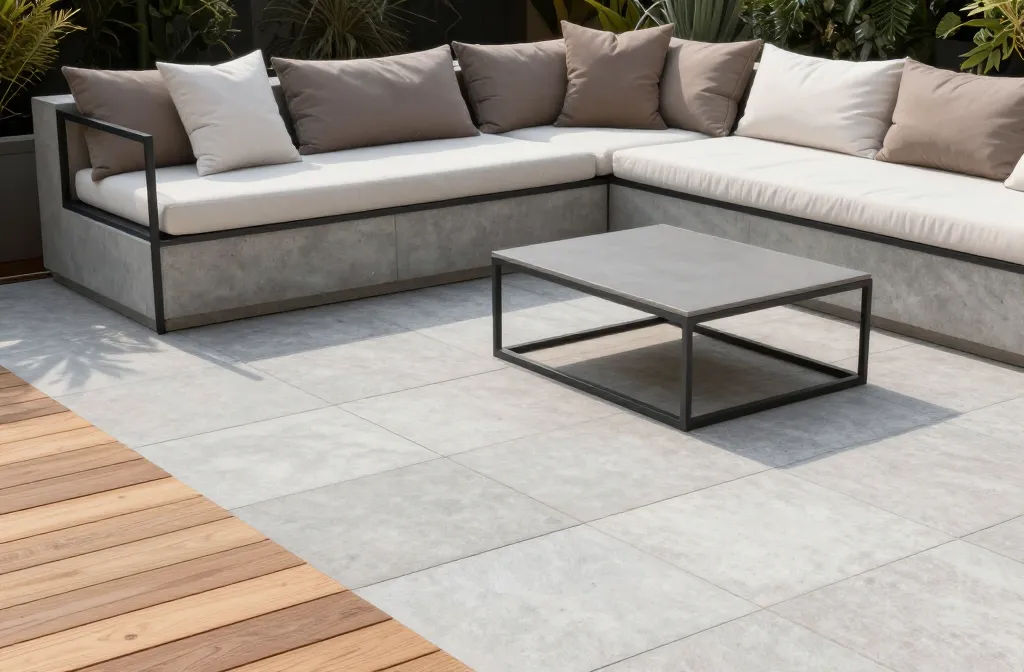
– Interlocking concrete pavers: durable, easy to replace, and DIY-friendly. Pick a neutral shade and add color with accessories.
– Gravel with edging: low-cost, high-impact, and super easy to install. You can mimic the look of a larger paved area with less material.
– Sand or grass joints: if you’re into a natural vibe, leave gaps and fill with sand, fine gravel, or ground cover.
Design tricks for big impact
– Create a faux patio with a staggered layout of inexpensive square pavers and fill the rest with gravel. It reads as intentional and airy.
– Alternate paver sizes to mimic a custom pattern. It looks sophisticated but costs less than a full designer job.
– Color story matters: choose one anchor color and two accent tones to keep things cohesive.
DIY-Friendly Install Ideas
Want to save even more? Do a portion yourself and hire out only the heavy lifting.
– Prep first: level the ground, remove weeds, and lay a weed barrier. Skipping this is a recipe for a wobbly patio and ongoing maintenance.
– Spreading out pavers: dry-set them with sand in between. Sweep and compact regularly to keep joints tight.
– Sealing: a simple sealant can extend life and refresh color year after year.
Budget-friendly installation steps
– Measure twice, cut once: plan your rectangle or square footprint precisely.
– Use a simple grid pattern for even layouts. It’s forgiving and easier to correct if you misalign one or two stones.
– Tool up: a rubber mallet, level, and a car jack can substitute for fancy equipment.
Low-Cuss, High-Impact Surface Options
You don’t need a pricey surface to look luxe. These options deliver big style on a small budget.
– Stamped concrete coatings: mimic stone, brick, or tile at a fraction of the cost. FYI, wear gloves when mixing!
– Paver alternatives: decorative concrete tiles or sliced bluestone slabs laid with compacted gravel.
– Wood deck accents: a simple strip of composite decking can frame your paver patio and add warmth.
– Gravel borders: upgrade a plain patio by adding a gravel border with contrasting edging for a crisp finish.
Color and texture tips
– Keep textures varied but colors cohesive to avoid a chaotic look.
– Use lighter colors to make small spaces feel bigger; go a shade darker for contrast in larger areas.
Smart Budget Décor: Furniture, Lighting, and Accessories
You don’t have to overspend to make it cozy. The right pieces pull the whole look together.
– Flexible seating: opt for a mix of a small dining set, a couple of lounge chairs, and a bench. It adapts to parties and quiet nights alike.
– Outdoor-friendly fabrics: weather-resistant cushions in your color story save you from buying new every season.
– String lights and lanterns: cheap, cheerful, and mood-enhancing after sunset.
– Planters with personality: a mix of tall planters and small pots adds height and depth. Use evergreen greens for year-round appeal.
Mulching and greenery on a budget
– Create height with tiered planters or stacked pots.
– Use inexpensive annuals for a pop of color that you rotate seasonally.
– Native plants cut watering costs and thrive with less fuss.
Lighting Magic Without the Massive Bill
Ambient lighting makes or breaks outdoor spaces once the sun goes down.
– Solar-powered options: easy install, no wiring, good for paths and small accents.
– String lights: hanging above a dining area can transform the mood instantly.
– Recessed step lights: subtle guidance for steps and edges.
Layered lighting approach
– Layer lighting using three levels: ambient (soft overhead), task (grill area), and accent (plants or art).
– Avoid glare by choosing warm-toned bulbs; aim for 2700–3000K.
Maintenance Hacks: Keeping It Fresh on a Budget
A little upkeep goes a long way with outdoor spaces.
– Sweep weekly, hose down monthly, seal every few years.
– Weed control: lay a weed barrier under pavers and re-sand joints every season.
– Jump-start quick refreshes: swap cushions and lanterns every year to keep the vibe fresh without a full redo.
Seasonal tweaking
– In spring, add a splash of color with planters and candles.
– In fall, switch to warmer textiles and a few pumpkin accents for whimsy.
FAQ
Can I install pavers myself, or should I hire a pro?
DIY is totally doable for many paver projects, especially simple patterns and small patios. If your space is irregular, you’ll save money hiring a pro for the layout and base preparation. FYI, proper base preparation is the difference between a patio that lasts 5 years and one that lasts 20.
What’s the cheapest way to create a patio look?
Gravel with edging or a budget-friendly concrete paver layout can give you a polished look without a huge price tag. Add color with outdoor rugs, cushions, and planters.
Which plants work best for low maintenance in patios?
Native perennials and grasses are your friends. They tolerate local conditions, require less water, and bring year-round structure. A couple of evergreen shrubs also help anchor the space.
How do I choose the right paver color?
Match with your home’s trim or roof for continuity. If your home is light, go with medium to dark tones for contrast. If your house is dark, lighter pavers can brighten the space.
How can I maximize storage in a small patio?
Choose furniture with built-in storage, like benches with concealed compartments, and use wall-mounted planters. Stackable stools and coffee tables that lift open for drawers help keep clutter away.
Conclusion
A gorgeous outdoor patio on a budget isn’t a unicorn. It’s a smart mix of layout savvy, affordable materials, and a few well-chosen finishes. Start with a solid plan, pick durable yet budget-friendly pavers, and layer in lighting, furniture, and greenery that punch above their weight. Before you know it, your backyard will be the spot everyone votes for first when the sun goes down. Ready to sketch your dream layout? IMO, the hard work will be worth it when you’re lounging under string lights with a cold drink in hand.